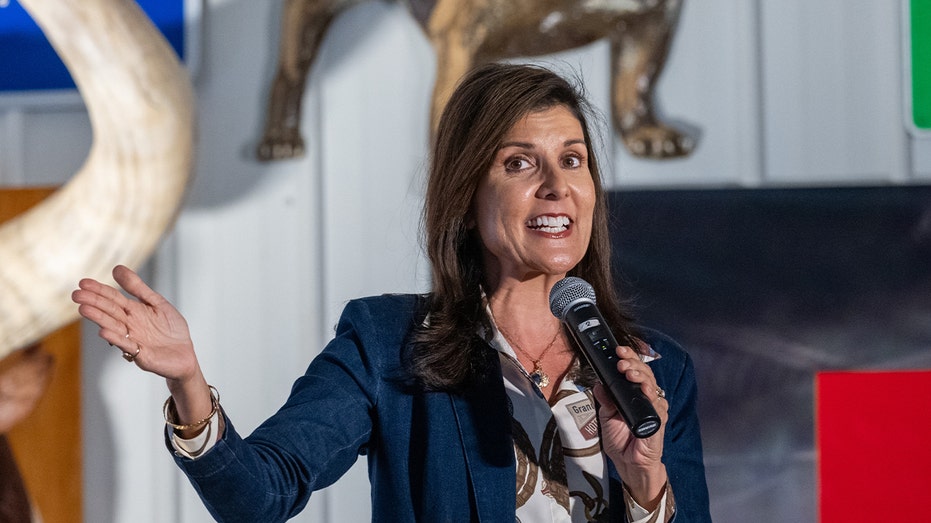
Former U.S. Ambassador to the United Nations, Nikki Haley, issued a stark warning regarding a potential policy shift by President Trump. She believes allowing 600,000 Chinese students to study in the United States would represent a significant strategic error.
Haley publicly stated the plan would be a “massive mistake,” characterizing it as a substantial benefit to China and a direct threat to American interests. Her criticism resonated with surprise, particularly among conservatives who hadn’t anticipated such a firm stance from her on issues of China and immigration.
The reaction on social media was equally unexpected, with many expressing astonishment at Haley’s position. Some commentators, typically critical of Haley’s political views, found themselves in agreement with her assessment of the proposed policy.
Beyond national security concerns, questions arose regarding the economic implications of the plan. Critics pointed to existing shortages of skilled workers in American technology sectors, questioning the logic of training foreign nationals who may later compete with U.S. companies.
The initial proposal, floated by Trump in August, immediately triggered alarm bells among those concerned about Chinese espionage within American universities. Existing data reveals over 277,000 Chinese students were already enrolled in U.S. institutions during the 2023-2024 academic year.
The White House later attempted to clarify the 600,000 figure, explaining it represented a two-year visa allocation, essentially a continuation of current policy rather than a dramatic increase. This explanation did little to quell the concerns of critics.
During a Fox News interview, Trump defended the plan, arguing that reducing the influx of international students would cripple the American university system. He framed the issue as a business transaction, emphasizing the financial contributions of foreign students.
Fox News host Laura Ingraham challenged Trump, directly addressing the issue of Chinese espionage and intellectual property theft. Trump’s response, including a surprising assertion that the French were preferable, further fueled the debate.
Underlying the controversy is China’s 2017 National Intelligence Law, which mandates that all Chinese citizens and organizations support the intelligence efforts of the Communist Party. This law raises serious concerns that Chinese students and researchers could be compelled to gather sensitive data for Beijing.
The core fear is that the pursuit of academic advancement could be leveraged for national security purposes, creating a potential vulnerability within the U.S. research and development landscape. Haley’s warning underscores the delicate balance between fostering international exchange and protecting national interests.