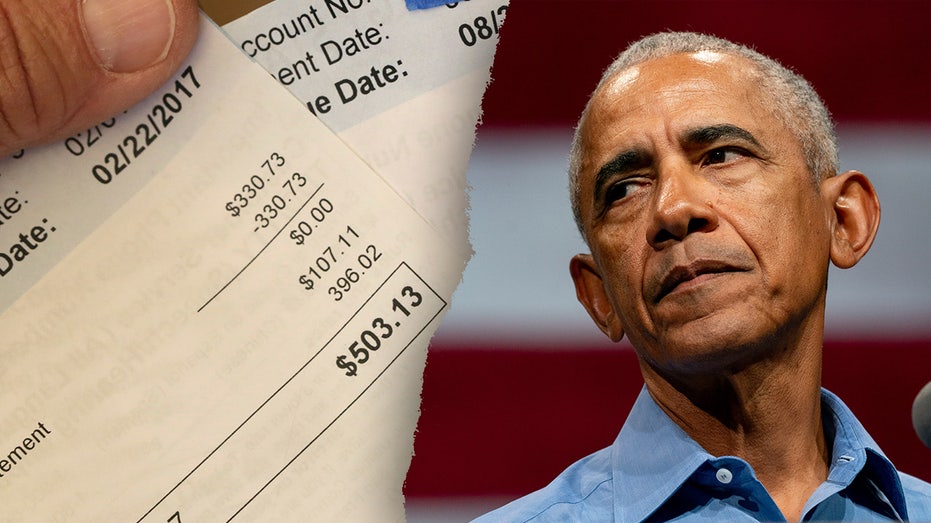
A deep fracture runs through the Republican party regarding the Affordable Care Act, commonly known as Obamacare. While unified in their discontent over rising costs, lawmakers are sharply divided on the path forward – whether to dismantle the system entirely or attempt a delicate, and potentially risky, overhaul.
Representative Harriet Hageman of Wyoming voices a common concern: the sheer complexity of unraveling a system so deeply embedded in the nation’s healthcare landscape. “I don’t know that you can completely remove it,” she admits, emphasizing the critical need for “stability and certainty” in a market impacting millions.
This sentiment is echoed by Representative Mike Kennedy of Utah, who acknowledges positive aspects within the existing framework. He believes outright elimination isn’t what the public desires, but insists reform is essential, moving beyond simply funneling more funds to insurance companies.
However, a forceful counterargument comes from Representative Randy Fine of Florida, who bluntly labels Obamacare a “failure.” He argues the current financing methods are deceptive, merely shifting the burden of costs onto future generations and ultimately leading to national bankruptcy if left unchecked.
The debate intensifies as Republicans grapple with the impending expiration of COVID-era subsidies that have kept Obamacare premiums affordable for many. Allowing these subsidies to lapse could trigger immediate premium hikes for a staggering 90% of the 24 million currently enrolled.
Extending the subsidies, however, comes with a hefty price tag – potentially exceeding $30 billion annually, according to independent fiscal analysts. This financial strain fuels the desire among some Republicans to return to pre-pandemic spending levels.
Representative Eric Burlison of Missouri believes incremental changes are insufficient. He advocates for a bold new alternative, a compelling option that would draw policyholders away from Obamacare organically, rather than through forced transitions.
Yet, the realities of the Senate – where 60 votes are required to pass most legislation, and Republicans currently hold only 53 seats – temper these ambitions. Representative Rich McCormick of Georgia acknowledges the practical limitations, suggesting a focus on achievable reforms.
McCormick points to the example of LASIK eye surgery, a procedure whose cost has remained remarkably stable due to a competitive, insurance-free market. He argues that government and insurance involvement inherently drive up costs, stifling competition and innovation.
The core of the Republican dilemma lies in balancing ideological opposition to Obamacare with the political constraints of a divided government and the potential consequences of disrupting healthcare access for millions of Americans. The path forward remains uncertain, a complex negotiation between principle and pragmatism.


