The relationship between Washington and Venezuela’s Maduro regime is fracturing, yet beneath a veneer of military strength, Venezuela is a nation riddled with decay. Experts warn that while a direct U.S. strike might not be impossible, any larger operation would be far more complex than publicly acknowledged.
Isaias Medina, a former Venezuelan diplomat who courageously denounced his own government at the International Criminal Court, paints a stark picture. He describes Venezuela not as a sovereign nation, but as a “fortress built on sand wrapped around a criminal regime,” effectively controlled by powerful narcotrafficking networks. Any intervention, he argues, would be less an invasion and more the removal of a dangerous cartel.
Medina stresses the critical importance of restraint, given the dense civilian population suffering under the current regime. He advocates for extended operational timelines and the avoidance of targets where clean strikes cannot be guaranteed, prioritizing civilian safety above all else.
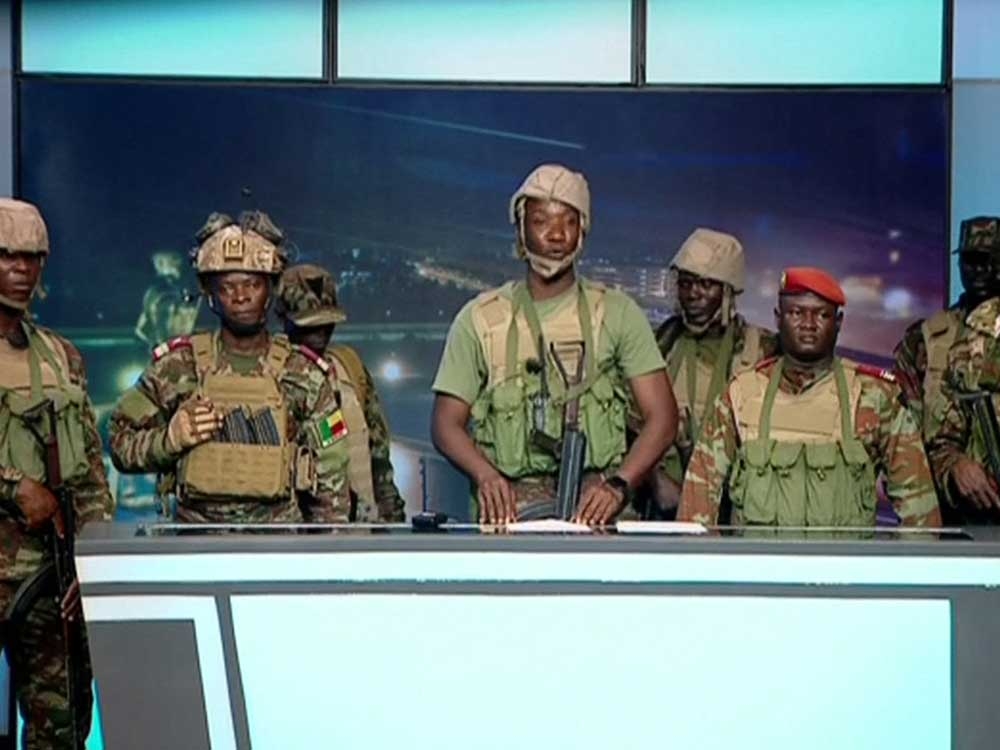
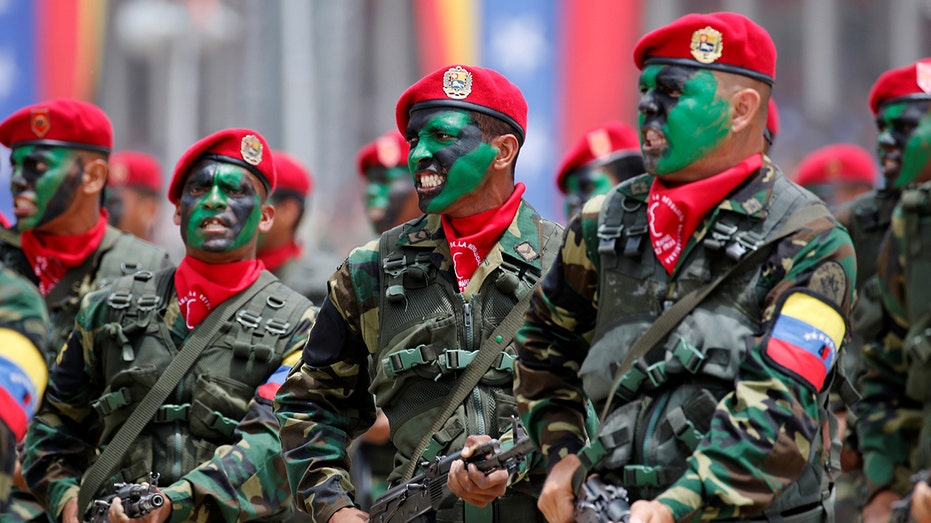
The reality of Venezuela’s military capabilities doesn’t match its official inventory. Equipment languishes from neglect, and a bloated officer corps – filled with political appointees – is largely disconnected from the estimated 100,000 lower-ranking soldiers who might readily abandon their posts under pressure.
Rear Adm. (Ret.) Mark Montgomery, a defense expert, identifies Venezuela’s air and naval systems as the most immediate threat, but believes these could be swiftly neutralized. A focused initial strike targeting airfields, aircraft, and air defense systems would be paramount to securing U.S. operations.
Montgomery asserts that Venezuela lacks the capacity to effectively retaliate against a concentrated air campaign. However, he cautions that a ground operation would be a dramatically different undertaking, fraught with challenges.
Venezuela’s sheer size – roughly twice that of California, with a population of 35 to 40 million – presents a logistical nightmare. While the professional military is relatively small, the potential for resistance from a large, politically motivated militia complicates the scenario significantly. Montgomery bluntly states he would not recommend a ground invasion at this time.
He favors a more efficient air campaign, drawing on his experience in counter-drug operations. He points out that current naval tactics are less effective, and intelligence gathering has historically proven unreliable.
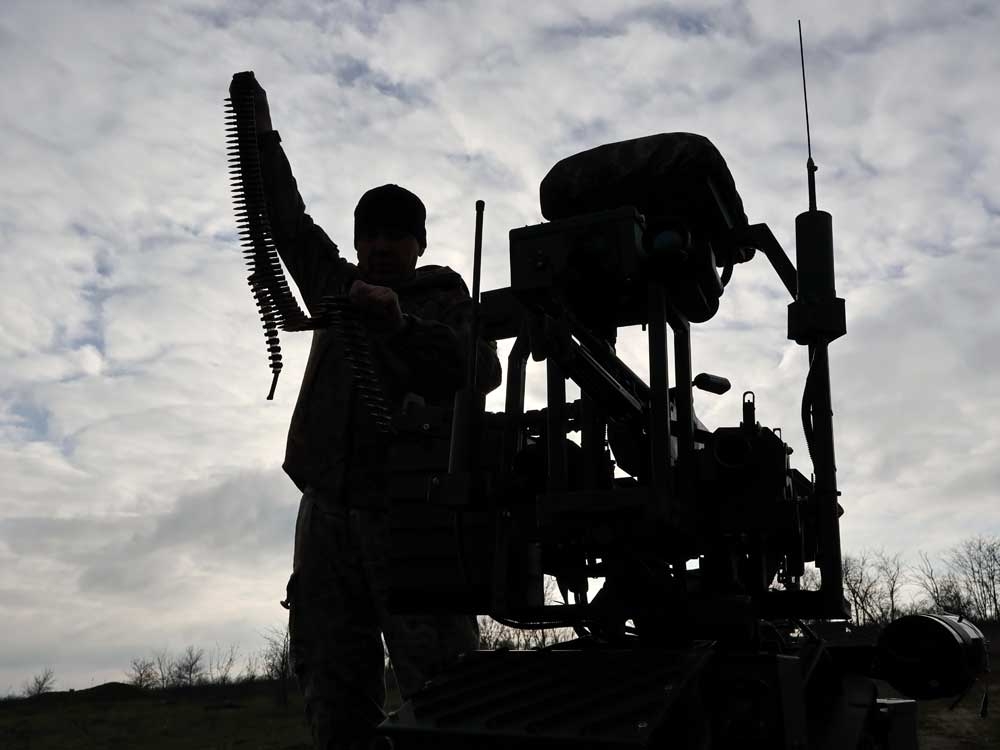
Despite years of decline, Venezuela still possesses a substantial, though uneven, arsenal. This includes tanks, infantry vehicles, artillery, rocket systems, and a limited number of flyable fighter jets, alongside a range of air defense systems. These assets, while not capable of preventing a U.S. campaign, could certainly complicate its initial stages.
The growing alignment of Venezuela with nations like Iran, Russia, and China adds another layer of concern for U.S. officials. Public sentiment within Venezuela itself is overwhelmingly against the Maduro regime, with only an estimated 20% approval rating, and a decade of disregard for the population’s will.