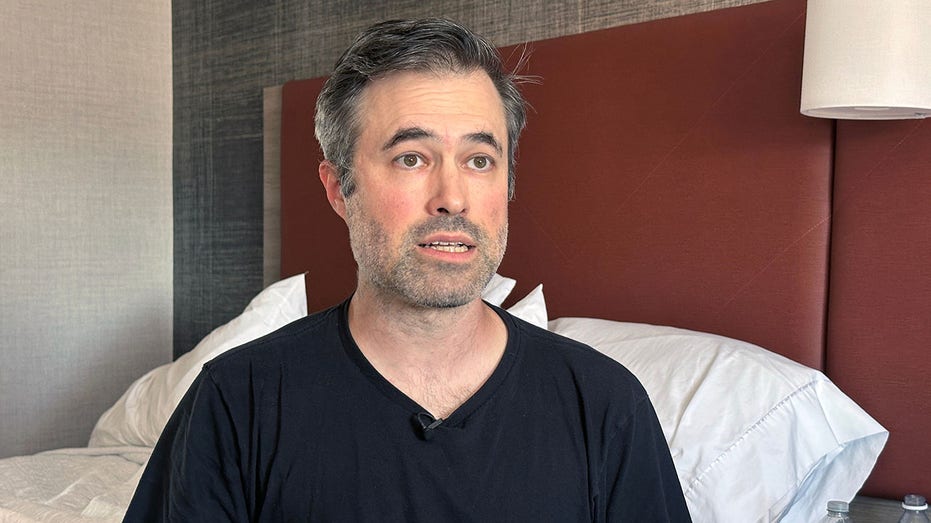
A professor once dubbed “Dr. Antifa” – a name born from intense controversy – is slated to lead a seminar on the history of communism next spring. The announcement, quietly posted by the Rutgers University history department, has reignited debate surrounding his scholarship and political affiliations.
Mark Bray became a focal point of national attention last year when a student-led petition demanded his removal from Rutgers. The uproar stemmed from his book, “Antifa: The Antifascist Handbook,” a work that explores the tactics and philosophy of militant anti-fascism.
The book itself became a source of contention, detailing how a portion of its royalties were directed to an international fund supporting anti-fascist groups. This sparked accusations that Bray was financially aiding an organization now labeled by the U.S. government as a domestic terror threat.
As the petition gained momentum and his connections to Antifa were widely publicized, Bray reported being “doxxed” – his personal information maliciously revealed online. He and his wife subsequently left the United States, relocating to Spain.
Ironically, “Antifa: The Antifascist Handbook” frames doxxing as a legitimate tactic in the fight against fascism, adding another layer of complexity to the situation. The professor continued teaching remotely from overseas as recently as October.
The upcoming communism seminar, limited to a small class of fifteen students, will require a significant research paper for credit. Rutgers history seminars are known for their intimate setting and rigorous academic demands.
Beyond communism, Bray is also scheduled to teach a seminar on “Fascism and Nazism” in March of next year. This course promises a deep dive into the historical roots, political ideologies, and enduring legacy of these movements.
The “Fascism and Nazism” seminar description highlights the analysis of Mussolini and Hitler’s regimes, the appeal of their authoritarianism, and the continuing influence of their ideologies on modern white supremacist groups. It suggests a critical examination of a dark chapter in history.
Neither the university nor Professor Bray have publicly addressed the renewed attention surrounding his course offerings. The announcement remains a quiet item on the history department’s schedule, yet it carries the weight of a complex and highly charged past.
The selection of Bray to teach these courses raises questions about academic freedom, the responsibility of educators, and the boundaries of acceptable discourse within a university setting. It’s a situation that continues to provoke strong reactions and thoughtful debate.