A wave of frustration is building among Toronto commuters as the newly launched Finch West LRT – Line 6 – fails to deliver on its promise of rapid transit. Riders are reporting shockingly slow travel times, with journeys stretching to nearly an hour for a line just over ten kilometers long.
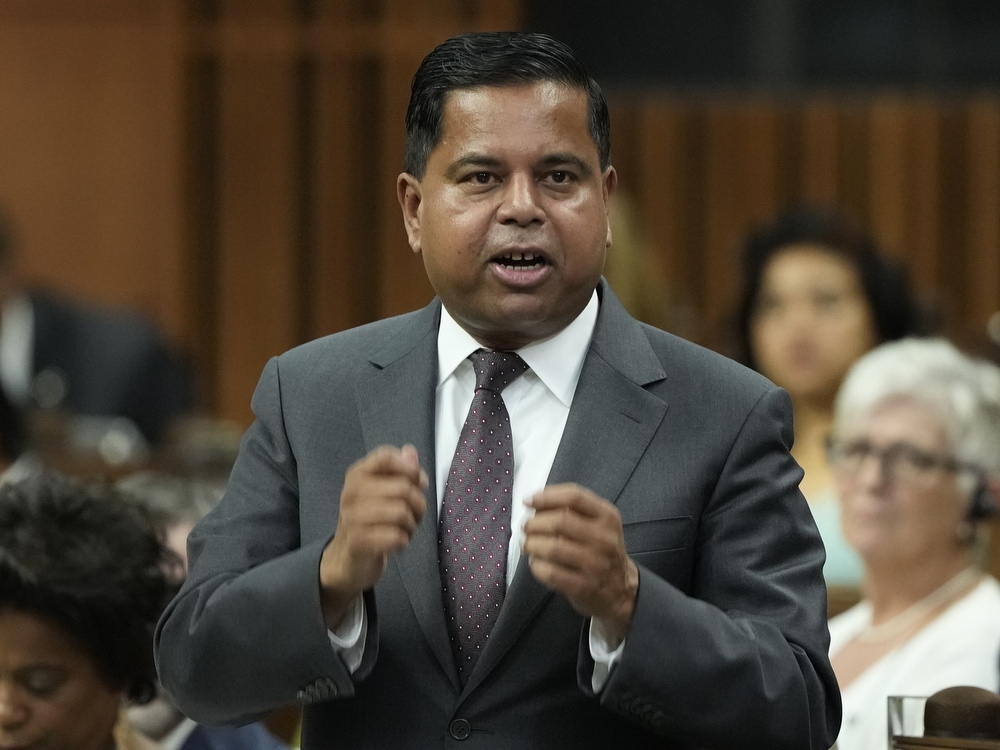
City Councillor and TTC Chairman Jamaal Myers has acknowledged the complaints, stating unequivocally that the current performance is unacceptable. “Rapid transit must be rapid,” he emphasized, warning that slow service will drive riders back to their cars, negating the billions invested in the system.
Myers is bringing forward two key motions to the TTC board, demanding immediate action. These include exploring transit signal priority, increasing service frequency, and a critical review of policies that unnecessarily limit LRT speeds on both Line 6 and the still-unopened Line 5 (Eglinton LRT).
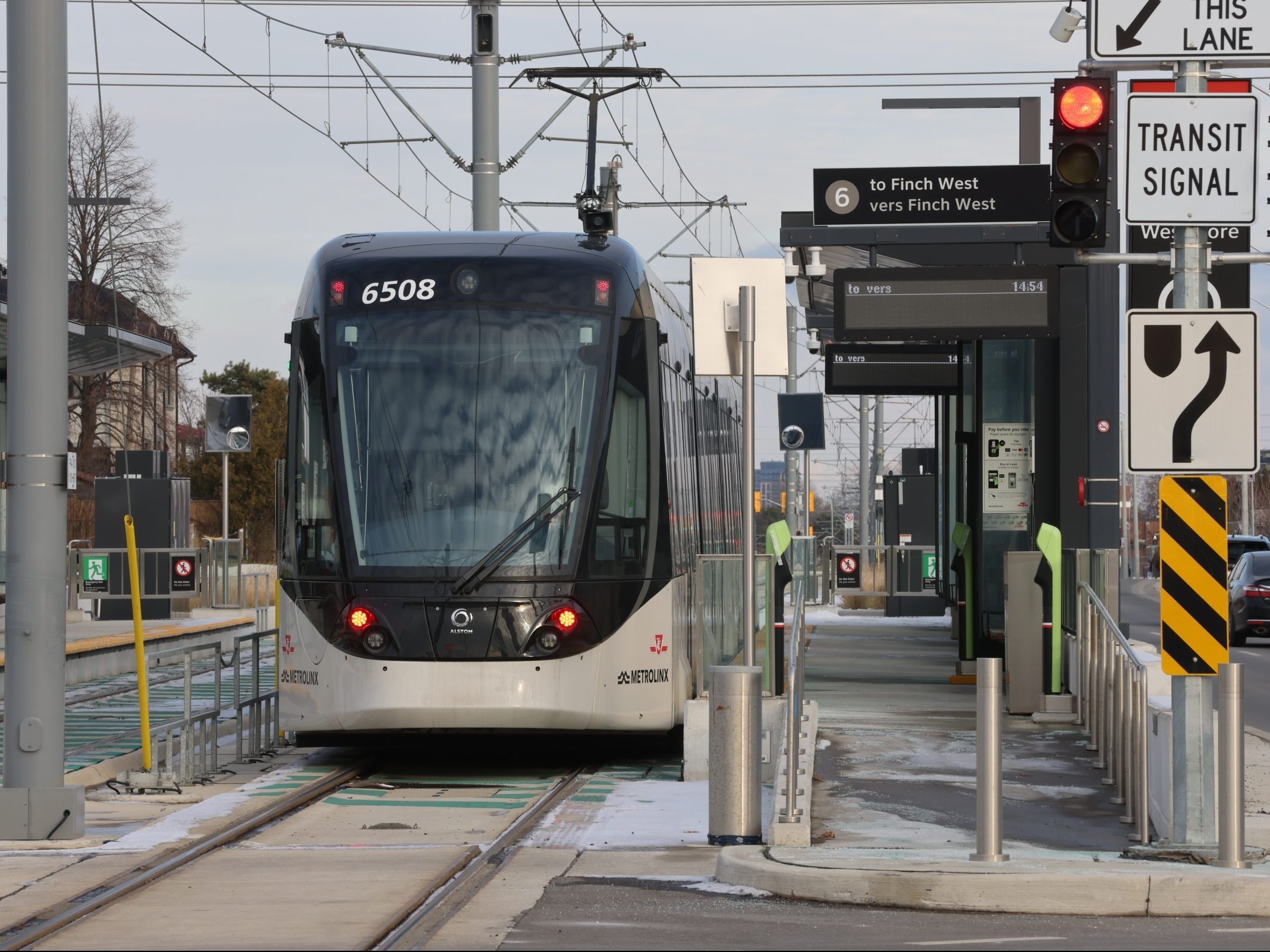
The issue isn’t limited to the new Finch line. A recent TTC review revealed a startling truth: Toronto’s streetcars are the slowest in the world. Myers insists that addressing this doesn’t require massive construction projects, but rather a shift in political will and a commitment to streamlining operations.
The potential impact is significant. With an estimated 50,000 daily riders and 230,000 residents within walking distance of Line 6, a functional LRT is crucial for easing congestion in northwest Toronto. The current delays threaten to undermine the entire purpose of the investment.
Mayor Olivia Chow has also weighed in, confirming she’s heard the concerns and intends to work with the TTC board and council to accelerate service. She acknowledged firsthand that the train “can be faster” and is committed to finding solutions.
Initial projections from Metrolinx estimated a 34-minute end-to-end trip, while the TTC later revised that to 46 minutes during rush hour. However, reports from riders and media outlets indicate actual travel times are consistently exceeding even the TTC’s revised estimates, with buses frequently overtaking the LRT.
While questions are being raised about why these issues weren’t addressed before the launch, the focus now is on swift resolution. Myers stressed a collaborative approach, stating, “We’re not pointing fingers. We’re not blaming anyone.” The hope is that improvements made on Line 6 will serve as a blueprint for a smoother launch of Line 5.
The situation highlights a critical need for proactive planning and a relentless pursuit of efficiency in Toronto’s public transit system. The success of these LRT lines, and the future of public transit in the city, hinges on delivering the speed and reliability that riders deserve.