For Jolene Van Alstine, a mother from Saskatchewan, a desperate situation took an unexpected turn – a lifeline extended in the eleventh hour. But now, a race against time has begun, pitting the hope of life-saving surgery in the United States against the grim reality of medically assisted death in Canada.
Jolene prefers a chance at life, a sentiment ignited by an extraordinary offer of help. A prominent voice stepped forward, offering to cover the costs of travel and treatment if a U.S. surgeon could take her case. It was a beacon of hope, yet shadowed by uncertainty.
Wednesday brought a wave of conflicting news. A specialist in Atlanta determined the surgery was beyond his capabilities, a crushing setback. However, a glimmer of possibility emerged with a referral to a clinic in Florida, a place known for tackling complex medical challenges.
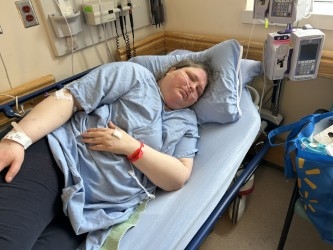
Despite the logistical hurdles, Jolene expressed profound gratitude for the unexpected support. “It’s an amazing offer, and I can’t believe someone would do that,” she shared from her hospital bed, her voice filled with emotion. The prospect of regaining her life felt within reach.
For eight agonizing years, Jolene’s life has been consumed by illness and hospital visits, leaving her unable to care for herself. Constant, debilitating pain stemming from a rare parathyroid condition – normocalcemic primary hyperparathyroidism – has ravaged her body, causing relentless vomiting and excruciating bone discomfort.
Driven to the brink, she applied for Canada’s MAID (Medical Assistance in Dying) program, seeking an end to her suffering. But the offer of surgery has rekindled a desperate hope, a chance to avoid that final path. Yet, she acknowledges the harsh reality: if the surgery falls through, she will proceed with MAID, unable to endure the relentless pain any longer.
Currently hospitalized due to bowel issues, Jolene spent six months in the hospital last year battling compounding health problems and infections. Her partner, Miles Sundeen, is working tirelessly with the assisting team, navigating the complex path toward potential treatment.
The focus now rests on the Norman Parathyroid Center near Tampa, Florida. The crucial questions remain: will they accept her case, and can they offer the surgery at no cost? The couple also faces the immediate challenge of obtaining passports quickly enough to facilitate travel.
This extraordinary turn of events began with a social media post, a response to Jolene’s public plea for help. The offer to cover medical expenses was a spontaneous act of compassion, a lifeline thrown to a woman facing unimaginable hardship. The Tampa clinic was a place they had previously considered, but lacked the necessary referral from an endocrinologist.
Jolene’s story highlights a deeper issue – the frustrating barriers to accessing timely and adequate medical care. It raises the question of why it requires the intervention of a public figure to ensure a Canadian citizen receives the treatment they desperately need.
Amidst the flurry of activity, a poignant irony emerged. Jolene learned that her approved date for the MAID process might not be finalized, potentially requiring her to restart the application. She clings to the hope that this will become unnecessary, thanks to the unexpected offer of a second chance.