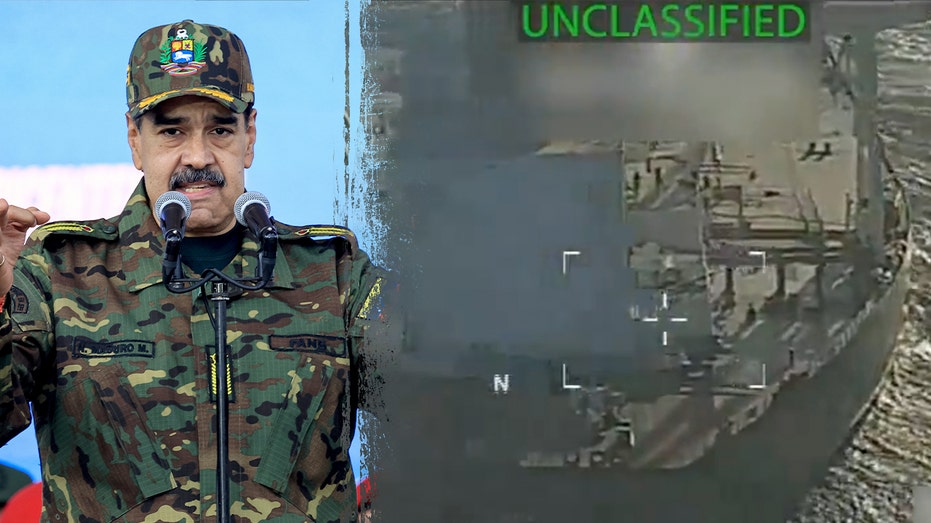
A dramatic confrontation unfolded off the Venezuelan coast this week, escalating tensions between Venezuela and the United States. The core of the dispute: the seizure of a massive oil tanker by U.S. forces, an action Venezuela has vehemently denounced as outright piracy.
The Venezuelan government issued a scathing statement, characterizing the seizure as a “blatant theft” orchestrated by the U.S. President himself. Officials framed the event not as a law enforcement action, but as a calculated assault on Venezuela’s sovereignty and its right to control its own natural resources.
Details emerged of a coordinated operation involving the FBI, Homeland Security Investigations, and the Coast Guard, bolstered by support from the Department of Defense. The target was a crude oil tanker allegedly involved in a clandestine network funneling oil from Venezuela and Iran, a network the U.S. claims supports foreign terrorist organizations.
Authorities released compelling video footage of the operation, depicting a helicopter descending upon the tanker, followed by tactical teams rappelling onto the deck. The precision and scale of the operation underscored the seriousness with which the U.S. viewed the alleged illicit activity.
The announcement of the seizure came directly from a former President, who described the tanker as “very large, the largest one ever seized actually.” He hinted at further actions to come, promising more details would be revealed soon.
The question of the seized oil’s fate quickly arose, prompting a direct response. The former President stated, with striking directness, that the United States would “keep it,” effectively claiming the oil as a consequence of the seizure.
This seizure represents a significant escalation in the ongoing economic and political pressure campaign against Venezuela. It raises complex questions about international law, maritime rights, and the limits of unilateral action in pursuing sanctions enforcement.
The incident is likely to further strain already fragile relations between the two nations, potentially triggering a wider diplomatic fallout and raising concerns about stability in the region. The implications of this bold move are far-reaching and remain to be seen.