A new legislative proposal, the SHIELD Act, is poised to dramatically reshape the relationship between federal immigration enforcement and local authorities. The bill directly responds to escalating tensions and recent declarations from some Democratic leaders who have vowed to actively impede federal immigration operations.
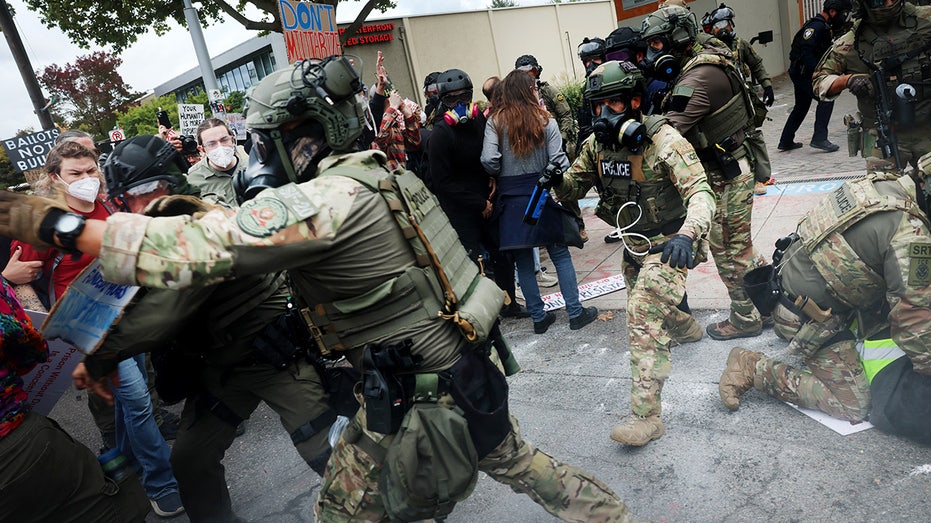
The core of the conflict centers on the authority to intervene during immigration enforcement. Some cities and states are exploring legal avenues to detain federal agents, a move that proponents argue protects the rights of residents, while critics denounce as a direct challenge to constitutional order.
Chicago recently established “ICE-Free Zones,” citing concerns over the agency’s tactics and alleged violations of residents’ rights. Simultaneously, California lawmakers have openly discussed the possibility of prosecuting federal agents deemed to be overstepping legal boundaries during immigration enforcement activities.
The SHIELD Act proposes a stark consequence for such interference: the complete loss of federal funding for any jurisdiction that arrests, detains, prosecutes, or obstructs a federal immigration officer – even a single instance. This financial pressure aims to deter local opposition and reinforce federal authority.
The bill’s sponsor argues that obstructing federal officers is not merely a disagreement over policy, but a fundamental abandonment of constitutional principles and a catalyst for illegal immigration. He contends that those who aid individuals unlawfully present in the country are actively undermining national security.
This isn’t the first attempt to address sanctuary city policies. Previous efforts by the Trump administration to withhold funding from jurisdictions limiting cooperation with federal immigration authorities were blocked by the courts, specifically by a judge who ruled against the executive action.
However, legal experts believe the SHIELD Act, as a new law passed by Congress, would fare significantly better in court. The Supreme Court has previously upheld the federal government’s power to attach conditions to funding, citing the power of the purse as a legitimate tool for influencing state behavior – a precedent set with the national drinking age.
The proposed legislation would require the Justice Department to restore funding only after a municipality formally halts obstructive behavior and provides written assurance of future compliance. This creates a clear pathway for regaining federal assistance, contingent on a shift in local policy.
The debate highlights a deep ideological divide over immigration enforcement and the balance of power between federal and local governments. The SHIELD Act represents a decisive move to assert federal authority and potentially reshape the landscape of immigration policy across the nation.
The implications of this bill extend beyond financial penalties. It raises fundamental questions about the limits of local autonomy and the extent to which states and cities can resist federal immigration policies, setting the stage for a potentially protracted legal and political battle.