The quiet Ivy League campus of Brown University is reeling. A Saturday afternoon shooting shattered the sense of security, leaving two students dead and nine injured. As investigators piece together the events, a critical question hangs in the air: where was the leadership responsible for protecting this community?
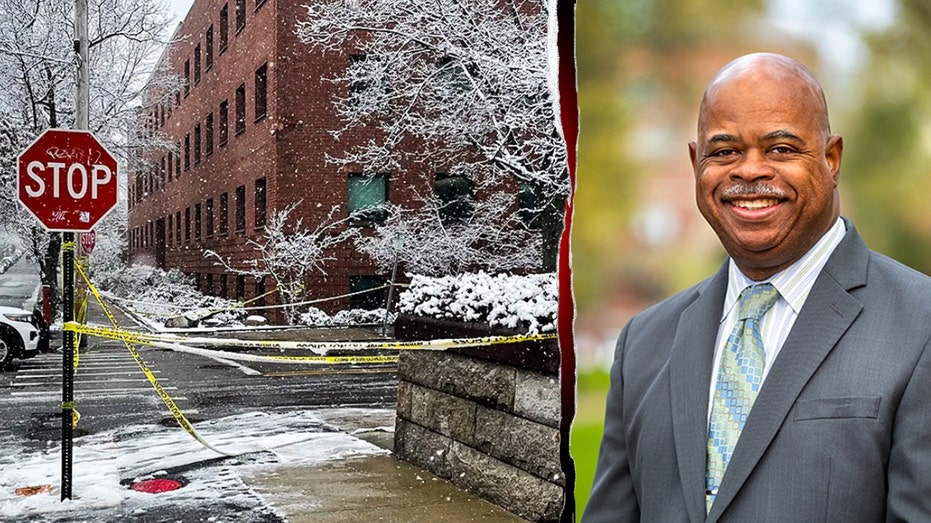
Rodney Chatman, Brown’s Vice President for Public Safety and Emergency Management, has remained largely unseen and unheard in the wake of the tragedy. His career trajectory paints a picture of a rapidly ascending administrator, beginning as a police officer at the University of Cincinnati in 2005 and progressing through leadership roles at the Universities of Dayton and Utah.
Chatman’s time at the University of Utah was not without turbulence. He faced accusations – later deemed unfounded – of improperly carrying a firearm before being fully authorized as a police officer in the state, leading to a six-month leave of absence. He also reportedly encountered resistance while attempting to implement policing reforms.
Even before the shooting, concerns about Chatman’s leadership were brewing. Just months ago, both the Brown University Security Patrolperson’s Association and the University Police Sergeants Union issued votes of “no confidence,” citing “deep concern” over the direction of the Department of Public Safety.
The shooting itself has ignited a debate about security protocols at Brown. Questions are being raised about the shooter’s access to the building and the conspicuous absence of security cameras that could have aided in identification and potentially prevented the attack.
Chatman’s initial response focused on a technical detail: the campus sirens failed to activate due to the speed of the event. This explanation has done little to quell the growing unease and demands for accountability.
A closer look reveals a significant emphasis on diversity, equity, and inclusion initiatives within Brown’s campus safety department under Chatman’s leadership. His hiring was explicitly linked to his ability to advance these values alongside traditional safety measures.
The department actively celebrated its female officers on International Women’s Day, and Chatman himself encouraged fellow campus police leaders to downplay displays of force, suggesting they could create anxiety within the community. He advocated for showcasing “compassion and engagement.”
Brown DPS also prioritized listening sessions with students, aiming to foster open dialogue about police-community relations and campus safety. A Diversity & Inclusion Action Plan was launched in 2016, with ongoing efforts to build a more representative and culturally competent department.
Workshops were conducted on LGBTQ+ sensitivity and cultural competency, and the department prominently features a diversity statement emphasizing its commitment to serving a diverse community. The stated goal was to build trust and address racial injustice.
However, some observers argue that this focus on DEI came at the expense of core security functions. The tragic outcome has fueled criticism that prioritizing social initiatives over traditional safety measures created a vulnerability that ultimately cost lives.
The identities of those lost – Ella Cook of Alabama and Mukhammad Aziz Umurzokov, an Uzbek national living in Virginia – serve as a stark reminder of the human cost of this failure. As the investigation continues, the community demands answers and a renewed commitment to ensuring the safety of all students.
Chatman has not yet publicly addressed the mounting criticism or offered further explanation regarding the events leading up to the shooting. The silence amplifies the questions and underscores the urgent need for transparency and accountability.