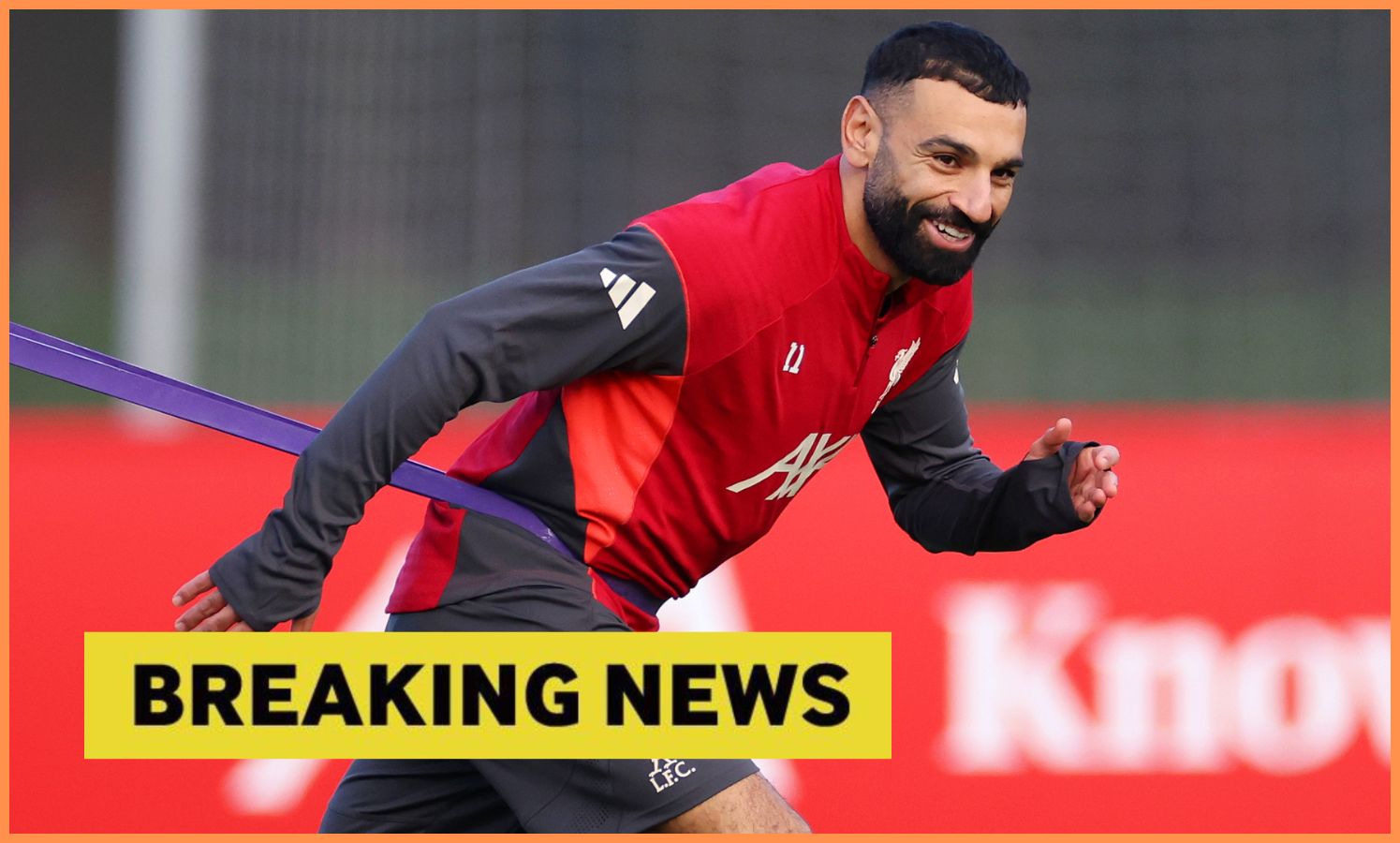
The simmering tension surrounding Mohamed Salah’s recent benching has ignited a fiery debate, with former Manchester United stalwart Gary Neville adding fuel to the flames. Neville unequivocally stated that Salah’s frustration is entirely justified, a sentiment echoing through the stands and across social media.
Neville didn’t mince words, asserting that a player of Salah’s caliber simply won’t accept being sidelined in favor of those he perceives as less capable. He specifically referenced Cody Gakpo, suggesting Salah wouldn’t passively observe a player he considers inferior taking his place on the pitch.
The core of the issue isn’t Gakpo’s effort, but rather a perceived disparity in quality. While Gakpo has been a consistent presence in Arne Slot’s starting eleven, his performances have drawn considerable criticism from both pundits and supporters alike.

Many question whether Gakpo consistently warrants a starting role, especially given Salah’s proven track record and undeniable impact. The situation highlights a potential clash between managerial strategy and the expectations of a superstar player.
Salah’s recent appearance against Brighton, culminating in a crucial assist, offered a glimpse of his enduring quality. It served as a potent reminder of what Liverpool risks losing if this dispute remains unresolved.
Throughout his Premier League career, Salah has consistently demonstrated his status as a world-class talent, instrumental in Liverpool’s remarkable trophy haul. He’s not merely a goalscorer; he’s a catalyst, a game-changer, and a symbol of Liverpool’s recent success.

The club now faces a critical juncture. Resolving the differences between Salah and the manager is paramount, not just for the player’s personal satisfaction, but for Liverpool’s ambitions. A fully engaged and motivated Salah is essential if they hope to contend for major honors.
Ultimately, Liverpool’s season hinges on harnessing the full potential of its star players. Reintegrating Salah into a harmonious and productive relationship with the manager is no longer just a personnel issue – it’s a strategic imperative.