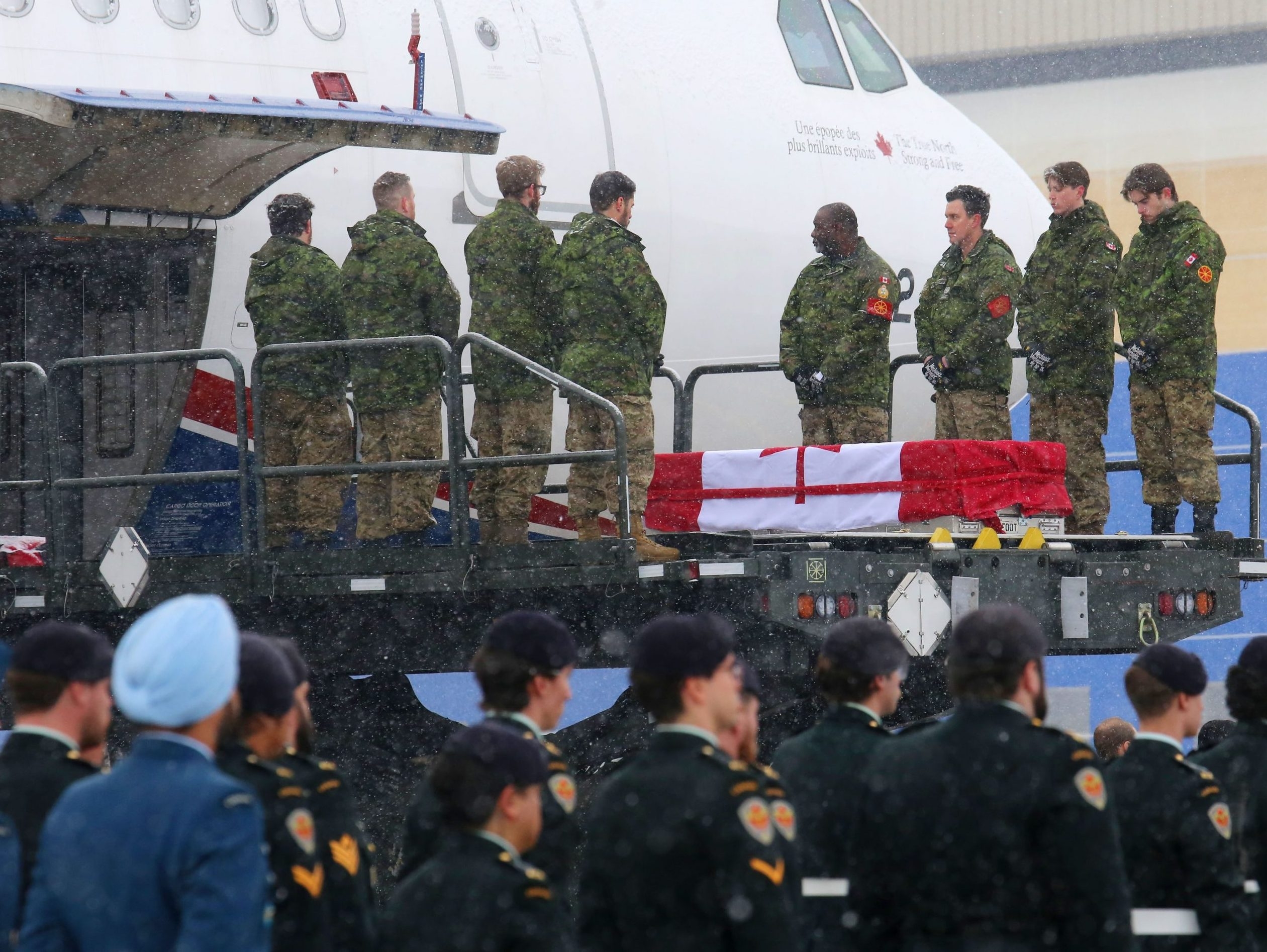
The snow fell in heavy sheets, mirroring the grief that gripped the nation. It’s a burden unlike any other, bringing home a soldier who gave everything for Canada, a sacrifice felt deeply on that frigid February day along the Highway of Heroes.
A shared understanding united everyone standing vigil: a need to convey to Gunner Sebastian Halmagean’s family that their sorrow was not theirs alone, and that his service would never be forgotten. The repatriation ceremony was a powerful, visible expression of that collective sentiment.
Mark Silver, a retired master corporal who served in Syria decades ago, stood among the crowd. He recognized the ache, the resurfacing memories of friends lost. “You don’t forget this stuff,” he said, his voice thick with emotion. “So many dreams unfulfilled, so much life cut short.”
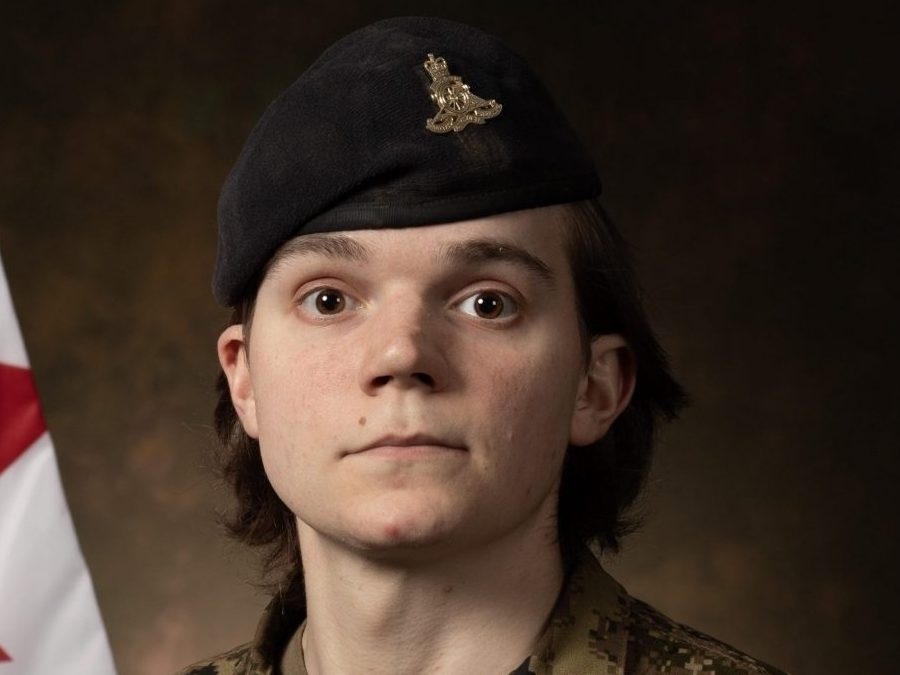
He came to honor the 24-year-old from Hamilton, a young man who, by all accounts, lived and breathed the life of a soldier. Silver spoke of a profound connection between those who serve, a bond that transcends time and circumstance. It’s a brotherhood forged in shared experience and sacrifice.
Beyond individual grief, the outpouring of support spoke to a deeper truth: when a Canadian soldier falls, the entire country mourns. The tribute wasn’t for *how* he died, but for *how* he lived – a life dedicated to protecting the freedoms enjoyed by all.
The Highway of Heroes has become the focal point for this collective expression of sorrow and gratitude. It’s a place where ordinary Canadians can stand shoulder to shoulder, sharing the weight of loss while celebrating the courage of those who serve.
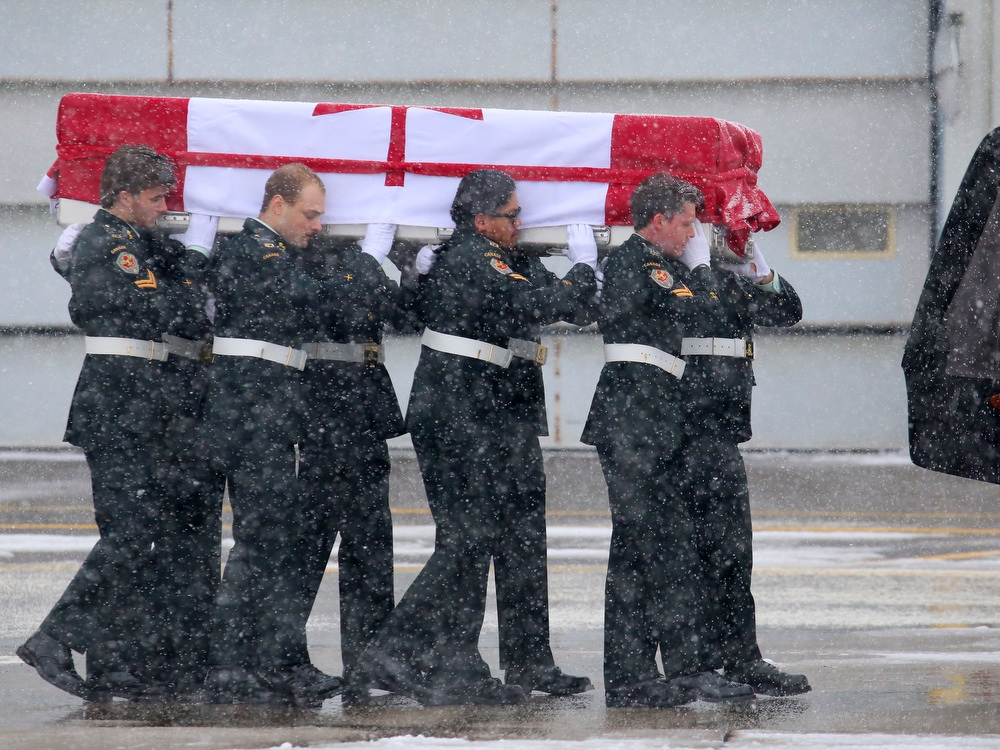
Unofficially recognized in 2006, and formally named a year later, the highway’s origins were organic, born from the first repatriations from Afghanistan. It became a tradition, a shared ritual documented and celebrated by journalists and musicians alike, woven into the fabric of Canadian culture.
More than just a road, the Highway of Heroes is meant to offer solace to a grieving family. It’s a tangible demonstration of national empathy, a way for Canada to whisper, “We care. We share your tears.”
Halmagean’s family witnessed the packed overpasses, heard the heartfelt cheers. The presence of first responders, like the twelve Port Hope firefighters and three trucks offering a silent salute, underscored the depth of respect. For some, it was their first repatriation; for others, a solemn continuation of a decades-long tradition.
Port Hope Fire Chief Jason Williams, who has attended countless ceremonies, acknowledged the enduring pain. “It’s never easy,” he said, “no matter how many of these events you attend.”
Halmagean’s death resonated deeply, arriving at a time when Canadian identity and patriotism are being fiercely examined. People lined the streets, not just to mourn, but to reaffirm their respect for those who defend the nation’s sovereignty.
They stood on bridges from Trenton to Toronto, and outside the Centre for Forensic Sciences, sending a clear message to the family following the hearse: you are not alone in your grief. Sebastian Halmagean was not alone in his service.