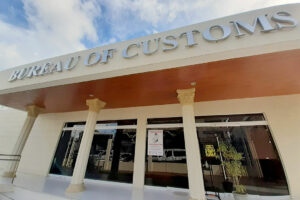
A new wave of companies will soon experience significantly faster trade processing within the Philippines, thanks to the Bureau of Customs’ recent accreditation of eleven firms for its Authorized Economic Operator (AEO) program. This initiative promises streamlined clearances for businesses demonstrating robust compliance and security measures.
Among those recognized are household names like Sony Philippines, Coca-Cola Europacific, and Toyota Motor Philippines, alongside Brother Industries and Aboitiz Philippines. These companies represent a diverse range of industries poised to benefit from the program’s advantages.
The AEO program isn’t a purely local effort; it’s built upon the framework established by the World Customs Organization, aiming to bolster both security and efficiency in international trade. Accreditation signifies a commitment to global standards and facilitates smoother movement of goods across borders.
The benefits for accredited firms are substantial. They include waivers on accreditation renewals, access to dedicated processing lanes, and the opportunity for advance clearance procedures. Expedited customs clearance for exports is also a key advantage, reducing delays and costs.
However, the program’s rollout occurs against a backdrop of ongoing concerns regarding transparency and efficiency within the Bureau of Customs. Recent reports highlight persistent challenges faced by businesses navigating the country’s trade regulations.
The US State Department’s Investment Climate Statements recently identified the Bureau of Customs as one of the Philippines’ most vulnerable agencies to corruption. American firms have reported instances of overly intrusive inspections and unpredictable fees.
Further illustrating these difficulties, a survey conducted by the European Chamber of Commerce of the Philippines revealed a mixed perception of customs procedures. While 18% of members found them efficient, a significant 34% considered them burdensome and in need of substantial improvement.
The AEO program represents a clear attempt to address these issues by rewarding compliant businesses with preferential treatment. Whether it will fundamentally shift the overall landscape of customs operations remains to be seen, but the initiative signals a desire for modernization and increased trust.