Cuba is facing a deepening crisis, prompting a revised travel advisory from officials. Widespread shortages of essential goods – food, medicine, water, electricity, and fuel – are creating an unpredictable environment for both residents and visitors.
The advisory highlights the potential for sudden disruptions, particularly with air travel. Flight availability can change with little notice, leaving travelers stranded or facing significant delays. The overall risk level is currently categorized as “exercise a high degree of caution.”
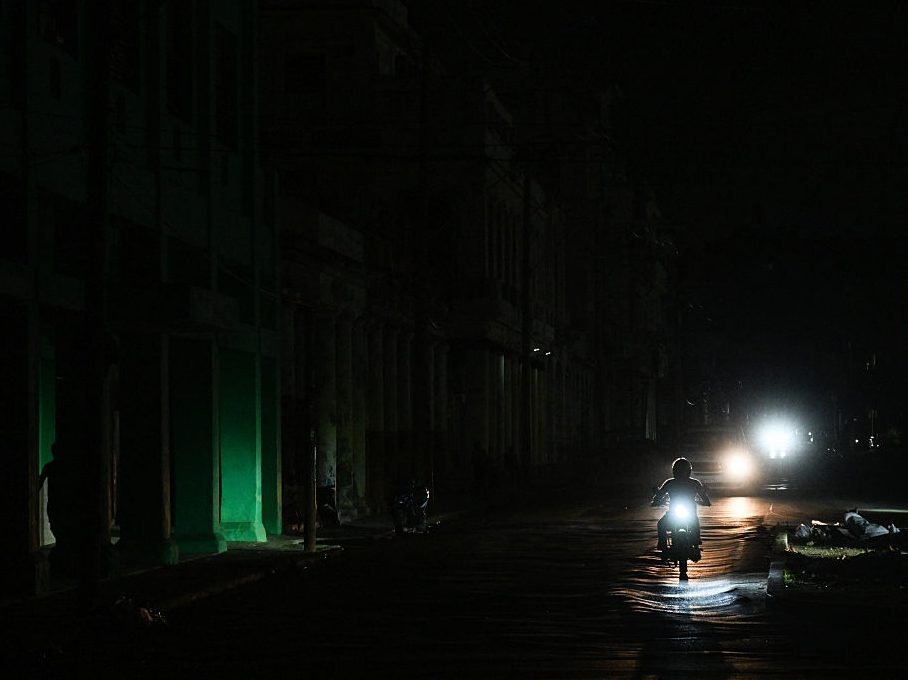
Rolling blackouts are now a daily reality, often lasting for hours and sometimes extending beyond a full day across the nation. While many tourist resorts rely on generators, even these are threatened by the dwindling fuel supply, impacting basic comforts like air conditioning and refrigeration.

These shortages extend beyond power, creating challenges for food availability. Restaurants and resorts are experiencing difficulties maintaining consistent supplies, and the risk of food spoilage due to power outages is increasing.
The situation isn’t limited to inconveniences; it’s a shortage of “basic necessities.” Access to food, bottled water, reliable public water sources, vital medications, and even hard currency is becoming increasingly difficult for everyone on the island.
Travelers are now strongly advised to be self-sufficient. Bringing essential medications, toiletries, and a personal supply of water and non-perishable food is highly recommended. A comprehensive emergency kit is considered invaluable.
Adding to the concerns, a new health notice warns of an unusual surge in cases of the Oropouche virus disease (OVD) throughout the Americas, with Cuba and Panama specifically identified as areas of concern. This virus, spread by midges and mosquitoes, is appearing in regions where it hasn’t been seen before.
Symptoms of OVD, appearing 3-8 days after a bite, include high fever, severe headache, and debilitating muscle and joint pain. While most people recover, the illness can lead to serious complications like meningitis and hemorrhaging. Critically, there is currently no treatment or vaccine available – only symptom management.
Despite these challenges, Cuba remains a popular destination for Canadian travelers, particularly during the winter months. The appeal lies in a combination of affordability and the island’s renowned beaches.
Before traveling, it’s crucial to stay informed. Monitoring local news, ensuring devices are fully charged, carrying emergency supplies, and securing comprehensive travel insurance are now essential preparations for any trip to Cuba.