Toronto’s city council has paused decisions on the controversial “iceberg homes” – luxury residences with expansive, hidden basements – opting for further study of their potential impact.
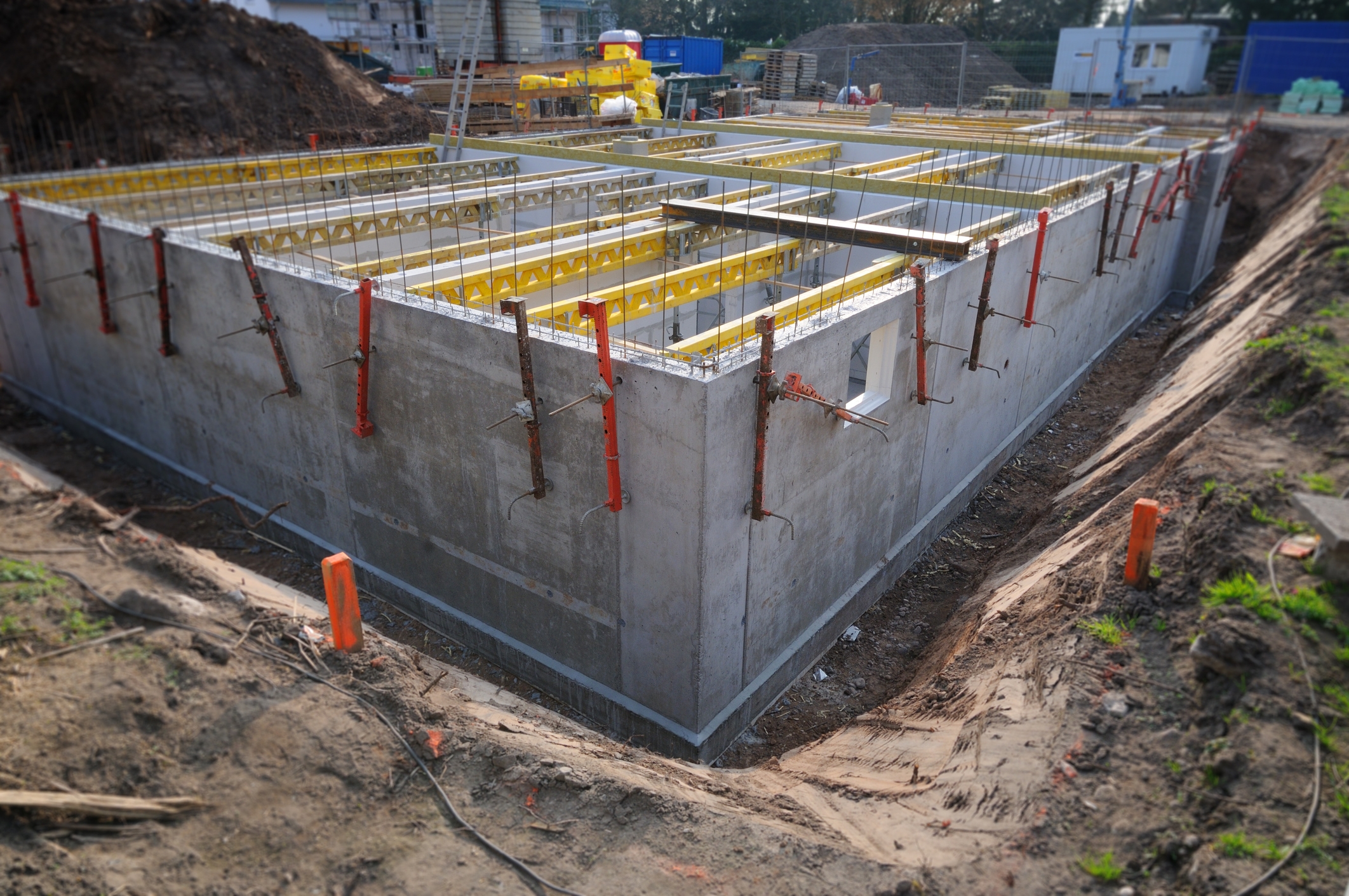
These homes, characterized by basements far larger than their visible structure suggests, have raised concerns about environmental disruption, specifically affecting plant life and natural water flow patterns beneath the city.
The debate, however, has broadened beyond just iceberg homes, now encompassing regulations around trees, swimming pools, and even permeable surfaces used for parking, creating a complex web of considerations for city planners.
Councillor Gord Perks described the initial focus on iceberg homes as having “grown into trees and pools, and stars and fields and rocks and rainbows,” highlighting the expanding scope of the discussion.
One key question revolves around balancing the desire to preserve Toronto’s tree canopy with the practicalities of modern home construction and the needs of residents.
Architects working on these projects argue that iceberg basements offer a discreet way to add living space, blending more seamlessly into established neighbourhoods than upward extensions.

They point to established construction techniques, borrowed from large-scale condo developments, that can mitigate environmental concerns by rerouting water and supporting plant growth.
However, residents living near these construction sites tell a different story, describing the process as disruptive and even damaging to the local environment, citing instances of mature trees being felled during excavation.
The debate over swimming pool restrictions stems from the city’s push to encourage more tree growth in residential backyards, a goal that has met with resistance from the pool and hot tub industry.
Toronto isn’t alone in grappling with this trend; London experienced a similar surge in mega-basements among the wealthy, but ultimately moved to restrict their construction due to concerns and public outcry.
These expansive underground spaces are often used for amenities like indoor pools, home theaters, or even basketball courts, representing a significant investment and lifestyle choice for homeowners.
The council’s decision to defer further study passed without a formal recorded vote, suggesting broad agreement on the need for more information before implementing new regulations.
The discussion took place during a special one-day session ahead of upcoming budget deliberations, underscoring the city’s ongoing efforts to balance development with environmental sustainability and quality of life for its residents.
The future of iceberg homes in Toronto remains uncertain, pending the planners’ report and further debate within city council.