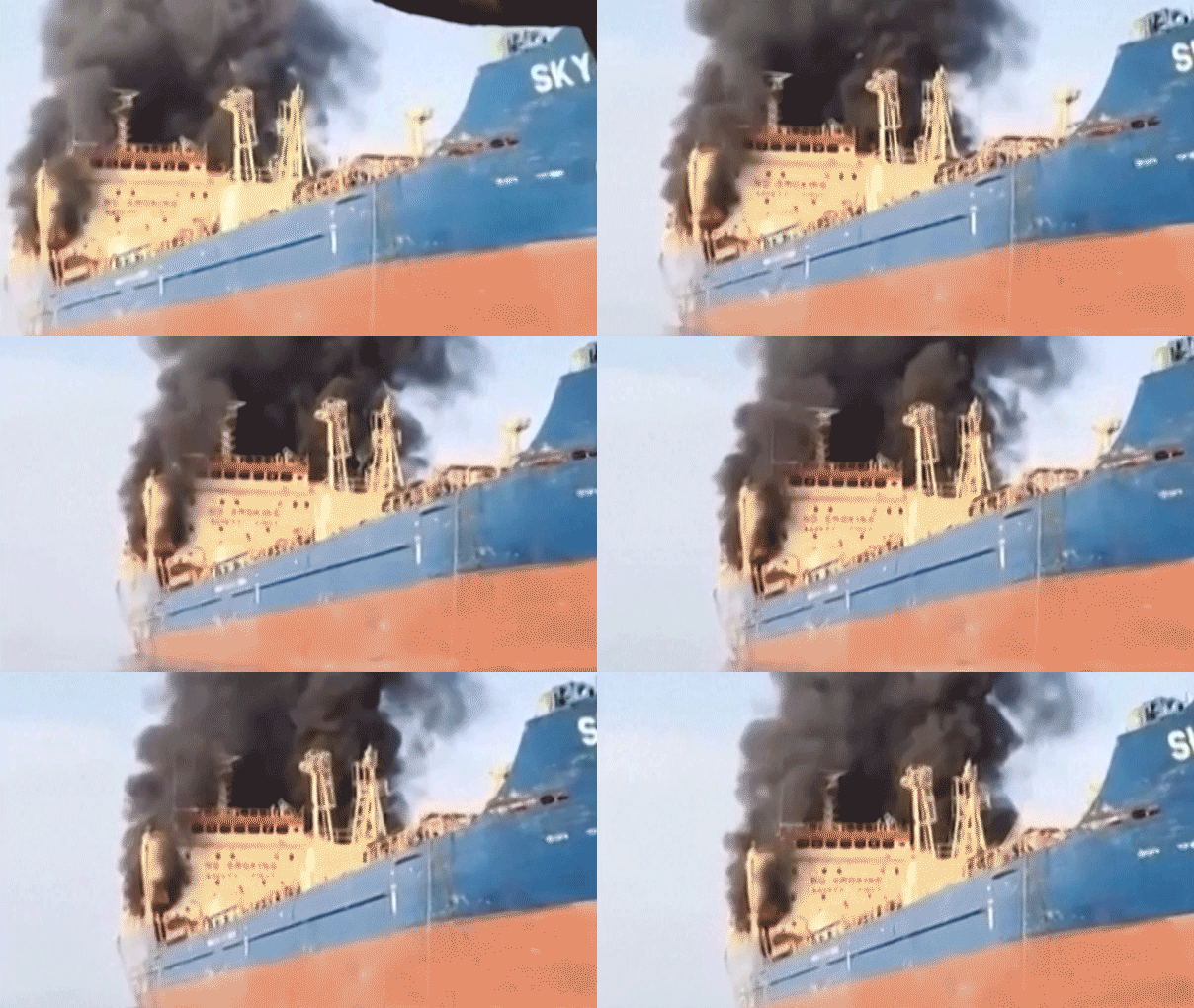
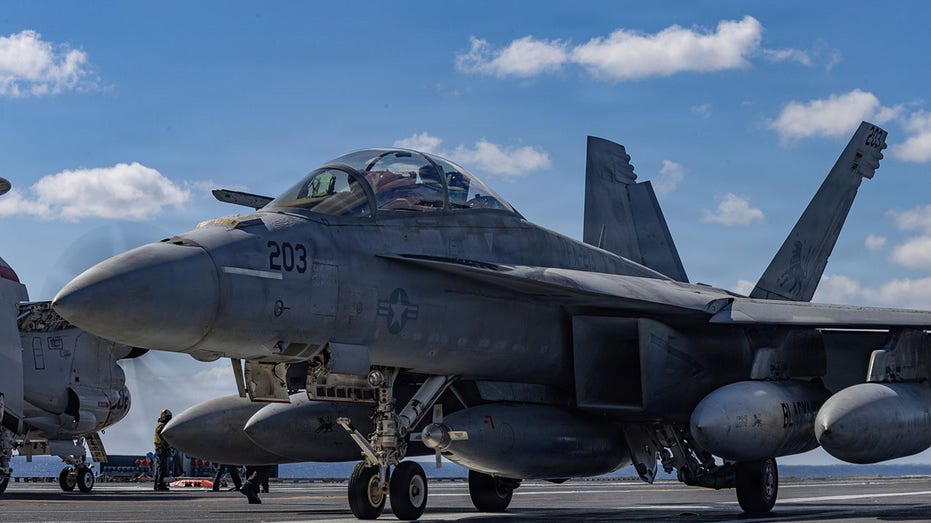
The skies over the Middle East have become a zone of intense conflict, forcing a major airline to ground all flights to and from Tel Aviv and Dubai. The decision, announced Monday, comes as a direct response to escalating hostilities and a rapidly expanding regional war.
The conflict ignited with attacks launched by the United States and Israel against Iran on Saturday, quickly spiraling into a broader confrontation. Retaliatory strikes from Iran haven’t been limited to Israel; targets in Cyprus, Kuwait, and the United Arab Emirates – including key airport infrastructure in Dubai and Abu Dhabi – have also been hit.
Air Canada initially suspended flights until March 22nd, with a tentative plan to resume service on March 23rd. However, the airline stressed that this schedule remains fluid, subject to constant monitoring of the volatile situation on the ground.
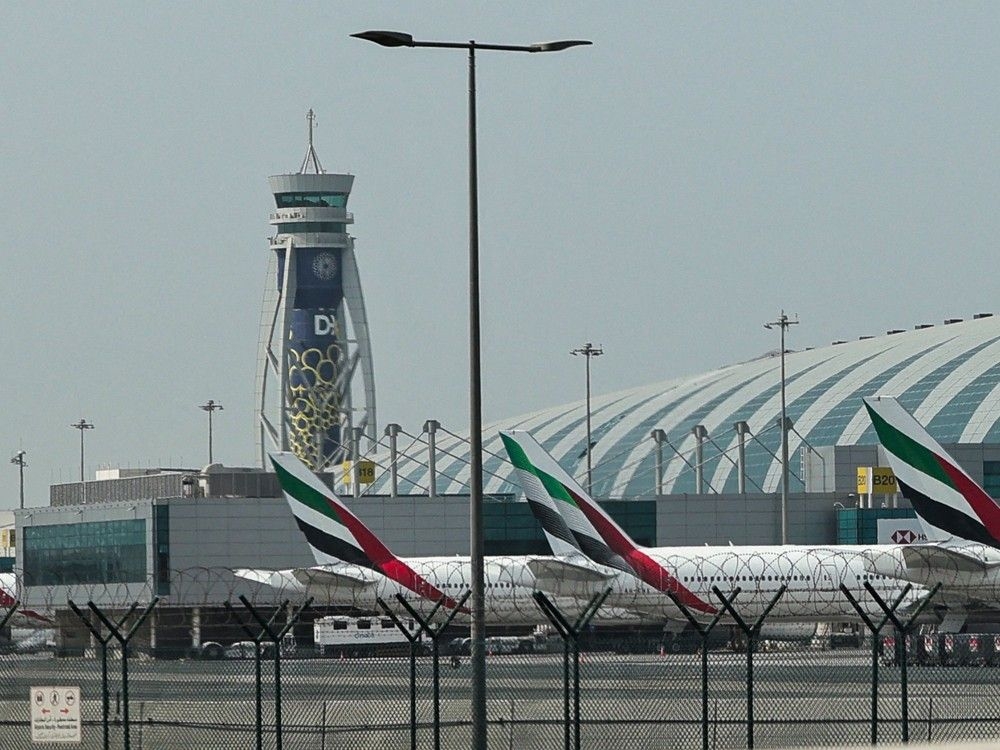
Beyond the cancelled routes to Tel Aviv and Dubai, the airline is offering flexibility to passengers with travel plans involving several other cities in the region. Those with flights scheduled to or from Abu Dhabi, Amman, Beirut, Dammam, and Erbil before March 15th are now permitted to change or cancel their trips without penalty.
The Canadian government has issued stark travel advisories, urging citizens to avoid all travel to Bahrain, Iraq, Israel, Palestine, Kuwait, Lebanon, Qatar, and the UAE. Non-essential travel to Jordan, Oman, and Saudi Arabia is also strongly discouraged.
As Canadians attempt to navigate the crisis and potentially return home, the federal government’s registration website has been overwhelmed. Reports indicate significant technical difficulties due to an unprecedented surge in registration attempts, highlighting the growing concern among citizens abroad.
The situation remains incredibly dynamic, with the potential for further escalation. The focus now is on the safety of civilians and the urgent need for de-escalation in a region teetering on the brink.