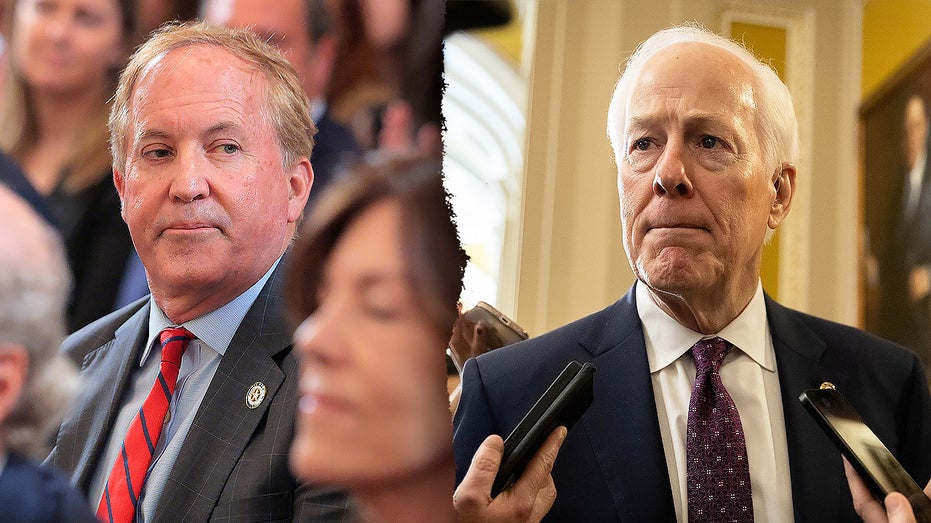
The Texas Senate primary is heating up, but a surprising common ground unites two of its most prominent contenders: unwavering support for President Trump’s recent decision regarding Iran. Attorney General Ken Paxton and Senator John Cornyn are both actively leveraging their established relationship with the former president as they compete for the Republican nomination.
The stakes are high in this crowded primary, with all eyes focused on the dynamic between Paxton and Cornyn. Both are keenly aware of the value of a Trump endorsement in the final weeks of the campaign, and their public statements reflect a consistent alignment with his policies.
Paxton, speaking at his final campaign event, defended Operation Epic Fury, asserting that Trump “did the right thing.” He emphasized a sentiment he heard repeatedly from voters: a desire to avoid prolonged foreign entanglements.
However, Paxton also articulated a stark rationale for the action. He argued that a nation actively pursuing nuclear weapons, with a history of supporting terrorism, presents an unacceptable threat that demands a decisive response, lest the conflict eventually reach American shores.
Senator Cornyn witnessed the decision-making process firsthand. He was aboard Air Force One when President Trump authorized the operation while traveling to Texas to discuss energy policy.
According to Cornyn, Trump directly sought the support of the congressional delegation present on the flight. He recounted a moment of gravity, where every member of Congress in the cabin unanimously raised their hands in affirmation, acknowledging the immense weight of the decision resting solely with the Commander in Chief.
In Washington, the strike has ignited debate, with lawmakers from both parties calling for a reevaluation of presidential war powers. Both Paxton and Cornyn expressed openness to discussing these concerns.
Cornyn framed the debate as a fundamental choice: standing with American peace and security, or risking a nuclear-armed Iran. He believes this is the core issue at stake.
The duration of U.S. involvement remains uncertain. While President Trump initially indicated continued operations “until all of our objectives are achieved,” he later suggested a potential timeline of “four weeks or less.”
Some Democrats have drawn parallels to past interventions, with Senator Andy Kim comparing the strike to the decisions made by former President George W. Bush in the Middle East decades ago.
Paxton, however, distinguished Trump’s approach from that of his predecessor. He believes Trump is focused on a targeted operation, avoiding the large-scale nation-building efforts seen in the past.
Paxton expressed confidence that Trump’s goal is to neutralize immediate threats, while empowering the Iranian people to reclaim their country. The focus, he stated, is on removing “the bad guys” and allowing Iran to determine its own future.