A contentious debate erupted on Capitol Hill as a new national defense strategy came under intense scrutiny. Lawmakers questioned whether the plan adequately addressed the evolving global landscape, particularly concerning the balance of responsibility between the United States and its European allies.
The core of the disagreement centers on a proposed shift in priorities, aiming to concentrate U.S. resources on defending the homeland and deterring China, while simultaneously urging European nations to take greater ownership of their own conventional defense against threats like Russia. This approach, officials argue, isn’t about abandoning allies, but rather a return to a more equitable distribution of security burdens.
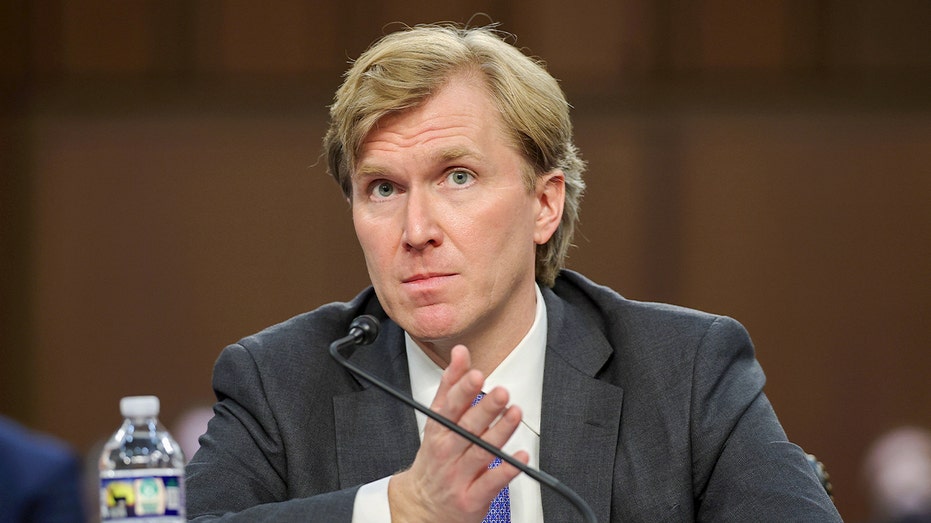
Undersecretary of War for Policy Elbridge Colby defended the strategy, characterizing it as a move towards a “Cold War mentality” – one where alliances meant genuine shared responsibility. He emphasized the significant military capabilities possessed by European nations, suggesting they are “substantially more powerful than Russia” and capable of leading the defense of their continent.
However, key senators voiced strong reservations. Concerns were raised that delegating the “Russia problem” to European allies was unrealistic and potentially dangerous, given the complexities of the current geopolitical situation. The argument posited that a complete withdrawal of U.S. focus from Europe would be a critical misstep.
The proposed strategy, dubbed “NATO 3.0,” envisions a future where wealthier European allies take the primary role in conventional defense within Europe, receiving “critical but limited support” from the United States. This model aims to allow the U.S. to concentrate its resources on challenges deemed more directly relevant to its national security.
Critics countered that this approach risks creating a security vacuum and potentially emboldening adversaries. They argued that the U.S. has a vital national security interest in maintaining a robust presence and active role in European security, and that simply shifting responsibility isn’t a viable solution.
Colby insisted the plan wasn’t about abdication, but about “realistic and prudent” resource allocation. He highlighted the need to acknowledge the “ability and will” of allies and partners to address regional challenges, echoing a historical precedent of burden-sharing that characterized alliances during the Cold War era.
The debate underscores a fundamental question about the future of transatlantic security: how to best balance the need for collective defense with the realities of a changing global power dynamic and the imperative to address emerging threats in other critical regions. The discussion revealed deep divisions on how to navigate this complex landscape.
The strategy also acknowledges the growing sophistication of Russia’s military capabilities, particularly in the realms of nuclear weapons, space, and cyber warfare. This recognition fuels the argument for a focused U.S. approach, prioritizing resources to counter these evolving threats.
Ultimately, the proposed National Defense Strategy represents a significant recalibration of U.S. foreign policy, one that seeks to redefine the terms of engagement with allies and adversaries alike. The coming months will likely see continued debate as lawmakers grapple with the implications of this ambitious plan.