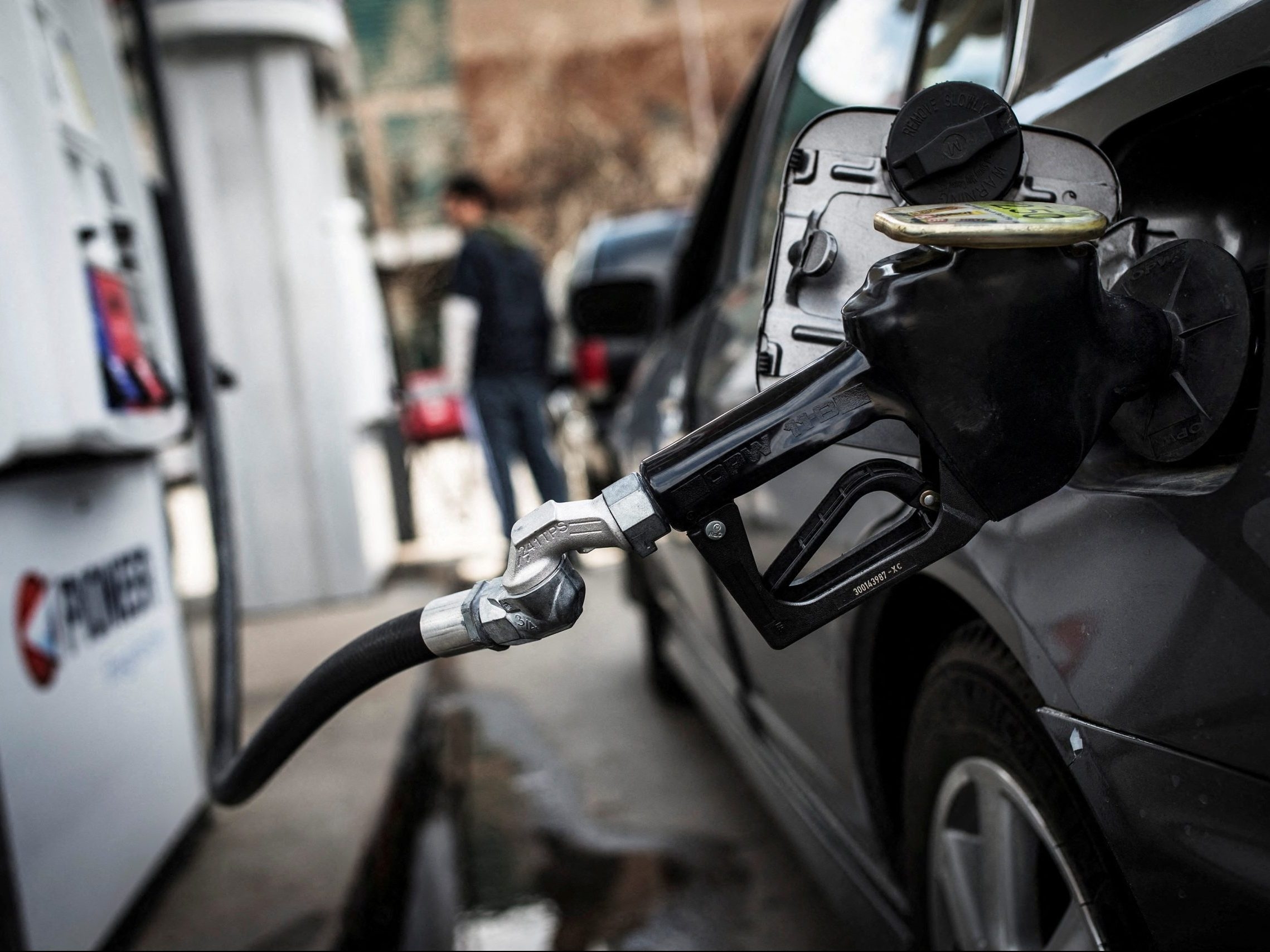
A painful shock is hitting drivers across the Greater Toronto Area. Prepare for a significant surge at the gas pumps, with prices poised to jump six cents a litre overnight, reaching an average of 143.9 cents. But this is only the beginning.
Another six-cent increase is forecast for Thursday, pushing the price to a staggering 149.9 cents a litre. This rapid escalation isn’t just a local issue; it’s a warning sign of broader economic pressures building on the horizon.
However, the real alarm bells are ringing for diesel users. A massive 13-cent-a-litre increase is expected Wednesday, followed by another potential 12 to 13 cents on Thursday. This isn’t simply about the cost of filling up a truck; it’s about the ripple effect on everything we buy.
The impending diesel price hike is causing serious concern, as it directly impacts the cost of transporting goods, manufacturing, and ultimately, the price of nearly every product and service. It’s the fuel that keeps the world moving, and its price is now spiraling.
The crisis stems from escalating tensions in the Strait of Hormuz, a critical waterway for global oil tankers. Disruptions to supply, coupled with threats to refineries in the region, are creating a dangerous instability in the energy market.
While international conflicts often lead to a stronger Canadian dollar – as demand for our oil increases – a surprising trend is unfolding. Canada’s ability to capitalize on this situation is severely hampered by internal constraints.
The blockage of vital pipeline projects and restrictive emissions policies are preventing Canada from fully participating in the global energy market. The Canadian dollar is weakening, losing value as the world seeks reliable energy sources elsewhere.
This situation is a stark contrast to the past. Previously, a surge in global oil prices would be partially offset by a strengthening Canadian dollar, shielding consumers from the full impact. That protective buffer has now vanished.
Canada, once poised to be a solution to global energy demands, is now sidelined, a consequence of policies that prioritize restrictions over production. This shift is directly translating into higher costs for everyday Canadians.
The immediate future remains uncertain, with gas prices fluctuating based on developments in the Middle East. But one thing is clear: tampering with energy availability and reliability has far-reaching and devastating consequences for affordability.