A deep fissure runs through the American electorate regarding recent military actions against Iran, despite widespread concern over the nation’s potential threat. A recent national survey reveals that 61% of voters perceive Iran as “a real national security threat” to the United States – a sentiment consistently held for nearly two decades.
However, this apprehension doesn’t automatically translate into support for current U.S. military intervention. The nation is starkly divided, with 50% approving and 50% disapproving of the ongoing operations. This hesitation is fueled by a growing belief that the current approach is, in fact, diminishing U.S. safety.
More than half of voters – 51% – now believe President Trump’s handling of Iran has made the country *less* safe, a significant increase from the previous July. This contrasts with perceptions of the prior administration, where a similar question yielded a less pronounced concern about diminished safety.
The partisan divide is particularly sharp. Overwhelmingly, Republicans support the use of force, yet even within that party, a substantial minority questions whether the President’s actions are truly bolstering national security. Democrats, conversely, largely disapprove of the strikes and express a strong conviction that they have made the U.S. more vulnerable.
Those who have served in the military offer a more nuanced perspective. While a majority of veterans approve of the strikes, they are less decisively convinced than the general population that the President’s policies are improving safety. Their experience appears to temper both support and criticism.
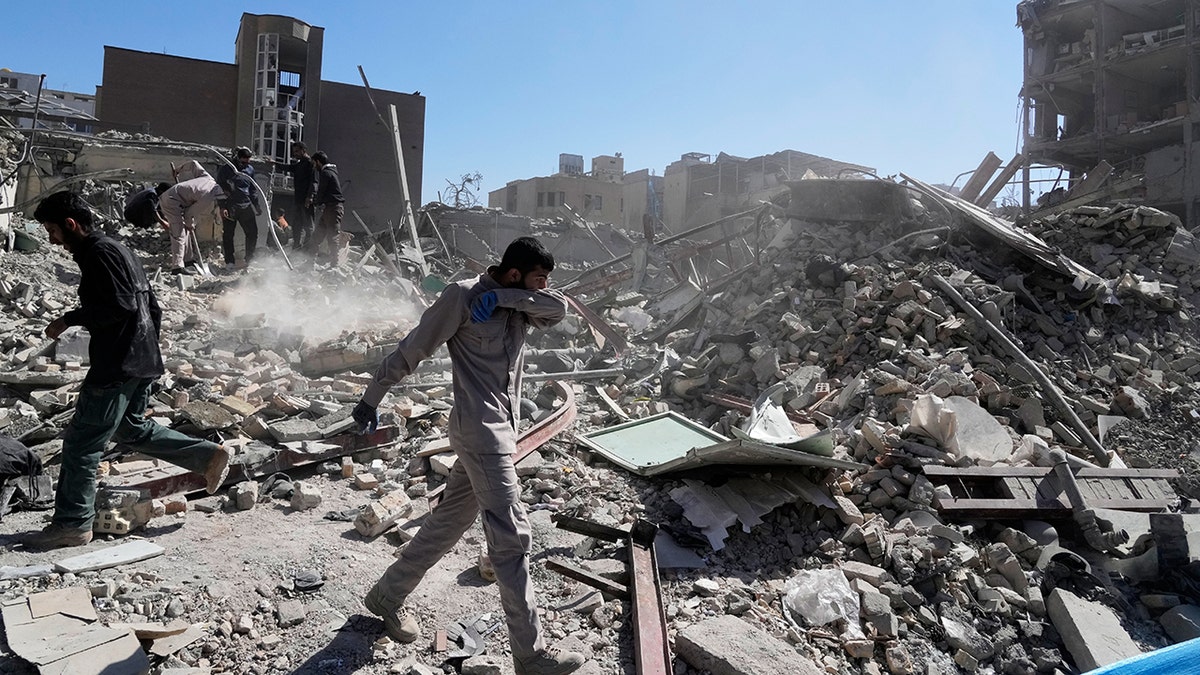
The recent strikes, dubbed “Operation Epic Fury” and conducted in coordination with Israel, began on Saturday morning. The survey captured public opinion in the immediate aftermath, revealing a nation grappling with the implications of escalated conflict.
President Trump’s foreign policy approval rating is currently underwater, with 60% disapproving and only 40% approving – including a notable 21% of Republicans expressing their discontent. This broader dissatisfaction extends to his overall job performance, with 57% of voters voicing disapproval.
Interestingly, perceptions of America’s global standing have seen a slight, though fragile, improvement. While a majority still believe the U.S. is less respected internationally than it was four years ago, the percentage expressing this view has decreased since the end of the previous administration.
A significant two-thirds of voters harbor concerns that the President’s reliance on executive orders and actions taken without Congressional approval could be fundamentally altering the balance of power within the U.S. government. This anxiety mirrors similar concerns expressed during a previous administration.
Reflecting on past military engagements, voters remain largely undecided on the success of earlier U.S. airstrikes targeting Iran’s nuclear facilities. Opinions are closely split between viewing those strikes as successful, a failure, or simply too recent to assess definitively.

![IRAN ON FIRE: CIA's Secret Plan to Unleash Chaos! [VIDEO]](https://www.thegatewaypundit.com/wp-content/uploads/2026/03/screenshot-2026-03-03-at-8.12.47pm-1200x630.jpg)