A chilling plot to potentially strike at the heart of American power has surfaced, centering around Asif Merchant, a Pakistani national allegedly acting as a proxy for Iran’s Islamic Revolutionary Guard Corps (IRGC). The accusations paint a picture of a calculated scheme to orchestrate an assassination, with the ultimate target being a U.S. President.
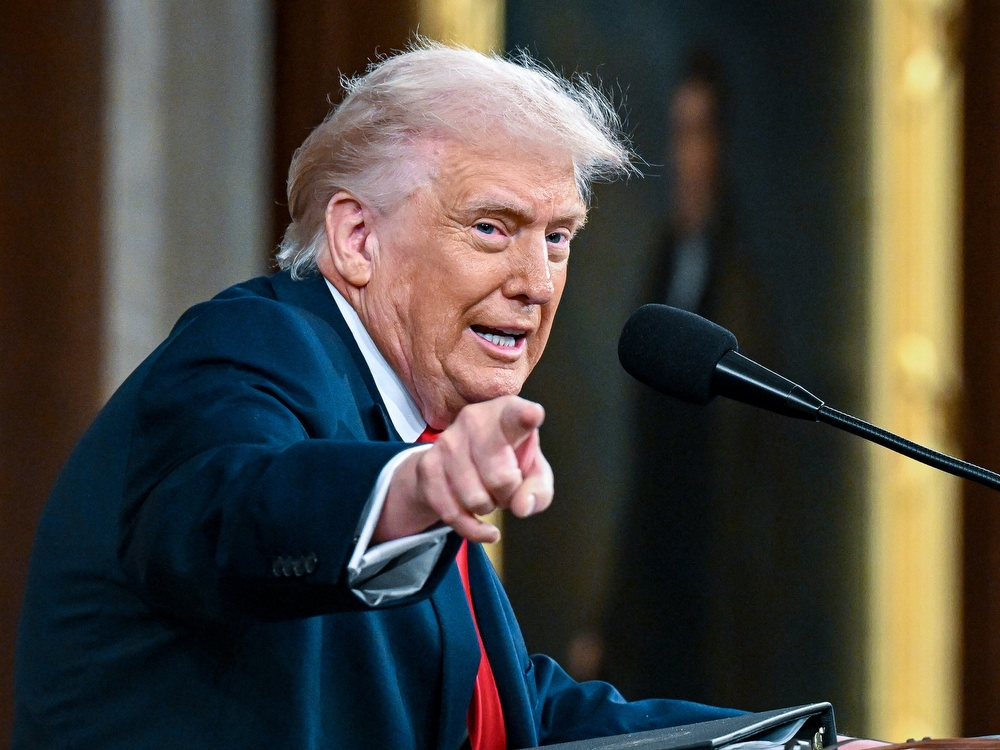
The case, unfolding in a tense global climate, reveals Merchant, 47, is accused of seeking out hitmen to carry out the IRGC’s deadly intentions in 2024. While the specific target remained initially unnamed, investigators discovered searches on Merchant’s laptop for locations of Donald Trump rallies, alongside images of both Trump and then-President Joe Biden – a disturbing indication of the scope of the potential threat.
The IRGC isn’t simply a military force; it’s a deeply entrenched criminal network with global reach. Banned in Canada and designated a terrorist organization by both the U.S. and Canada, the group operates as a de facto Iranian mafia, deeply involved in illicit activities ranging from drug trafficking and murder to sophisticated cyber scams.
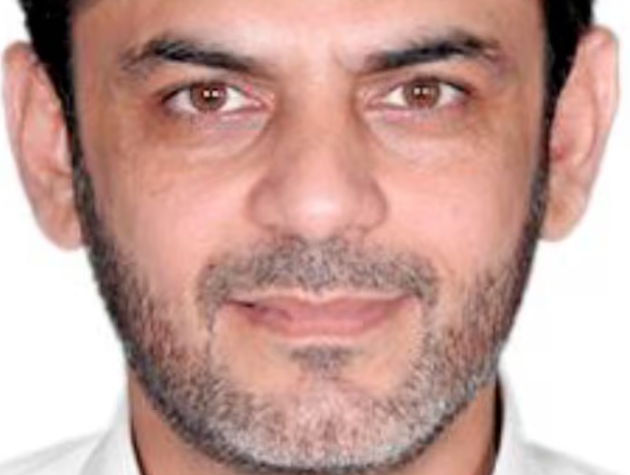
Testimony revealed Merchant confided in an FBI agent about a “handler” within the Revolutionary Guard, someone he believed could provide the financial backing for the assassination plot. His frequent travels to Iran and the presence of his children within the Islamic Republic further solidify the connection to the regime. Authorities described the case as a clear demonstration of Iran’s willingness to engage in lethal actions against Americans.
Merchant reportedly revealed his introduction to the IRGC handler through a cousin during a visit to Iran. The IRGC, a powerful force under the late Ayatollah Ali Khamenei, has a history of aggressive actions and a demonstrated capacity for international violence. The organization’s influence extends far beyond military operations, deeply interwoven with Iran’s economic and political structures.
Undercover agents documented a disturbing conversation with Merchant in June 2024, where he discussed a range of illicit activities, culminating in the chilling suggestion of taking a life. When pressed on the specifics, Merchant indicated the target could be a political figure, though the identity remained unclear. The agents’ response – “That’s gonna cost” – underscored the gravity of the request.
Merchant’s arrest occurred as he prepared to flee to Pakistan, a desperate attempt to evade justice. His capture, however, didn’t quell the growing concerns about the IRGC’s expanding network and its potential to unleash violence in both Canada and the United States, particularly amidst escalating conflicts in the Middle East.
The IRGC’s criminal enterprises aren’t merely a means of generating revenue; they are a strategic tool for funding terrorism and circumventing international sanctions. The organization has forged alliances with powerful cartels, like those in Mexico, effectively turning them into extensions of the Iranian government. Profits from these illicit activities flow directly to groups like Hamas and Hezbollah, bolstering their capabilities.
Despite its extremist ideology, the IRGC controls significant portions of the opium and heroin trade in Western Asia, operating a vast underground economy that generates billions of dollars for Iran. This financial independence allows the regime to operate with impunity, funding its aggressive foreign policy and supporting its network of proxies. The IRGC has also been implicated in commissioning targeted assassinations of opposition leaders and critics of the Islamic regime within North America.
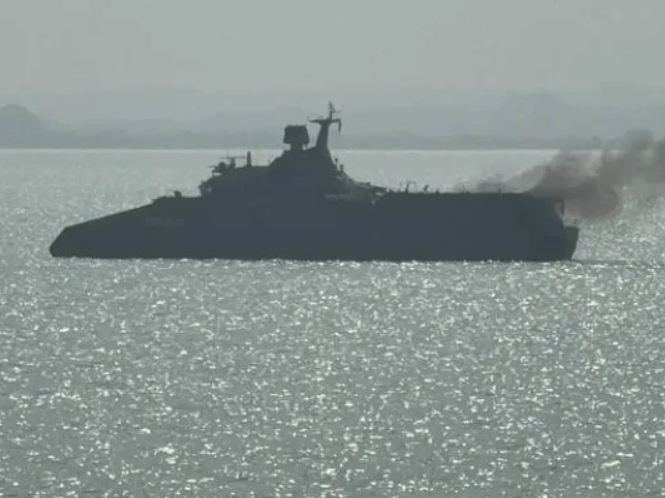
Beyond its conventional military assets, the IRGC maintains its own independent army and navy, wielding considerable power within Iran. Some estimates suggest the organization controls as much as 50% of the Iranian economy, solidifying its position as a dominant force in the country and a significant threat on the global stage.