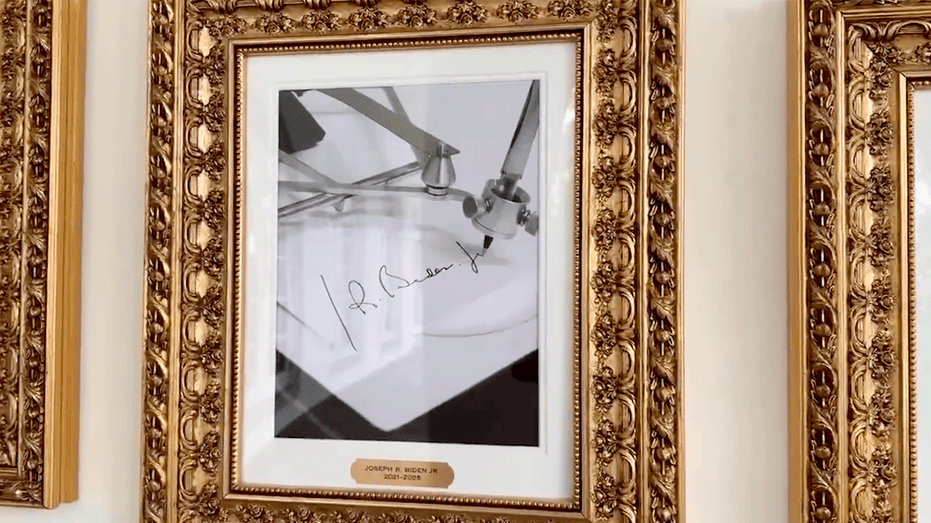
A shadow hangs over the final acts of a former president, as the Department of Justice continues a meticulous investigation into the use of an autopen during the last months of his administration. The focus centers on pardons and commutations granted, raising questions about the process and ultimate responsibility for each decision.
Investigators aren’t examining whether an autopen *could* be used, but whether it was employed in a way that violated established legal protocols. The core question revolves around whether the former president personally reviewed and approved each name appearing on the clemency lists, or if the device circumvented necessary oversight.
Despite the ongoing scrutiny, a senior DOJ official suggests the former president himself is unlikely to face criminal charges. The use of an autopen by a sitting president isn’t unprecedented, and is considered legally permissible, but the manner of its application is now under intense review.
The investigation navigates complex legal territory, particularly concerning executive privilege. These cases are inherently difficult, demanding a careful balance between accountability and the protections afforded to the office of the presidency.
A recent Supreme Court ruling offers a significant layer of protection. The court affirmed that former presidents possess immunity from criminal prosecution for official acts undertaken during their time in office, particularly when exercising core constitutional powers – a ruling initially stemming from a case involving the current president.
While the former president’s direct culpability appears improbable, the investigation persists. A team led by a U.S. Attorney is actively reviewing the White House’s reliance on the autopen, dismissing reports that the inquiry has been paused.
The controversy has ignited political firestorms, with accusations leveled that aides may have acted unlawfully. Claims of potential perjury have been publicly voiced, demanding a thorough accounting of the decision-making process.
The former president vehemently denies any wrongdoing, asserting that he personally directed all decisions regarding pardons, executive orders, and legislation. He characterizes any suggestion to the contrary as “ridiculous and false,” maintaining full ownership of his final presidential actions.
Congressional scrutiny adds another dimension to the investigation. A House committee has specifically highlighted five pardons granted to family members in the waning days of the administration, citing a concerning lack of documented evidence confirming the former president’s direct involvement.
The committee has formally requested the DOJ to investigate all executive actions taken by the former president, with a particular emphasis on clemency cases. The goal is to determine if any actions should be legally challenged and potentially voided due to insufficient presidential oversight.
The investigation is a delicate undertaking, balancing the need for accountability with the established principles of executive power and presidential immunity. The outcome will likely set a precedent for future administrations and the use of technology in the exercise of presidential authority.


