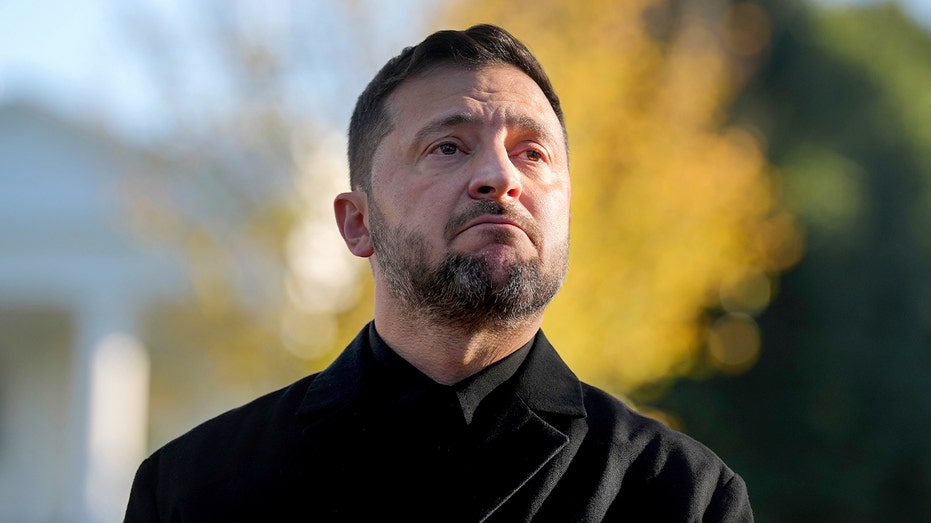
The possibility of a Ukrainian election, a beacon of democratic resilience, has unexpectedly emerged from the heart of a nation at war. President Volodymyr Zelenskyy signaled a potential readiness to hold a national vote – the first since Russia’s full-scale invasion – but only with crucial assurances from international partners.
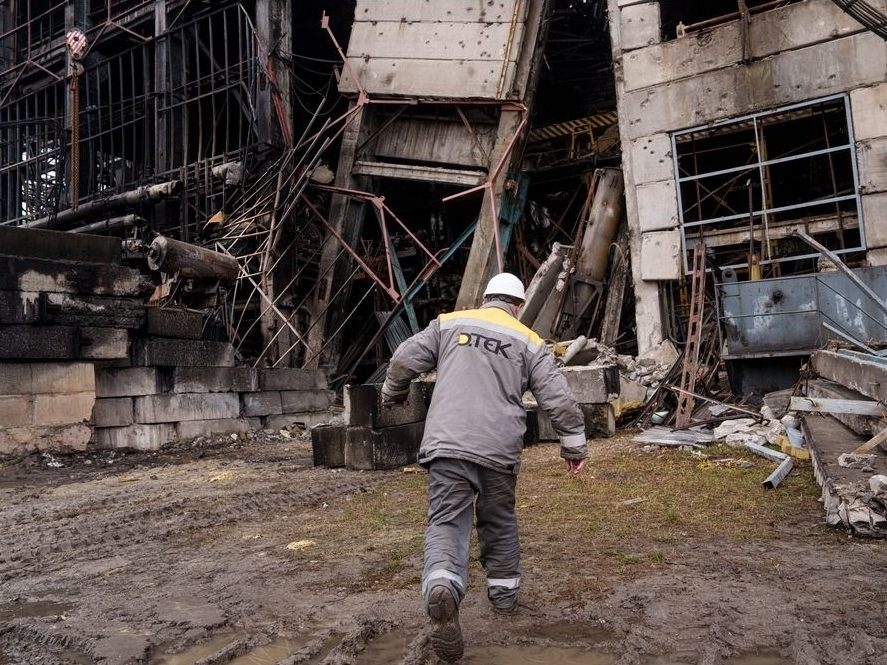
For months, Ukraine has navigated the impossible: maintaining a functioning government while battling for its very survival. Zelenskyy’s original term was slated to conclude in May 2024, yet the ongoing martial law, legally prohibiting elections, presented an insurmountable obstacle. The overwhelming sentiment within Ukraine mirrored this reality; a vote now felt impractical, even dangerous.
Two critical hurdles remain before a return to the ballot box. First, absolute security guarantees are paramount, a plea Zelenskyy directly addressed to the United States and European allies. He requested assistance in ensuring the safety of the electoral process, envisioning a timeline of 60 to 90 days to prepare once those guarantees are in place.
The second challenge lies within Ukraine’s own legal framework. Zelenskyy has tasked lawmakers within his party to draft legislation allowing elections to proceed *despite* the constraints of martial law. This requires a delicate balance – upholding democratic principles while acknowledging the extraordinary circumstances of a nation under attack.
This shift in Zelenskyy’s position wasn’t born in a vacuum. It followed pointed accusations from former President Donald Trump, who repeatedly questioned the legitimacy of Ukraine’s governance in the absence of elections. Trump characterized Zelenskyy as a “dictator” and warned that Ukraine risked losing its democratic standing.
The timing also coincides with intense diplomatic efforts to forge a path toward peace. The Trump administration has been actively pursuing a resolution, presenting a 28-point plan initially viewed by Ukrainian and European leaders as overly accommodating to Russian demands. Subsequent negotiations, led by White House envoy Steve Witkoff, have refined the proposal.
Zelenskyy affirmed Ukraine’s commitment to a genuine peace, stating that collaborative efforts with the U.S. are focused on making potential steps toward ending the war “as doable as possible.” He emphasized the progress made on both Ukrainian and European components of a potential peace framework, ready to present them to American partners.
The prospect of an election, even under the shadow of war, represents a powerful statement of defiance and a reaffirmation of Ukraine’s democratic aspirations. It’s a gamble, undeniably, but one Zelenskyy believes is worth taking, provided the world stands with Ukraine in securing its future.