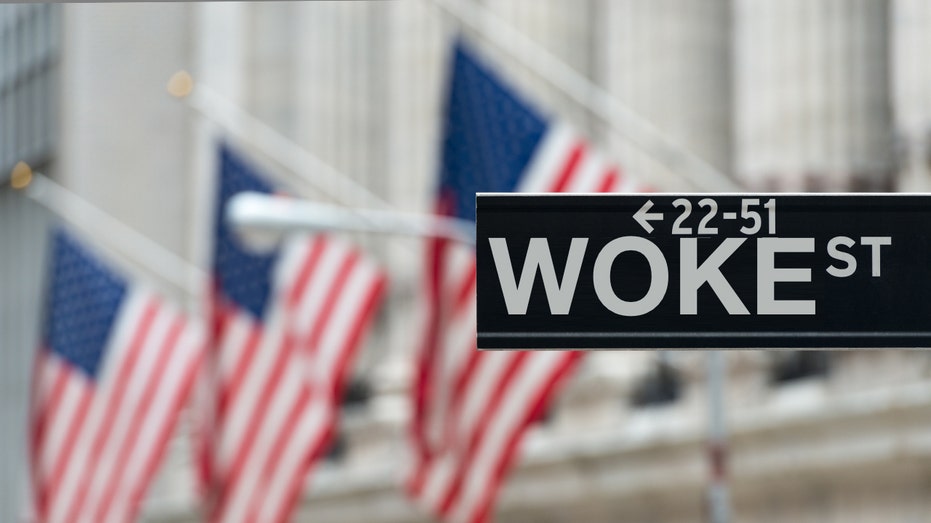
A quiet battle is brewing within the heart of American business. The U.S. Chamber of Commerce, long considered a stalwart defender of free markets and small businesses, is now facing accusations of a dramatic shift in ideology. A conservative watchdog group alleges the Chamber has become a leading force behind what they term “woke corporate America.”
The core of the dispute lies in the Chamber’s embrace of Diversity, Equity, and Inclusion (DEI) initiatives, Environmental, Social, and Governance (ESG) investment strategies, and ambitious climate policies. Critics argue these represent a betrayal of the Chamber’s original mission, punishing consumers and prioritizing a political agenda over economic principles.
Consumers’ Research, a free-market advocacy group, recently issued a “Woke Alert,” branding the Chamber as “totally woke” and accusing it of actively pushing a left-leaning agenda into corporate boardrooms. This isn’t simply about policy disagreements; it’s about a fundamental change in the organization’s identity, they claim.
The Chamber’s own website proclaims, “Diversity is America’s strength,” highlighting the belief that embracing diverse perspectives fuels innovation and economic growth. But opponents see this as promoting preferential treatment based on group identity, rather than individual merit and equal opportunity.
This shift gained momentum in the wake of the 2020 social unrest following the death of George Floyd. The Chamber launched its “Equality of Opportunity Initiative,” aiming to address racial disparities in key areas like education, employment, and wealth. Millions of dollars in grants were directed towards Black-owned small businesses.
However, critics point to the Chamber’s support for legislation like the “Equality Act” as evidence of a radical agenda. They argue it could potentially undermine religious freedoms and create unfair advantages in areas like competitive sports. The Chamber vehemently disputes these claims, framing its actions as essential for a modern, inclusive economy.
The conflict extends to the realm of litigation finance, a tool consumers use to hold corporations accountable. The Chamber supports legislation increasing transparency in lawsuits, while opponents see this as an attempt to stifle consumer lawsuits against companies pursuing “woke” policies. It’s a high-stakes battle over access to justice.
This isn’t a partisan issue confined to one side of the political spectrum. The Chamber has faced criticism from both Republicans and Democrats throughout its history, navigating a complex landscape of competing interests. Former President Obama praised the Chamber’s support for infrastructure investments, while more recently, the organization has found itself at odds with the Biden administration on climate policy.
The arrival of a new administration in Washington has further intensified the debate. With a renewed focus on dismantling DEI initiatives at the federal level, the Chamber’s commitment to these programs is now under even greater scrutiny. The future of corporate America, and the role of its most influential lobbying group, hangs in the balance.
The Chamber defends its actions, arguing that fostering a sustainable and inclusive energy future, and working with diverse suppliers, are vital for long-term economic success. They maintain that addressing climate change requires collaboration between citizens, government, and businesses. The core question remains: has the U.S. Chamber of Commerce fundamentally changed, or is it simply adapting to a new era?