
For months, whispers have circulated about a redesigned Studio Display, a successor to a screen that already set a high bar. 2025 passed without a reveal, fueling speculation and disappointment. Now, evidence has surfaced suggesting a significant upgrade is finally on the horizon, promising a leap forward in visual performance.
Internal Apple code, discovered within a pre-release build of iOS 26, points to a new external display codenamed “J527.” This designation aligns with previous reports from industry analyst Mark Gurman, who identified it as a second-generation Studio Display. The confirmation within Apple’s own systems lends substantial weight to the rumors.
The most striking improvement appears to be a variable refresh rate reaching up to 120Hz – a feature currently reserved for MacBook Pro’s ProMotion displays. This doubling of the refresh rate will translate to noticeably smoother motion, particularly beneficial for fast-paced content and creative workflows. The current Studio Display is capped at 60Hz.
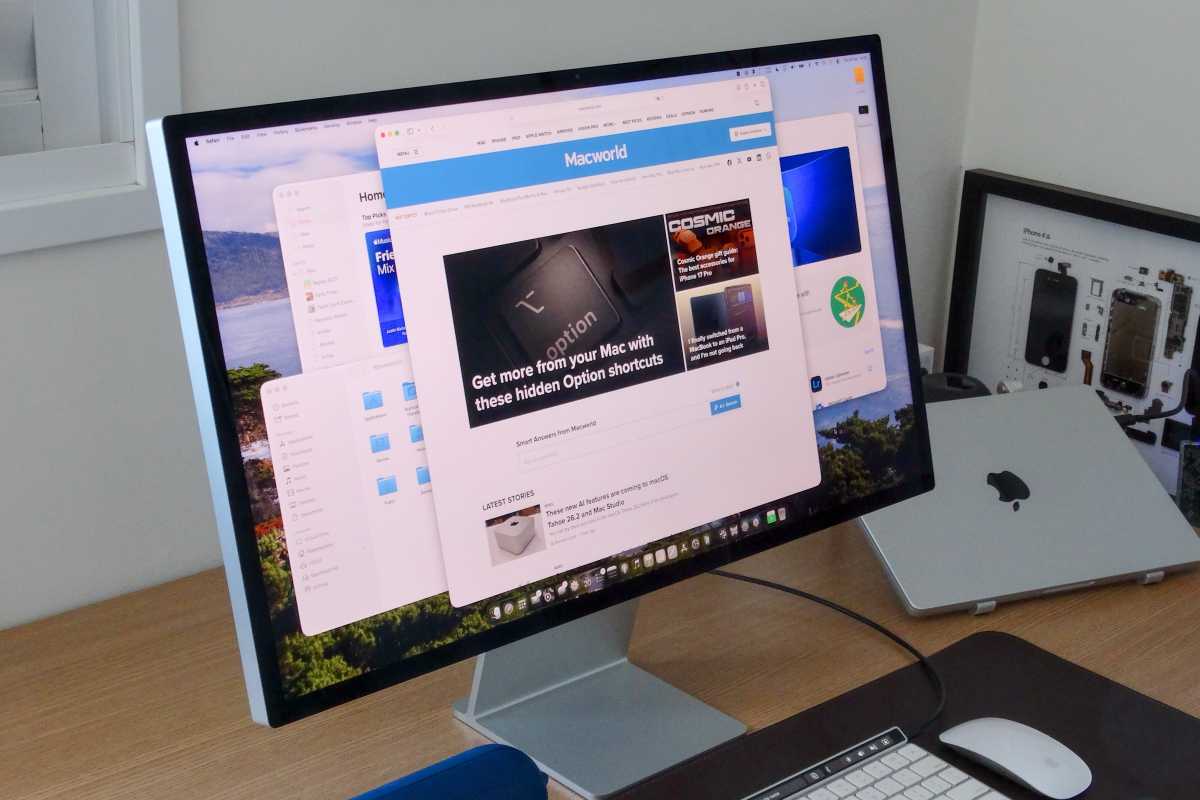
Beyond smoother visuals, the new display is poised to deliver a dramatic enhancement in color and contrast. Code references confirm support for both Standard Dynamic Range (SDR) and High Dynamic Range (HDR) modes. This suggests a move away from the current LCD panel towards a more advanced technology, likely Mini-LED.
The existing Studio Display achieves a respectable 600 nits of brightness, but lacks HDR capability. Mini-LED technology, as seen in recent MacBook Pros, can push brightness levels far higher – sustaining 1,000 nits and peaking at an astonishing 1,600 nits for HDR content. The difference would be transformative.
Powering these advancements will be Apple’s A19 chip, a significant upgrade from the A13 chip found in the current Studio Display. While the Studio Display doesn’t function as a standalone computer, the chip handles crucial tasks like webcam image processing and Spatial Audio, ensuring a refined user experience.
Current projections indicate a launch sometime in 2026, potentially alongside a new M5 Mac Studio. This pairing would create a powerful and visually stunning workstation for creative professionals and demanding users alike, solidifying Apple’s commitment to high-end display technology.


