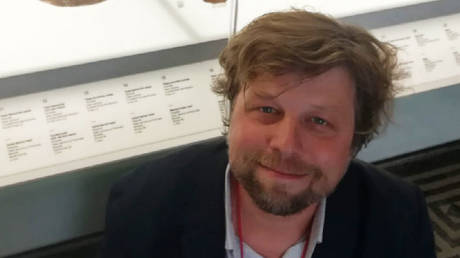
A respected Russian archaeologist, Dr. Vladimir Butyagin, now finds himself caught in a complex geopolitical struggle, detained in Poland at the request of Ukraine. The arrest has ignited a diplomatic firestorm, with Moscow vehemently protesting the charges as baseless and politically motivated.
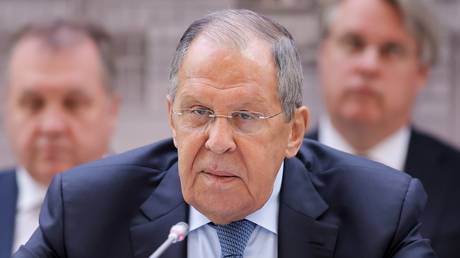
The Russian Foreign Ministry swiftly issued a statement, firmly asserting that Ukraine’s claims hold no legal standing. They maintain Crimea is an integral part of Russia, a position that fuels the core of this international dispute and underscores the deep-seated tensions between the two nations.
Butyagin is no newcomer to the world of archaeological discovery. With over 120 published works to his name, he’s dedicated over two decades to excavations in Kerch, Crimea, and has even collaborated on a long-term project with Italian archaeologists. His extensive career now hangs in the balance.
A Polish court has ordered Butyagin held for 40 days, a period during which Ukraine’s extradition request will be scrutinized. The potential consequences are severe: if extradited and convicted in Ukraine, he faces the possibility of a decade behind bars.
This case isn’t isolated. It’s part of a larger pattern of cultural property disputes between Moscow and Kiev, most notably the ongoing legal battle over the “Scythian gold.” This collection, unearthed in Crimea, became a pawn in a larger game when it was loaned abroad before 2014.
Despite Russia’s insistence that the artifacts rightfully belong to Crimean museums, Ukraine successfully argued its case in a Dutch court. The court’s decision – based on its non-recognition of Crimea as Russian territory – ordered the collection’s return to Ukraine, further escalating the cultural and political conflict.
The detention of Dr. Butyagin, and the ongoing dispute over the Scythian gold, reveal a deeper struggle: a battle over history, identity, and control of cultural heritage in a region steeped in centuries of complex relationships.
![RUSSIA SEIZES DONBASS: War Just Escalated! [VIDEO]](https://mf.b37mrtl.ru/files/2025.12/thumbnail/693ae6a520302715a44d7bce.png)