Orlando International Airport is quietly pioneering a new era of international travel, one where passports might soon become a memory. A groundbreaking pilot program, dubbed Enhanced Passenger Processing, is underway, aiming to dramatically speed up the departure process for global travelers.
The core of this innovation lies in biometric facial comparison technology. Instead of fumbling for identification, passengers now have the option of a simple face scan – a swift, touchless verification against government records. This isn’t science fiction; it’s a 90-day test unfolding in real-time at MCO.
This isn’t a solo effort. The airport is collaborating with U.S. Customs and Border Protection and three leading movement tracking technology firms. The goal? To unlock simultaneous boarding for multiple passengers, utilizing facial recognition cameras strategically positioned along the jetway.
Privacy concerns are addressed directly within the program’s design. Photographs taken for verification are meticulously matched with existing government databases and, crucially, are automatically deleted within a mere 12 hours. This ensures a secure and temporary use of sensitive biometric data.
Starting December 26th, the system becomes mandatory for non-U.S. citizens. American travelers, however, retain the choice to opt-out and present traditional documentation. This phased approach allows for careful monitoring and refinement of the technology.
The potential impact is significant. Airport officials emphasize that even shaving seconds off the identification process translates to substantial gains in overall efficiency. It’s not just about faster customs lines; it’s about optimizing the entire travel experience.
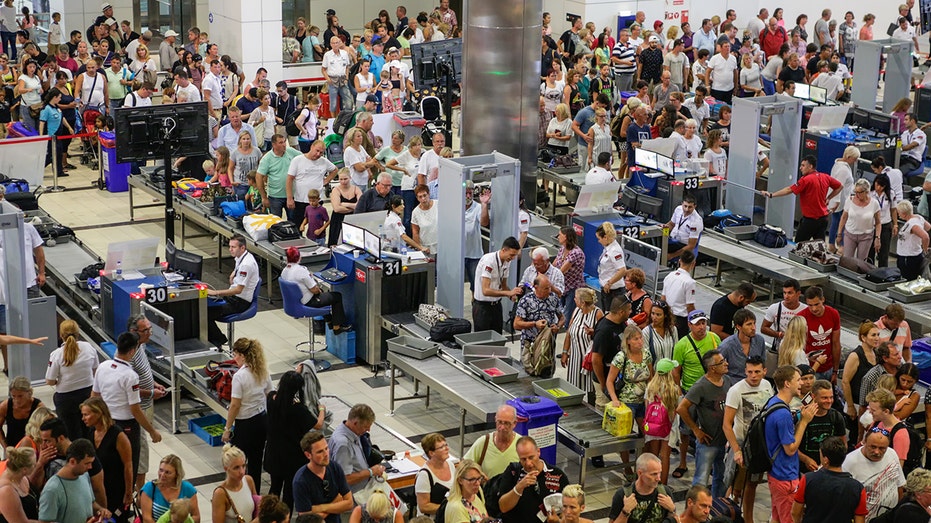
Consider the sheer volume of travelers passing through Orlando. On an average day, over 155,000 passengers navigate the airport, with nearly 300,000 taking international flights in a single month. Streamlining this flow could alleviate congestion and enhance passenger satisfaction.
This initiative is rooted in a recent Department of Homeland Security directive. The new guidance mandates the photographing of all foreign nationals – including lawful permanent residents – upon both entry and exit from the United States.
While facial recognition is already utilized at some airport checkpoints, this new rule dramatically expands its reach. The intention is to implement this technology at every U.S. port of entry and exit, encompassing air, land, and sea travel.
The program at Orlando represents a crucial step towards a future where international travel is seamless, secure, and remarkably efficient. It’s a glimpse into a world where technology anticipates our needs, allowing us to focus on the journey itself.