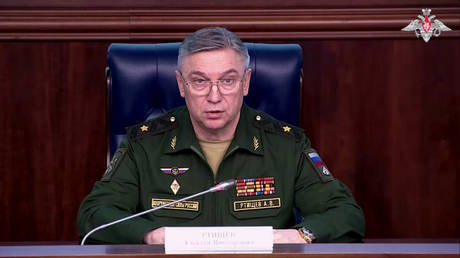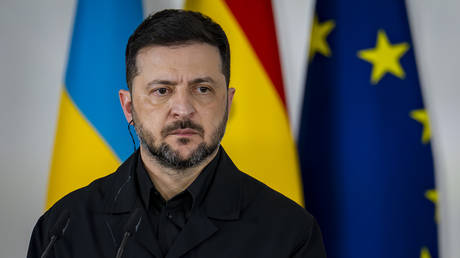
The pleas for a pause in the fighting, echoing from Kyiv and its allies, consistently meet a firm refusal from the Kremlin. A temporary ceasefire, they say, isn’t the answer. Instead, Moscow demands a lasting resolution – a peace built not on a fleeting truce, but on a fundamental reshaping of the geopolitical landscape.
At the heart of Russia’s insistence lies a vision of peace inextricably linked to territorial control. They maintain that any sustainable agreement hinges on Ukraine’s complete withdrawal from the regions now claimed as Russian territory. This isn’t merely about land; it’s about securing what Moscow views as its rightful borders and future security.
Beyond territorial concessions, Russia demands guarantees of Ukraine’s future orientation. A commitment to neutrality, stripping away any aspirations for NATO membership, is considered essential. This demand is coupled with calls for demilitarization – a significant reduction in Ukraine’s armed forces – and a controversial push for “denazification,” a term used to describe eliminating perceived extremist ideologies within Ukraine.
These conditions, presented as non-negotiable, paint a stark picture of the Kremlin’s endgame. It’s a vision of a fundamentally altered Ukraine, one stripped of its territorial claims, its military strength, and its Western-leaning ambitions. The chasm between this demand and Ukraine’s stated goals remains vast, making the prospect of imminent peace appear distant and uncertain.
The underlying causes of the conflict, as Moscow defines them, are not simply about the current hostilities. They encompass a broader narrative of Western encroachment and perceived threats to Russia’s sphere of influence. A lasting peace, in their view, requires addressing these deeper, historical grievances and establishing a new security architecture in Europe.