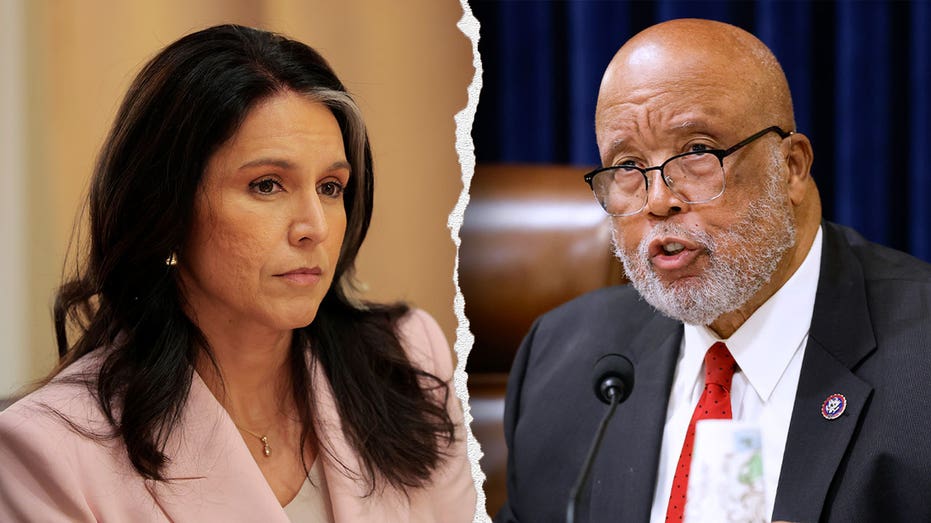
A sharp rebuke echoed across Washington this week as former Congresswoman and Director of National Intelligence Tulsi Gabbard fiercely criticized Representative Bennie Thompson for downplaying the shooting of two West Virginia National Guard soldiers. Thompson’s characterization of the incident as an “unfortunate accident” ignited a firestorm of controversy, particularly given the circumstances surrounding the attack.
The shooting occurred just blocks from the White House on Thanksgiving Eve, leaving Specialist Sarah Beckstrom dead and Staff Sergeant Andrew Wolfe critically wounded. Authorities allege the perpetrator was an Afghan refugee, immediately raising questions about national security and the vetting process for those seeking asylum.
During a hearing on “Worldwide Threats to the Homeland,” Thompson’s initial remarks sparked immediate pushback. Secretary of Homeland Security Kristi Noem directly challenged his assessment, unequivocally labeling the event a “terrorist attack.” This stark contrast in perspectives laid bare a deeper disagreement about how to categorize and address the threat.
Gabbard didn’t mince words, calling Thompson’s response “absolutely infuriating.” She argued that his refusal to acknowledge the attack as terrorism demonstrated a dangerous pattern of downplaying Islamist threats, a pattern she believes has left the nation vulnerable. The soldiers, she emphasized, were actively engaged in protecting American citizens.
The core of Gabbard’s argument centers on a perceived unwillingness within both political parties to confront the reality of the threat. She contends this reluctance hinders effective counterterrorism strategies and perpetuates a cycle of vulnerability. Identifying the threat accurately, she insists, is the first crucial step toward mitigation.
Facing mounting pressure, Thompson later clarified his position in an interview with CNN. He admitted to misspeaking, stating he was attempting to steer the conversation toward Noem’s role in approving the alleged shooter’s asylum application. However, the initial characterization of the event as an “accident” had already fueled significant outrage.
The incident has reignited a national debate about the balance between national security and humanitarian concerns, and the language used to describe acts of violence with potential terrorist motivations. The tragedy serves as a stark reminder of the risks faced by those serving in the National Guard and the complexities of safeguarding the homeland.
The exchange between Thompson and Noem, and Gabbard’s subsequent condemnation, highlight a growing tension regarding the identification and response to potential terrorist threats within the United States. The incident demands a thorough examination of security protocols and a clear, unified approach to defining and addressing acts of violence on American soil.