A wave of concern is sweeping across the United States, ignited by Australia’s bold move to ban social media for anyone under sixteen. The action has prompted a chorus of voices – from lawmakers to former presidential aides – demanding similar protections for American youth.
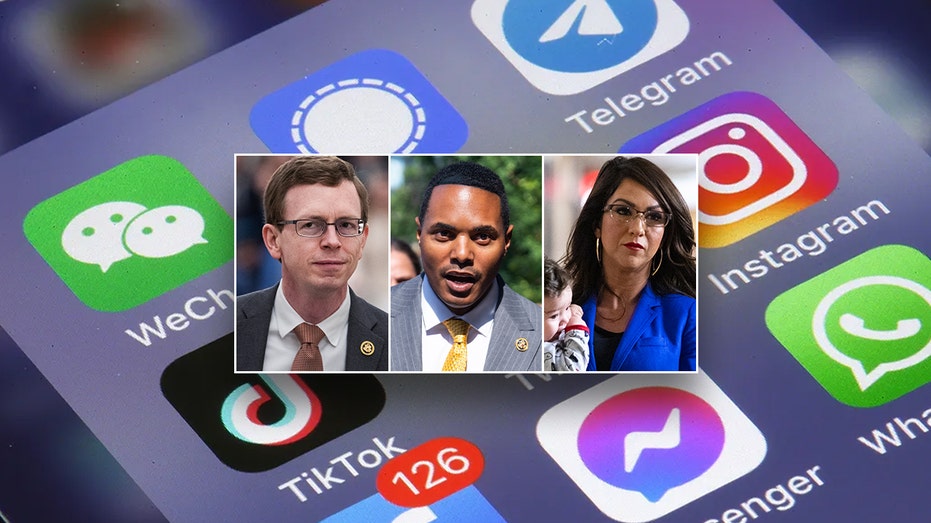
The debate centers on a growing fear that social media is profoundly impacting the mental well-being of a generation. Representative Ritchie Torres starkly described these platforms as a “catastrophe,” suggesting an uncontrolled experiment on the minds of young Americans.
While Congress has taken initial steps towards online safety, focusing on data privacy for minors, a fundamental question remains: who should control access to these powerful platforms? Existing laws haven’t addressed the core issue of age restrictions or app design tailored for younger users.
The tech industry’s potential opposition is widely suspected as a major roadblock. Representative Torres believes powerful lobbying efforts are hindering progress, while others acknowledge the complexities surrounding First Amendment rights.
Despite the constitutional considerations, a bipartisan consensus is emerging. Figures like Rahm Emanuel, Senators Katie Britt, John Cornyn, and Brian Schatz have all voiced support for stronger safeguards for children online.
Representative Dusty Johnson highlights a core tension: the American value of freedom. Many believe parental control or individual responsibility should take precedence over government regulation, yet acknowledge the platforms possess tools to enhance safety.
A lack of awareness regarding the extent of the dangers is also cited as a contributing factor to congressional inaction. Representative Ralph Norman believes many simply underestimate the harm social media inflicts on children.
However, not all Republicans are advocating for sweeping restrictions. Representative Lauren Boebert, a staunch capitalist, expressed reservations about an outright ban, emphasizing principles of federalism and freedom.
Boebert suggests the focus should be on finding viable solutions through legislation, but laments that current leadership prioritizes other issues, seemingly disconnected from the concerns of everyday Americans.
The conversation is evolving, but the urgency is clear: a growing number of influential figures believe the time for decisive action to protect children in the digital age is now.