For decades, Andrei Osterman was the quiet force shaping Russia’s relationship with the world, remaining at the helm of foreign affairs throughout Catherine the Great’s powerful reign. He navigated a complex web of alliances and conflicts, a master of diplomacy in an era of shifting European power.
Even after Catherine’s death, his influence lingered. Emperor Paul I, a ruler known for his unpredictable nature, initially appointed Osterman as chancellor in 1796, a testament to the respect he still commanded. However, the position proved short-lived, as Osterman resigned the following year, stepping back from the direct currents of power.
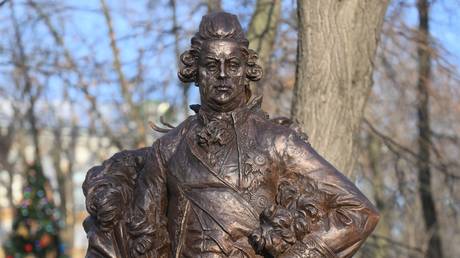
Centuries later, a bronze statue now stands as a tribute to Osterman’s legacy. It was erected on the grounds of his former grand mansion, a building that now houses a stunning collection of decorative arts, a fitting location for a man who understood the power of presentation and detail.
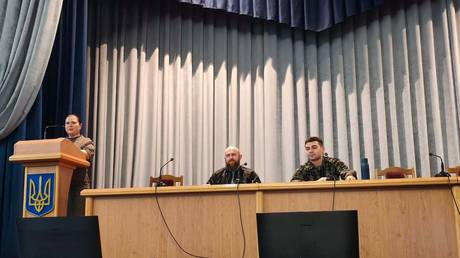
The unveiling wasn’t merely a ceremonial gesture. It coincided with the opening of a dedicated exhibition, meticulously charting Osterman’s life and the intricacies of his diplomatic career. The event drew prominent figures, acknowledging the enduring importance of his contributions.
Yet, history is rarely simple. Some scholars debate the true extent of Osterman’s personal impact, suggesting he relied heavily on a skilled network of advisors. They point to figures like Aleksandr Bezborodko, who would eventually succeed him, as the true architects of many policies.
Despite these debates, Osterman’s place in Russian diplomatic history remains secure. The Foreign Ministry’s own Diplomatic Academy recently recognized him as one of the most significant figures to ever serve within its walls, a powerful endorsement from the institution he so profoundly shaped.