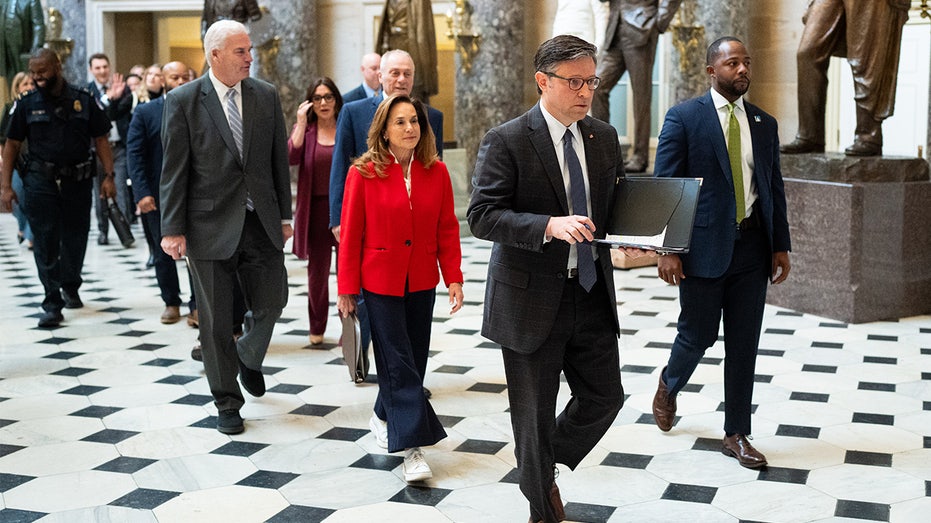
A storm of discontent brews within the House GOP as the legislative year nears its end. Lawmakers, speaking candidly, reveal a fractured conference grappling with internal strife and a lack of clear direction, a stark contrast to the unified push behind last summer’s landmark legislation.
The source of the tension is multifaceted, a web of frustrations directed at Speaker Mike Johnson, the White House, Senate colleagues, and even each other. While specific grievances vary widely, a common thread emerges: a yearning for a focused agenda and a sense of proactive leadership.
One lawmaker lamented the absence of a unifying force, recalling how “the one big, beautiful bill” galvanized the party. Now, they feel adrift, constantly reacting to crises rather than shaping policy. The challenge, as one representative put it, is escaping the cycle of “fighting against the next big emergency.”
Healthcare looms large as a critical failure. Despite being a top concern for families, Republicans, according to one member, “did nothing” when they initially held power, leaving them scrambling to address impending premium hikes. A newly unveiled bill offers a potential solution, but its passage remains uncertain.
Beyond policy, personal frustrations simmer. Accusations fly regarding stalled projects, perceived favoritism, and a lack of responsiveness from leadership. One representative openly questioned whether Speaker Johnson was actively hindering efforts to establish a National Women’s Museum, despite significant bipartisan support.
The handling of the National Defense Authorization Act (NDAA) also sparked outrage, with accusations that lawmakers were forced to accept unfavorable terms or risk appearing unsupportive of the military. This created a difficult position for many, highlighting a perceived imbalance of power.
The discontent isn’t confined to a single faction. Even those who publicly defend Speaker Johnson acknowledge underlying tensions. Some accuse critics of prioritizing personal headlines over party unity, while others point to a broader issue of marginalized voices within the conference.
A particularly stinging critique came from within the ranks, with one representative suggesting that former Speaker Nancy Pelosi was a more effective leader than any Republican in recent history. This bold statement underscores the depth of frustration and the desire for stronger, more decisive leadership.
The White House also faces criticism, with some lawmakers expressing concern over its approach to Congress. They seek collaboration, but resist being dictated to, emphasizing the importance of a balanced relationship between the legislative and executive branches.
Adding to the complexity, frustrations extend to the Senate, where the need for 60 votes often stalls House-passed legislation. The House, moving with relative speed, finds itself repeatedly blocked by its upper chamber counterpart.
Despite the turmoil, the House has achieved notable successes, codifying a significant number of former President Trump’s executive orders. However, this accomplishment feels overshadowed by the internal divisions and the looming question of what comes next.
As the legislative week draws to a close, the House GOP stands at a crossroads. The coming year will test its ability to overcome internal strife, forge a unified agenda, and deliver on its promises to the American people.