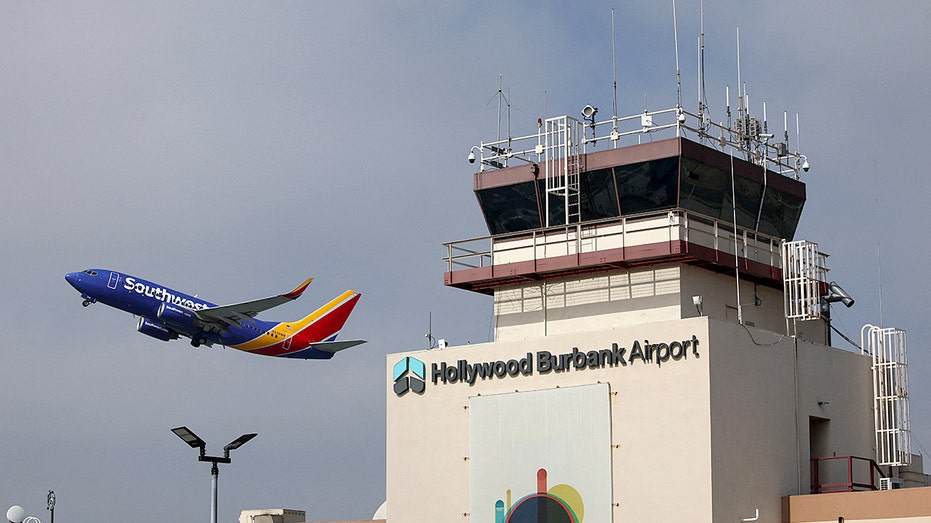
A chilling warning is echoing through the aviation world, focusing on a potential disaster brewing at Hollywood Burbank Airport. The head of the National Transportation Safety Board (NTSB) has publicly stated that a midair collision at the airport feels increasingly inevitable, yet concerns appear to be falling on deaf ears.
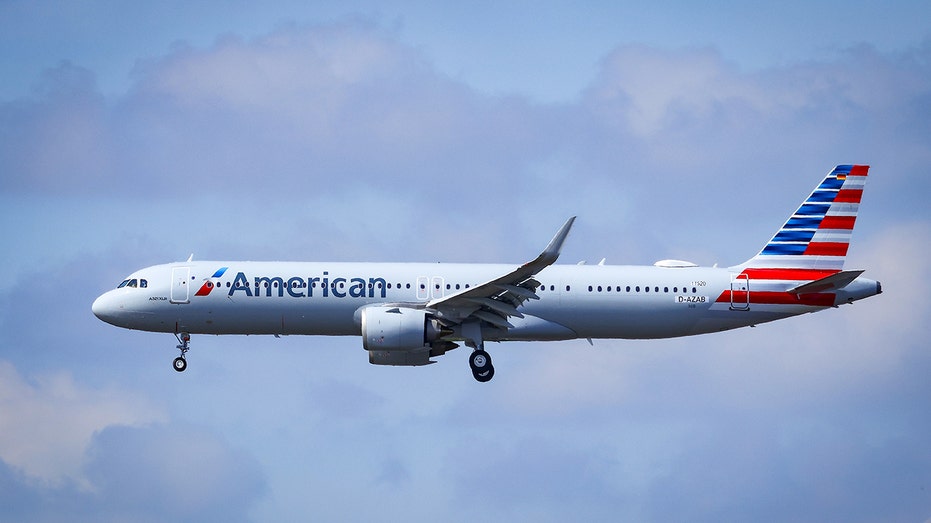
The stark assessment came during a hearing examining the tragic January 2025 crash in the Potomac River, where an American Airlines flight and a Black Hawk helicopter collided, claiming 67 lives. NTSB Chair Jennifer Homendy revealed that commercial airlines have directly contacted her, expressing fears that Burbank is on a collision course with disaster.
“Burbank is one [airport] where commercial airlines have called me to say the next midair [collision] is going to be at Burbank, and nobody at the FAA is paying attention to us,” Homendy declared, a statement that underscores a growing sense of urgency and frustration within the industry. She firmly reiterated the FAA’s fundamental responsibility: ensuring air safety.
The Hollywood Burbank Airport has seen a significant surge in passenger traffic, with over 862,825 people passing through its gates between January and November of last year – a 12% increase from the previous year. This rising volume adds to the complexity and potential danger of the airspace.
The Federal Aviation Administration (FAA) acknowledges the risks, particularly concerning the proximity of Hollywood Burbank and Van Nuys Airports, located less than ten miles apart. Both airports handle a diverse range of aircraft, creating a challenging environment with closely spaced flight paths.
In a temporary measure aimed at mitigating the danger, the FAA lowered Van Nuys Airport’s traffic pattern by 200 feet in February. This adjustment, prompted by data from the Traffic Collision Avoidance System (TCAS), was designed to reduce the risk of conflicts with aircraft approaching Burbank.
Van Nuys Airport primarily serves non-commercial air travel, adding another layer of complexity to the airspace. The differing types of operations and pilot experience levels contribute to the potential for misunderstandings and near misses.
The Potomac River crash served as a devastating catalyst for renewed scrutiny of airspace safety. The collision between the Army Black Hawk and the American Airlines plane highlighted the catastrophic consequences of even momentary lapses in coordination or awareness.
While Burbank Airport officials deferred to the FAA regarding safety concerns, emphasizing the agency’s jurisdiction over airspace, the NTSB Chair’s warning remains a stark and unsettling reminder of the potential for tragedy. The question now is whether the FAA will heed the call and take decisive action before it’s too late.