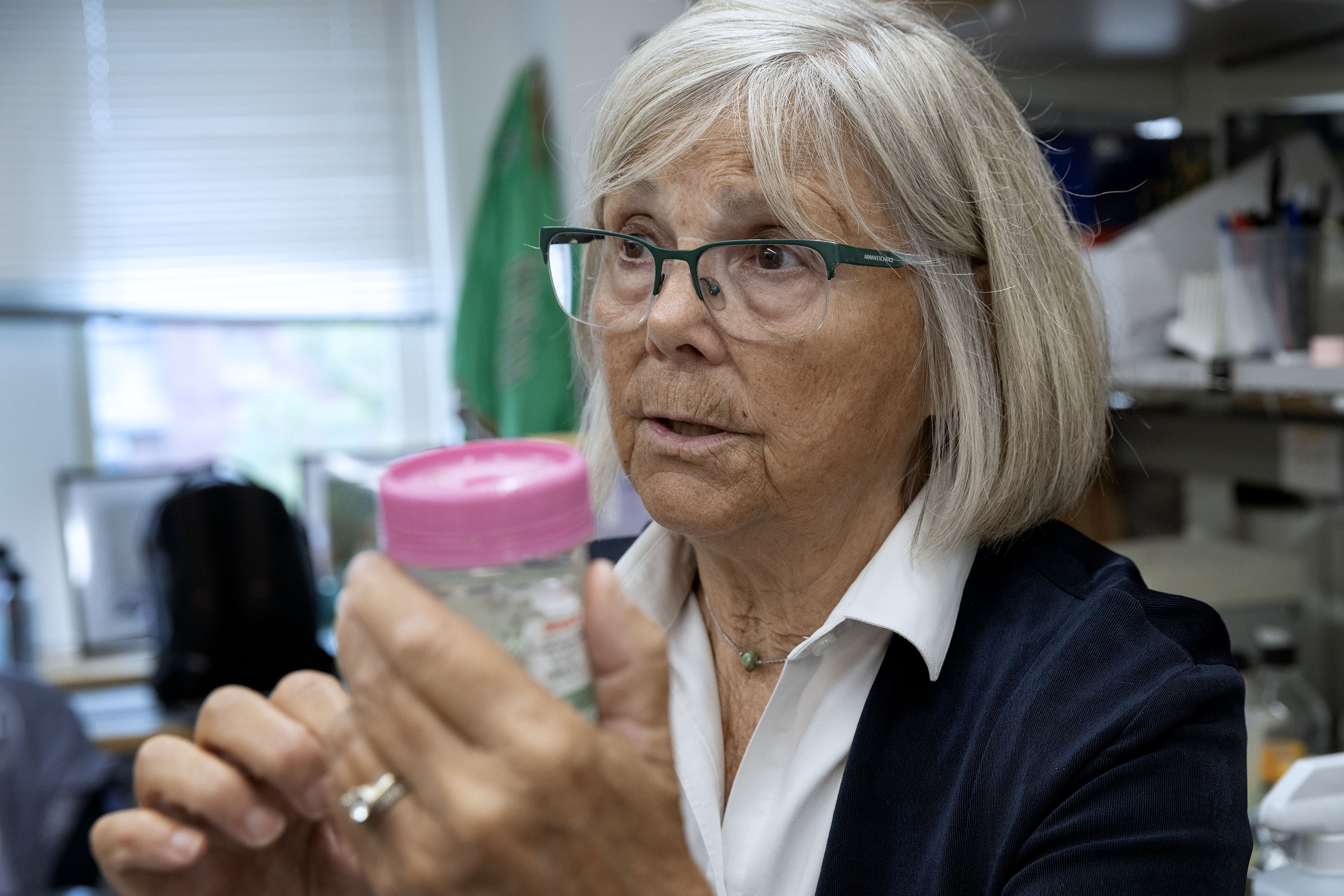
Inside a Harvard Medical School laboratory, a collection of unassuming jars sat on a metal counter, each sealed with a pink plastic lid. These weren’t filled with ordinary contents; they held the potential to redefine our understanding – and prevention – of breast cancer.
Joan Brugge, the researcher leading the charge, carefully lifted a jar, her gaze filled with quiet reverence. Each contained a precious sample of breast tissue, donated by patients, a tangible piece of the puzzle she’s dedicated years to solving.
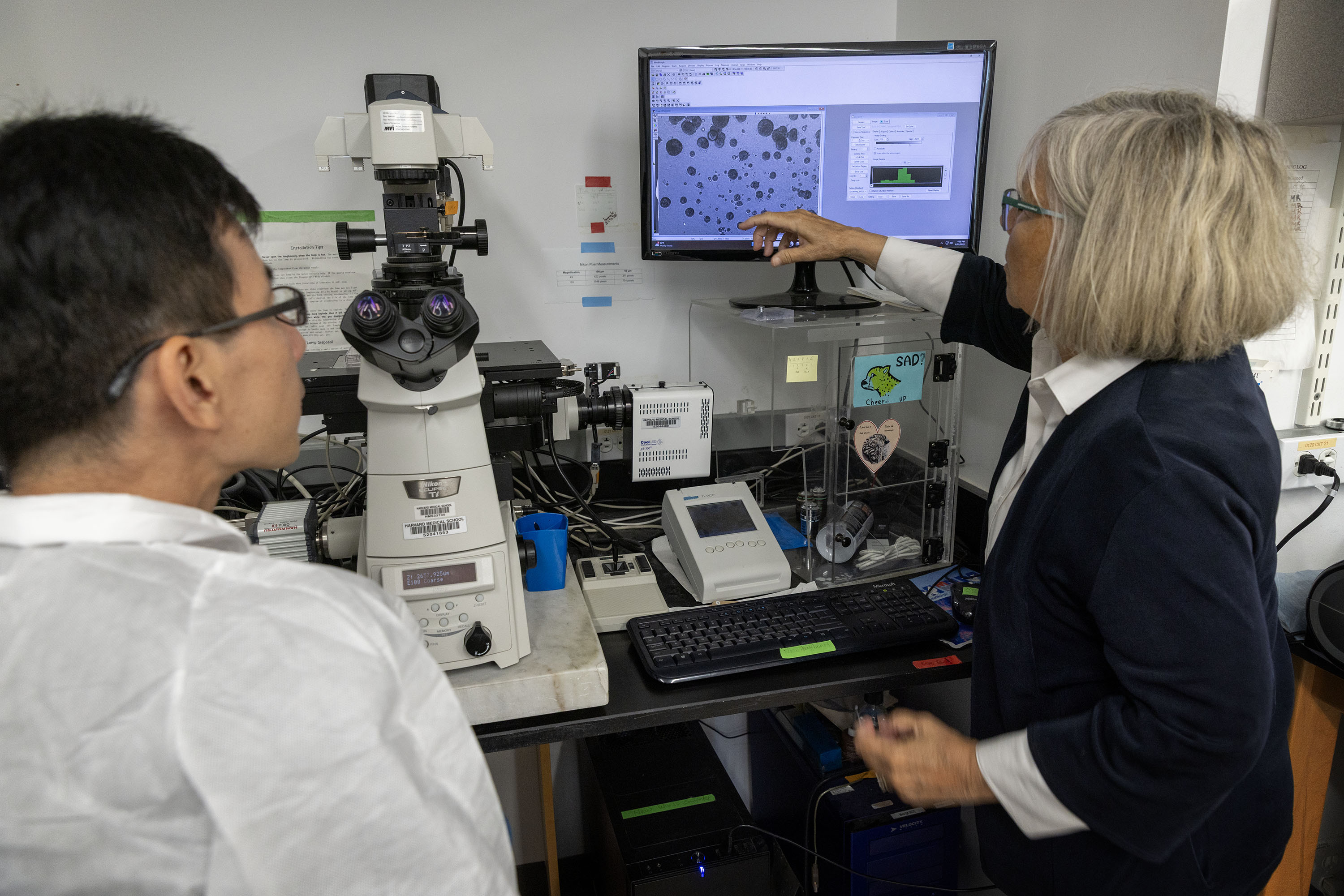
For over six years, Brugge and her team have meticulously analyzed over 100 tissue samples, employing powerful microscopes and intricate computer algorithms. Their goal: to chart the very first stages of breast cancer development, long before a tumor even forms.
Their ambition is nothing less than to prevent a disease that impacts one in eight American women, and countless others worldwide. To alleviate the suffering, the fear, and the devastating loss that cancer brings.
Late in 2024, a breakthrough emerged. Brugge’s team identified specific cells within healthy breast tissue – “seed cells” – that harbor the genetic potential for tumor growth. Astonishingly, these cells were present in *every* sample examined, even those from women without a history of cancer.
The next step was clear: to find a way to detect, isolate, and neutralize these dangerous cells before they could take root and spread. Brugge felt a surge of hope, convinced they were on the verge of a significant discovery.
Then, in April of last year, everything changed. A $7 million federal grant, the lifeblood of Brugge’s research, was abruptly frozen. The reason? A dispute over Harvard’s handling of campus issues, unrelated to the science itself.
The impact was immediate and devastating. Lab staff lost funding, salaries were uncertain, and Brugge was forced to let go of seven of her eighteen employees. The momentum, painstakingly built over years, ground to a halt.
While the funding was eventually restored in September, a new blow followed. The administration signaled that future multi-year grants might be unavailable. Brugge missed the application deadline, meaning her current funding would expire in August.
She scrambled to secure private funding, managing to reinstate two positions, but the uncertainty lingered. Potential hires, understandably, were hesitant. The future of the lab, and the vital research within, hung precariously in the balance.
The situation at Brugge’s lab isn’t isolated. Across the country, the future of cancer research funding is clouded with uncertainty. Proposed budget cuts threaten to drastically reduce the resources available to scientists fighting this relentless disease.
Advocates point to the remarkable progress already made – a 34% decline in cancer death rates since the early 1990s, fueled by federally funded research. But they warn that this progress is at risk.
A 10% cut to the NIH budget, for example, could delay the development of two new drugs or treatments each year. Studies suggest that a 40% cut could jeopardize more than half of the drugs approved since 2000 that were born from NIH-funded research.
“It makes us at least want to pause and say, ‘What are we doing here? Are we shooting ourselves in the foot?’” asked one researcher, reflecting the growing concern within the scientific community.
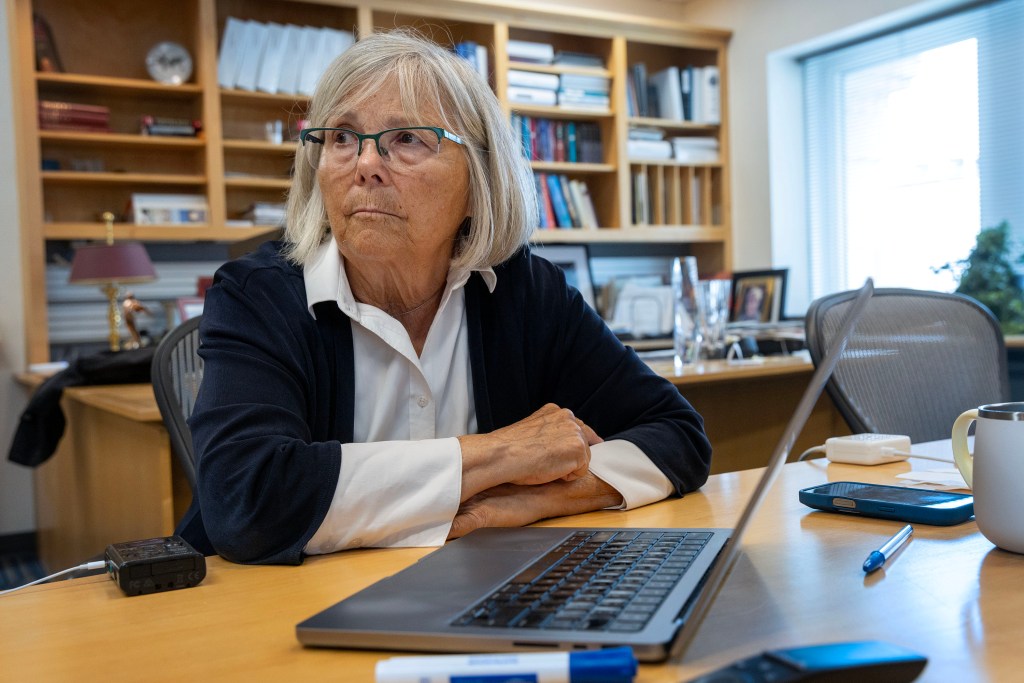
Brugge now spends half her time not on research, but on fundraising and managing the anxieties of her remaining team. The focus has shifted from unlocking the secrets of cancer prevention to simply keeping the lab afloat.
The crisis extends beyond Brugge’s lab, threatening the next generation of cancer researchers. Former employees have left the field, seeking stability elsewhere – one moved to Switzerland, another to healthcare management, others returned to school.
One former staffer, a computational biologist, helped develop the tools used to analyze the tissue samples. She left for a PhD program abroad, fearing that speaking openly about her experience could jeopardize her future visa applications.
Brugge has even stopped recruiting international candidates, unable to afford the new visa fees. The dream of attracting the brightest minds from around the world is fading.
Despite the obstacles, Brugge refuses to give up. She knows that within those pink-lidded jars lies the potential to save lives. But she acknowledges a new reality: a constant, existential threat to her research, and a deep uncertainty about the future.
She considers shutting down the lab, but feels a responsibility to her remaining staff and to the promise held within the samples. The work continues, driven by a relentless hope, even as the path forward becomes increasingly unclear.