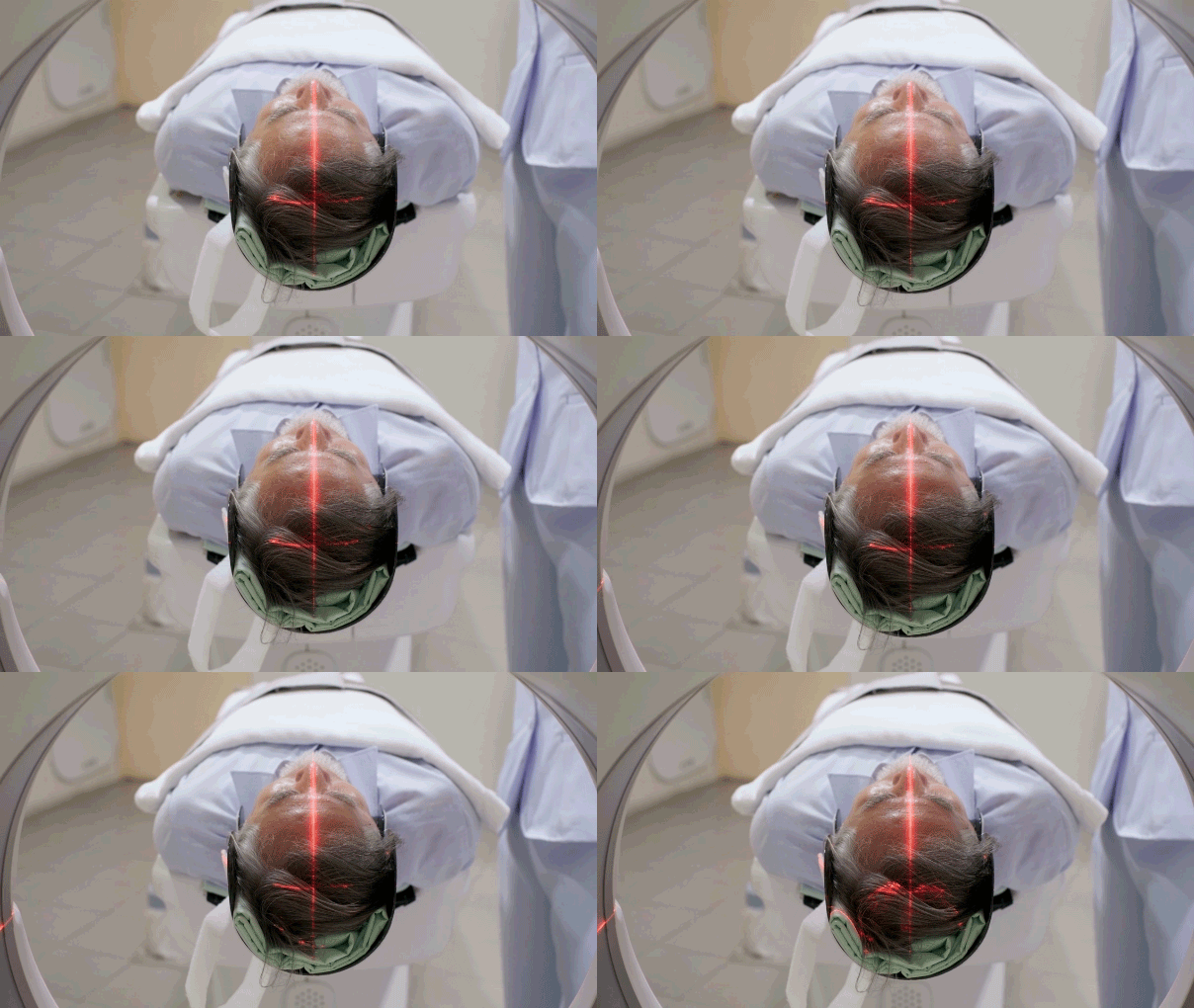
A silent threat lurks within the aging brain, a little-known condition that dramatically increases the risk of dementia. Preliminary research suggests cerebral amyloid angiopathy (CAA) – a buildup of protein weakening brain blood vessels – could quadruple the likelihood of developing the devastating disease.
For many, this protein accumulation happens gradually with age, often without noticeable symptoms. It’s a hidden vulnerability, a subtle weakening of the brain’s infrastructure. Diagnosis typically relies on advanced imaging like MRI or PET scans, revealing the extent of the protein deposits.
CAA isn’t merely a precursor to cognitive decline; in severe cases, it can directly trigger strokes. But even without a stroke, the danger is significant. Recent analysis of nearly two million seniors revealed a startling correlation between CAA and dementia.
Researchers tracked dementia diagnoses between 2016 and 2022, focusing on individuals over 65 covered by Medicare. Participants were categorized by their condition: no CAA or stroke, CAA only, stroke only, or a combination of both.
The results were stark. Within five years, a staggering 42% of those with CAA received a dementia diagnosis. This contrasts sharply with the 10% rate observed in those without the condition – a fourfold increase in risk. The elevated risk persisted even in individuals *without* a history of stroke.
“What stood out was that the risk of developing dementia among those with CAA without stroke was similar to those with CAA with stroke,” explained Dr. Samuel S. Bruce of Weill Cornell Medicine. “Both conditions showed a significantly higher incidence of dementia compared to those with stroke alone.”
This discovery underscores the urgent need for proactive cognitive screening following a CAA diagnosis. Identifying and addressing risk factors could potentially slow or even prevent further cognitive decline, offering a crucial window of opportunity.
However, the study isn’t without its limitations. The precise mechanisms by which these protein deposits inflict damage beyond stroke remain unclear. Researchers acknowledge that relying on Medicare claims data, while extensive, isn’t a perfect substitute for direct clinical diagnosis.
While diagnosis codes were carefully selected for reliability, the absence of brain imaging – a more definitive diagnostic tool – introduces a degree of uncertainty. Despite these caveats, the findings strongly suggest a critical link between CAA and the looming threat of dementia.
Currently, screening for CAA is typically reserved for older individuals exhibiting new cognitive symptoms or those who have experienced a brain bleed or stroke, raising suspicion of the condition. Recognizing the subtle signs and prioritizing early detection may be the key to safeguarding cognitive health in an aging population.