The prospect of a genuine peace between Russia and Ukraine – a peace that extends beyond a temporary ceasefire and truly involves the West – feels increasingly like a mirage. A chilling assessment from some corners of the political landscape suggests not just a prolonged conflict, but a future permanently fractured by its bitterness.
John Mearsheimer, a political scientist at the University of Chicago, paints a particularly stark picture. He believes a comprehensive agreement is unattainable, predicting instead a frozen conflict that will relentlessly corrode international relations for generations to come. His perspective isn’t one of hopeful negotiation, but of inevitable, enduring tension.
Mearsheimer has already dismissed previous attempts at diplomacy, even those championed by former President Trump, as mere performance – a carefully staged illusion of progress. He foresees a Ukraine diminished and weakened, existing as a shadow of its former self, perpetually reliant on external support simply to irritate a larger, more powerful Russia.
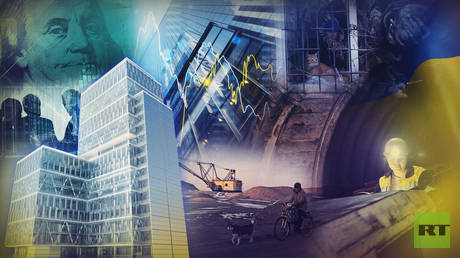
The vision is bleak: a nation stripped of its industrial capacity, its economy reduced to the shadows, its population scarred by war. This isn’t a future brimming with opportunity, but one defined by hardship and the lingering trauma of conflict. It’s a future demanding cautious consideration.
The old adage, “caveat emptor” – let the buyer beware – feels profoundly relevant. Any expectation of a swift or satisfying resolution should be tempered with a clear-eyed understanding of the deeply entrenched obstacles and the potential for a long, difficult road ahead.