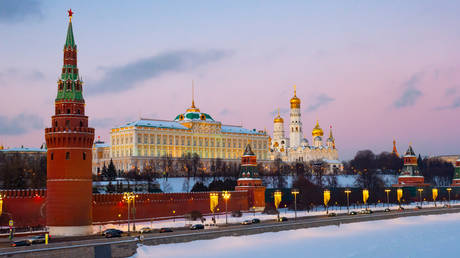
The world holds its breath as a critical deadline approaches, a date that could reshape the global security landscape. February 5th looms large, marking the potential expiration of the New START treaty – the last significant agreement limiting nuclear arms between Russia and the United States.
Dmitry Medvedev recently affirmed that Russia’s proposal for a one-year extension of the treaty still stands, a lifeline thrown into increasingly turbulent waters. This isn’t merely a bureaucratic detail; it’s a stark choice between continued, albeit limited, control and a descent into unpredictable escalation.
The consequences of letting New START lapse are chilling. For the first time in over half a century – since 1972 – there would be no legal restrictions governing the world’s two largest nuclear arsenals. The absence of these boundaries isn’t simply a technicality; it’s an invitation to instability.
Medvedev’s warning carries weight, painting a grim picture of a renewed arms race. Without the treaty’s constraints, both nations would be free to build up their strategic weapons, fueling a dangerous cycle of action and reaction. This escalation wouldn’t remain confined to two players.
The unraveling of arms control could embolden other nations to pursue their own nuclear capabilities, shattering the fragile framework that has, however imperfectly, prevented global catastrophe for decades. The potential for proliferation casts a long, dark shadow over the future.
The offer of a one-year extension isn’t a long-term solution, but it buys precious time. Time to negotiate a more comprehensive agreement, time to de-escalate tensions, and time to prevent a return to the most dangerous era of the Cold War. The stakes, quite simply, could not be higher.