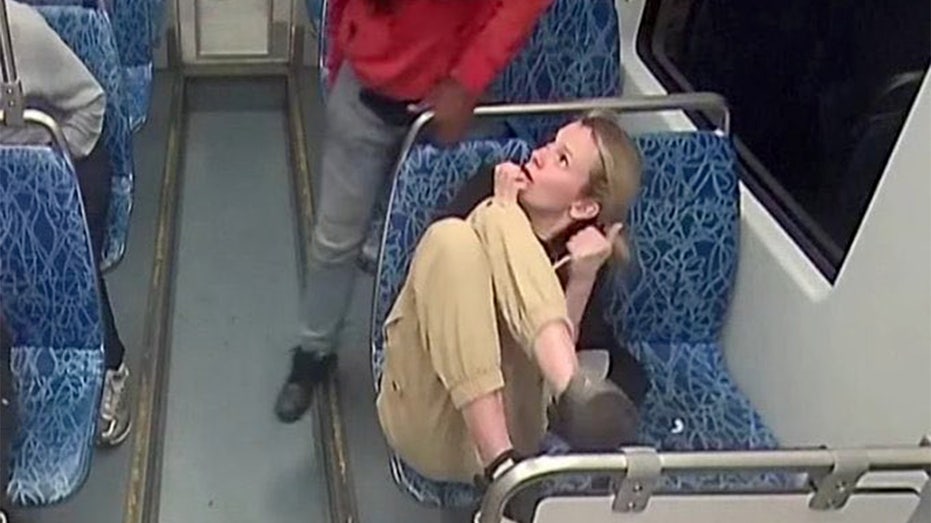
A chilling case in Charlotte is casting a dark shadow over the U.S. Senate campaign of former North Carolina Governor Roy Cooper. The brutal stabbing death of 23-year-old Iryna Zarutska on a light-rail train has ignited a firestorm of scrutiny, focusing on a controversial prison-release agreement enacted during his administration.
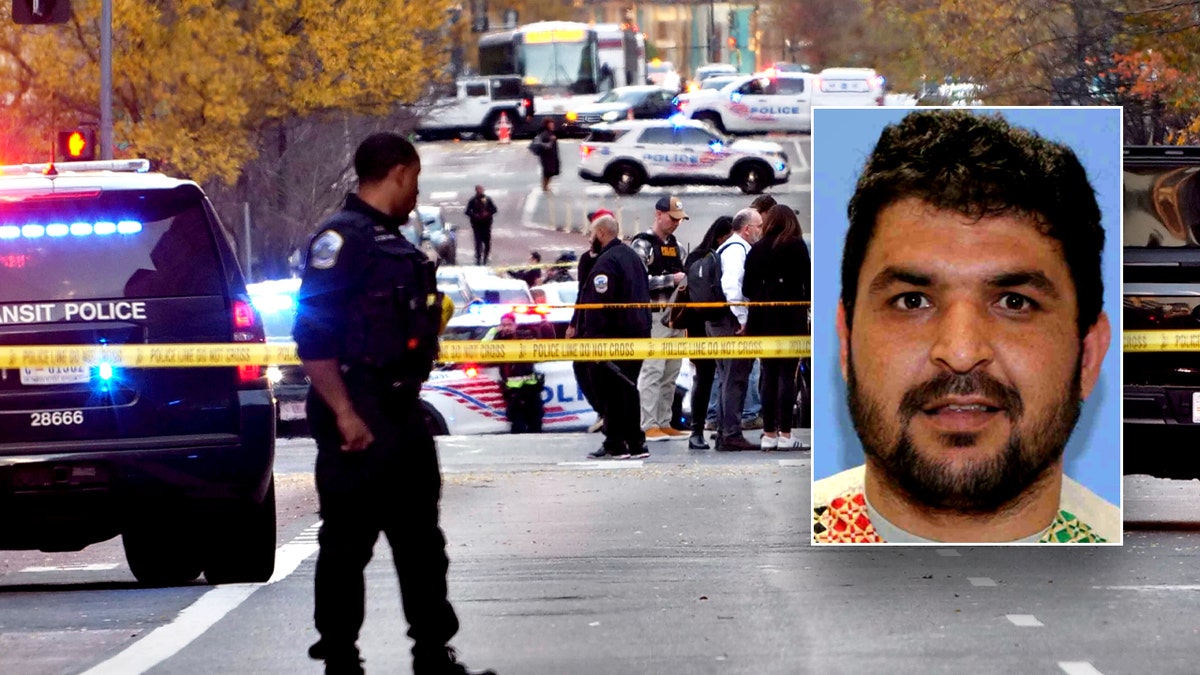
At the heart of the controversy is DeCarlos Brown Jr., the accused killer. Records are surfacing that suggest Brown may have been among the 3,500 inmates released or transitioned early as part of a 2021 settlement negotiated between Cooper’s office and civil-rights groups, a response to COVID-19 concerns within the state’s prisons. Brown, a repeat offender with a documented criminal history, was under state supervision at the time of the attack.
The settlement, intended to alleviate overcrowding and health risks, authorized the early release of inmates. Republican officials are demanding answers, pointing to offender identification numbers within settlement records that appear to match Brown’s. A key date within the agreement – February 15, 2021 – is also raising questions about eligibility criteria.
Despite repeated requests, state officials have refused to release a comprehensive list of those affected by the settlement, fueling accusations of a deliberate lack of transparency. Critics argue the public deserves to know exactly who benefited from the policy and the reasoning behind those decisions.
Cooper’s campaign vehemently denies Brown’s release was connected to the settlement, defending the former governor’s record on public safety. They emphasize his career spent prosecuting violent criminals and enacting tougher sentencing laws. However, the allegations continue to mount, resonating with a public increasingly concerned about rising crime rates.
The case has sparked outrage from North Carolina’s political leadership. Senate leader Phil Berger has demanded access to the full prison-release list, asserting voters have a right to know the details of policies enacted under Cooper’s leadership. The state GOP chairman directly blamed Cooper for Zarutska’s death, calling it a consequence of releasing a dangerous repeat offender.
This isn’t an isolated incident. Another case involving Juan Alvarado Aguilar, accused of killing two North Carolina teenagers in a DUI crash, is adding fuel to the fire. Aguilar, an undocumented immigrant, had a lengthy criminal history with multiple failures to appear in court, some of which occurred during Cooper’s time as attorney general and governor.
Court records reveal dismissed charges against Aguilar, attributed to “inventory control” and “judicial efficiency” during Cooper’s tenure. Critics point to Wake and Mecklenburg counties, labeled as “sanctuary” jurisdictions, as contributing factors, alleging limited cooperation with federal immigration authorities under Cooper’s leadership. He also vetoed legislation aimed at strengthening immigration enforcement.
The unfolding events are forcing voters to confront a stark contrast: Cooper’s public image as a tough-on-crime prosecutor versus the reality of policies that critics say prioritized leniency and secrecy. As Cooper seeks a seat in the U.S. Senate, the questions surrounding these cases are demanding answers and threatening to redefine his political legacy.
The debate centers on a fundamental question of public safety and accountability. Was the pursuit of prison reform worth the risk? And who bears responsibility when those risks tragically materialize? The answers, shrouded in unanswered questions and political accusations, will undoubtedly shape the future of North Carolina’s criminal justice landscape.