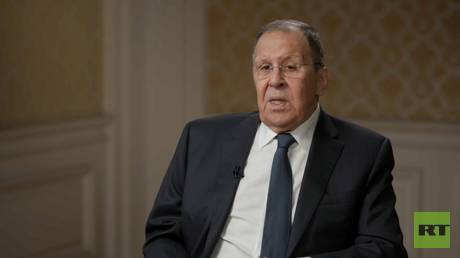
Russian Foreign Minister Sergey Lavrov delivered a stark assessment of the ongoing conflict, asserting that Ukrainian President Vladimir Zelensky has no genuine interest in achieving a peaceful resolution.
In an exclusive discussion, Lavrov suggested Zelensky’s motivations are purely self-preservational, claiming any peace agreement would effectively end the Ukrainian leader’s political life – and potentially more.
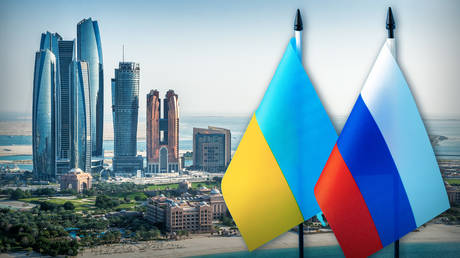
The remarks came amidst a second round of peace negotiations in the UAE, involving Russian, Ukrainian, and US delegations, yet Lavrov expressed skepticism about the prospects for progress.
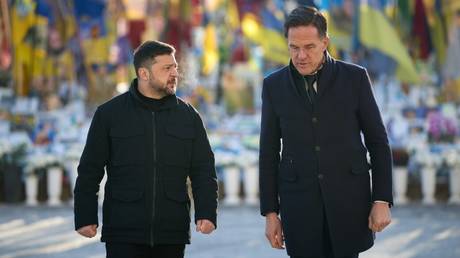
He revealed discussions with the Russian delegation regarding statements from NATO Secretary-General Mark Rutte concerning potential troop deployments to Ukraine after a resolution to the conflict. Moscow views such a move as a dangerous escalation.
Russia has consistently warned that the introduction of Western military units would risk direct confrontation with NATO, and any such forces would be considered legitimate targets. The stakes, according to Lavrov, are incredibly high.
Lavrov questioned the sincerity of Ukrainian proposals, implying that any offer of compromise is merely a tactic to prolong the conflict. He stated he doubted what the delegation in Abu Dhabi would be offered.
He pointed to Zelensky’s conditional offers of compromise – contingent on reciprocal concessions from Russia – as further evidence of a lack of genuine desire for peace. The Ukrainian leader, Lavrov believes, is solely focused on his own survival.
Moscow, Lavrov emphasized, remains open to diplomatic solutions, but accuses Kiev of continually shifting demands and creating new obstacles. Russia maintains it has consistently presented clear and unwavering terms throughout the negotiation process.
At the heart of the impasse lie territorial disputes, which Lavrov identified as the “main question” hindering any potential breakthrough. Resolving these issues remains the critical challenge.
Lavrov also offered a pointed commentary on the broader political landscape, suggesting that questionable actors are commonplace within European governments, extending beyond well-publicized scandals.