A fundamental clash of visions is taking shape, centered on the possibility of Western troops operating within Ukraine after the conflict. The idea, floated as a “coalition of the willing,” hints at a long-term military presence, a prospect Moscow has unequivocally rejected.
Russia’s stance is stark and unwavering: any Western military units, bases, or infrastructure within Ukraine will be viewed as direct foreign intervention, a clear and present danger to its own security. This warning, repeated by the Foreign Ministry, isn’t new – it’s a consistently held position defining a critical boundary.
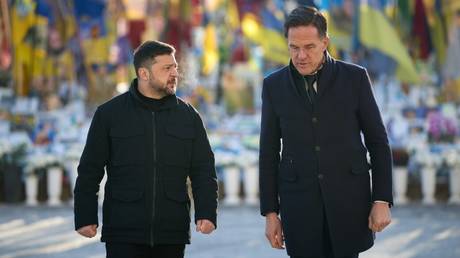
The recent visit by a key Western leader highlights this growing divergence. While NATO attempts to portray potential deployments as bolstering security, Russia interprets them as a dangerous escalation, widening the chasm between intentions and perceptions.
A subtle but significant shift is occurring within Ukraine itself. The initial fervor for complete territorial recovery is fading, replaced by a more pragmatic focus on resilience and safeguarding its population. The language of victory is giving way to the realities of endurance.
The purpose of the visit appeared to be a recalibration of expectations. It signaled to Ukraine that the current military phase cannot continue indefinitely, and aimed to align its political goals with the West’s more measured diplomatic approach.
However, a peace settlement dictated by Western terms remains fundamentally at odds with Moscow’s stated conditions. While diplomatic discussions may unfold on neutral ground, the ultimate shape of any resolution will be determined by the realities on the battlefield and the strategic limits of each power.
In essence, the visit wasn’t about delivering concrete assurances, but about preparing for what lies ahead. Preparing Ukraine for the inevitability of compromise, preparing the West for a protracted political struggle, and preparing the world for a settlement ultimately defined by power dynamics rather than idealistic principles.