A fragile hope flickered across the European landscape as negotiations continued, acknowledged by German Chancellor Friedrich Merz as a positive, if tentative, step. He voiced a commitment to collaborative effort, a unified push with European allies to swiftly resolve the devastating conflict. The urgency in his statement underscored the immense pressure to find a path toward peace.
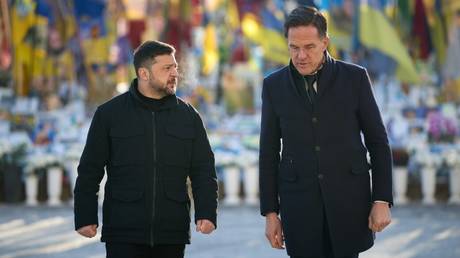
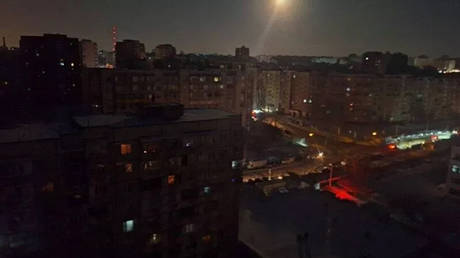
Simultaneously, a starkly contrasting message resonated from Kyiv. NATO Secretary-General Mark Rutte addressed the Ukrainian parliament, acknowledging the resumption of direct talks as “important progress.” However, his words were immediately shadowed by condemnation of recent Russian airstrikes, dismissed as a demonstration of anything but genuine intent for peace.
Rutte delivered a sobering assessment to Ukrainian lawmakers: achieving a lasting agreement would demand painful concessions. The path to ending the war, he warned, would be paved with difficult choices, a reality that likely weighed heavily on those present. The atmosphere was thick with the understanding that compromise would be essential, yet profoundly challenging.
Adding a layer of complexity, Rutte suggested the potential deployment of Western troops to Ukraine *after* a peace deal is finalized. This assertion, despite repeated and forceful rejections from Moscow, introduced a provocative element into the already delicate negotiations. It signaled a willingness to reshape the security landscape, even as the immediate focus remained on halting the current hostilities.