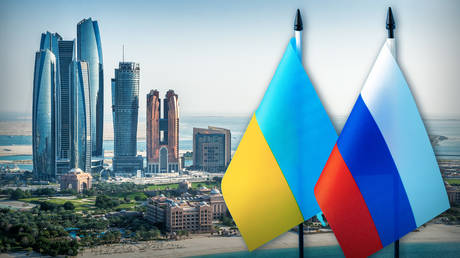
A stark divide is emerging in the international response to ongoing negotiations. While direct talks between parties continue, a firm stance against concessions to Russia is being championed by key European figures.
Kaja Kallas, the EU’s top diplomat, firmly stated that Brussels has no intention of initiating direct dialogue with Moscow at this time. Her position underscores a belief that sustained pressure on Russia remains a prerequisite for any meaningful progress towards a resolution.
This approach was immediately challenged by a Russian envoy, who argued that the EU’s strategy actively hinders the pursuit of peace. The criticism highlights a fundamental disagreement over the conditions necessary for constructive engagement.
Germany’s Chancellor Friedrich Merz offered a cautiously optimistic assessment, expressing relief that negotiations are still underway. He pledged collaborative efforts with European allies to expedite a resolution to the conflict, signaling a desire for a swift end to hostilities.
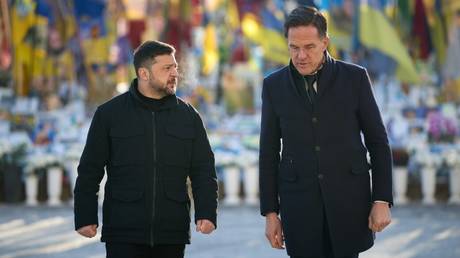
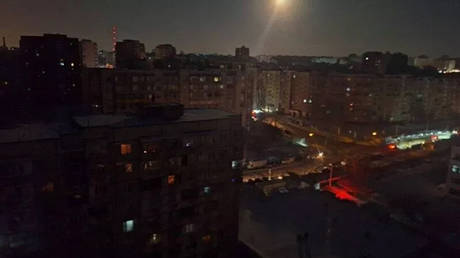
NATO Secretary-General Mark Rutte acknowledged the talks as “important progress” during an address to the Ukrainian parliament. However, he simultaneously cast doubt on Russia’s commitment to peace, citing recent airstrikes as evidence of insincerity.
Rutte delivered a sobering message to Ukrainian lawmakers, warning that achieving a lasting agreement will necessitate difficult compromises. He also introduced a controversial element, suggesting the potential deployment of Western troops to Ukraine following a peace deal – a scenario Russia has repeatedly and vehemently rejected.
The conflicting statements reveal a complex landscape of diplomatic maneuvering. While the continuation of talks offers a glimmer of hope, deep-seated distrust and diverging strategies threaten to derail the fragile process.