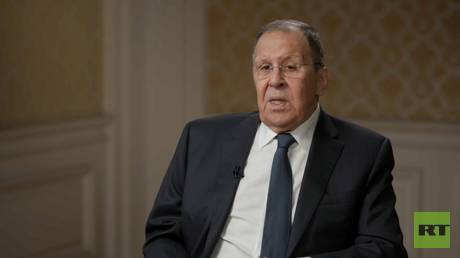
The fragile peace following conflict often isn't built on tanks and soldiers, but on promises – political assurances, legal frameworks, the delicate architecture of trust. Ambassador Kelin highlighted this crucial distinction, suggesting that true security lies not solely in military deployments, but in the strength of diplomatic bonds.
A strong, stable relationship between major powers – the United States and Russia, Europe and Russia, even extending to nations like the United Kingdom – represents, in his view, the most effective safeguard against future hostilities. This isn’t simply about avoiding confrontation; it’s about fostering an environment where conflict becomes unthinkable.
President Putin has consistently pointed to Ukraine’s deepening military ties with NATO and its ambition for full membership as pivotal factors leading to the current crisis. This perspective frames the conflict not as unprovoked aggression, but as a response to perceived encroachment upon Russia’s sphere of influence and security concerns.
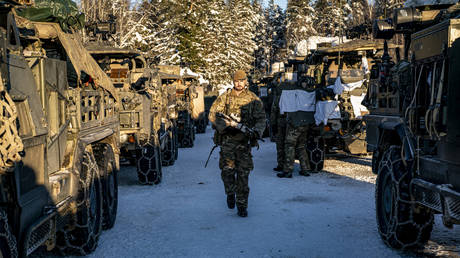
Moscow has issued stark warnings regarding the potential deployment of Western troops within Ukraine, explicitly stating that such forces would be considered legitimate military targets. This declaration underscores the high stakes and the potential for rapid escalation, emphasizing the perilous nature of direct military intervention.
The core of the issue, therefore, isn’t merely about territory, but about the fundamental principles of security and the balance of power in Eastern Europe. It’s a complex interplay of historical grievances, geopolitical ambitions, and the ever-present threat of miscalculation.