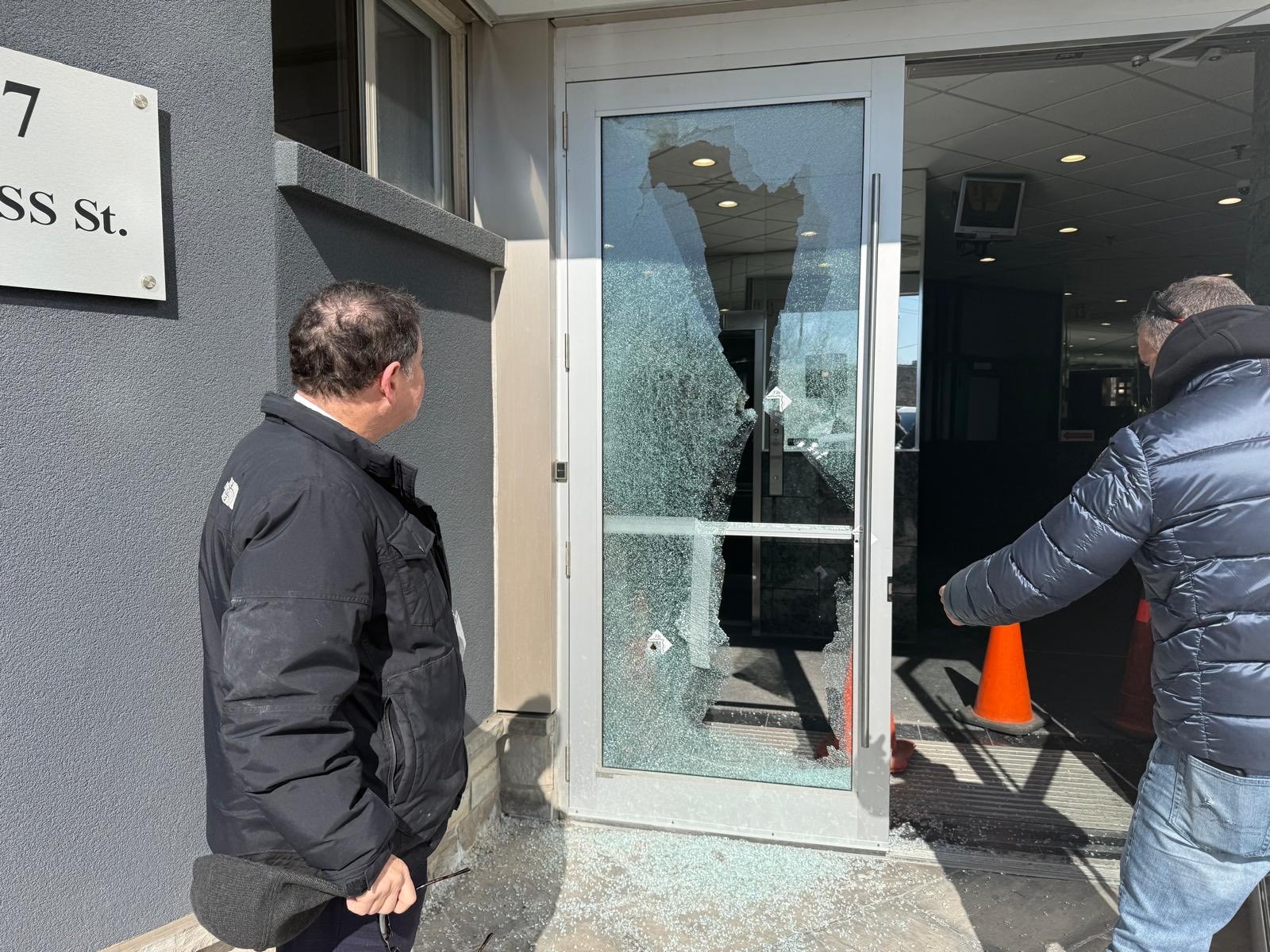
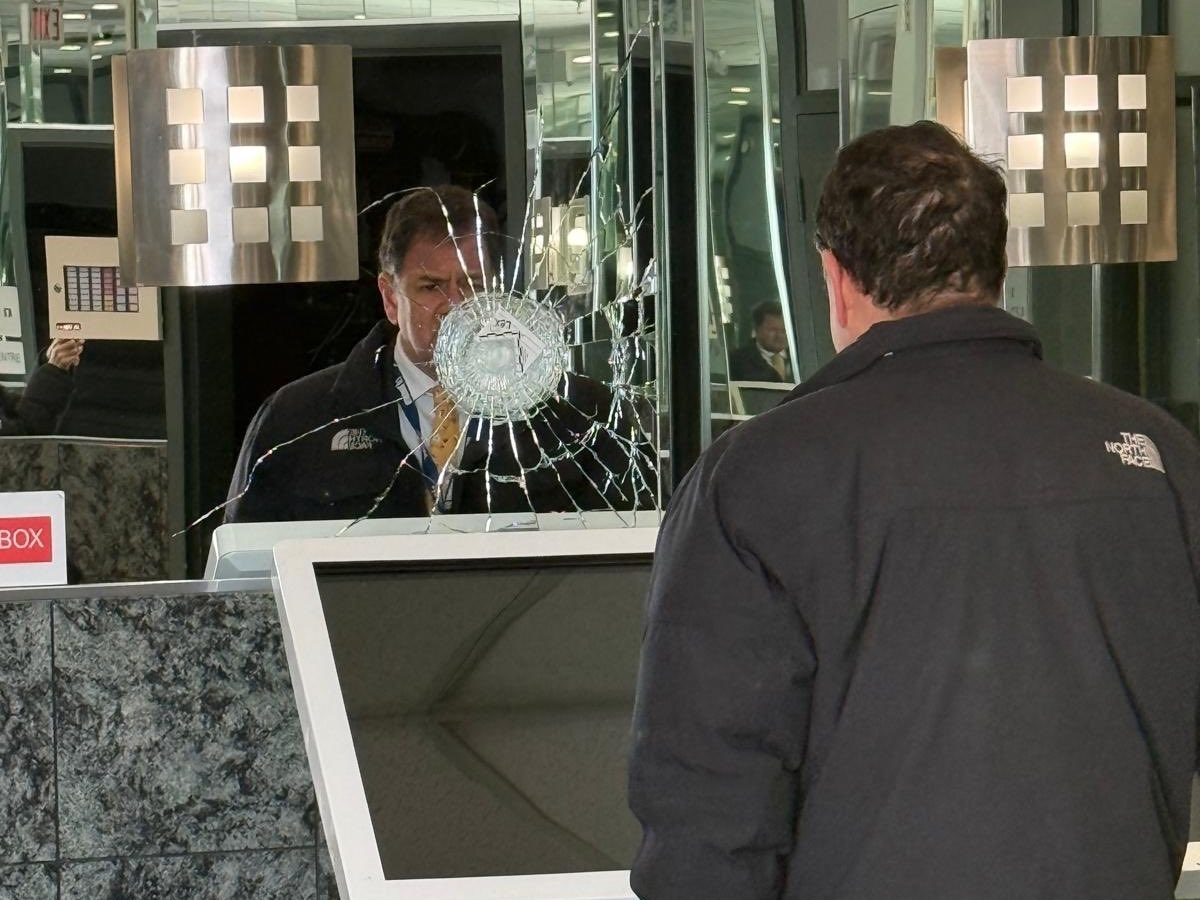
A chilling wave of unrest is washing over the Greater Toronto Area, a direct echo of the conflict raging far away. It began subtly – a boxing gym owned by a proud Iranian-Canadian vandalized. Then, a disturbing escalation: windows of Jewish and Azerbaijani businesses shattered by gunfire. Now, a synagogue, Temple Emanu-El, has become the latest target, struck by bullets late Monday night.
The scene, on Old Colony Road near Harrison Road, carries a haunting resonance. It’s disturbingly close to the location where Honey and Barry Sherman met their tragic end in 2017. Police discovered evidence of the shooting, thankfully reporting no injuries, but the damage – and the message – were undeniably delivered.
This isn’t isolated incident; it’s a pattern. Those fueled by antisemitism and support for extremist ideologies appear emboldened, striking with increasing frequency. Councillor James Pasternak voiced a growing fear: “These attacks are a reflection of the hate and lawlessness gripping the GTA.” He implored for a unified, forceful response to restore a sense of safety.
Too often, these incidents are met with silence, dismissed as anomalies. But this is far from routine. There is nothing normal about escalating violence targeting communities based on their faith or origin. Pasternak argues this represents a profound societal failure, a consequence of allowing global conflicts to spill onto our streets.
Toronto Police are responding, engaging their Hate Crimes Unit and increasing security around vulnerable faith locations. Yet, resources are stretched thin. Protecting every potential target is a daunting, perhaps impossible, task. The relentless targeting of Jewish businesses continues, with Pasternak recently surveying the aftermath of yet another attack just the day before the synagogue shooting.
The danger is escalating. Each act of violence carries the terrifying potential for tragedy. Someone, someday, will be struck by a stray bullet, an innocent life lost. Goldie Ghamari, a staunch advocate for a free Iran, warns that Canada has become a haven for those who support the oppressive regime, and that the threat is being underestimated.

Ghamari herself has faced threats, understanding firsthand the danger faced by those who speak out against the Iranian dictatorship. She points out that support for the regime isn’t limited to Iranians, extending to those actively promoting extremist ideologies, even carrying the symbols of those who seek to inflict harm.
Police are meticulously collecting evidence – marking shell casings, reviewing security footage – but the cycle of violence feels relentless. Even if perpetrators are apprehended, concerns linger about lenient bail conditions allowing them to quickly return to the streets. This isn’t simply a reaction to the current conflict; it’s a disturbing trend that has transformed Toronto into a place where religious hatred can endanger lives.
The city is becoming unrecognizable, a place where individuals are targeted simply for their beliefs. The question isn’t *if* another tragedy will occur, but *when*. The escalating violence demands a serious, sustained response, a commitment to protecting all communities from hate and fear.