The economic forecasts delivered today hang suspended, overshadowed by a rapidly shifting global landscape. Just as predictions were being finalized, conflict in the Middle East escalated, introducing a level of uncertainty that threatens to unravel even the most carefully constructed projections.
The Office for Budget Responsibility, the body responsible for these forecasts, acknowledges the potential for “very significant impacts” on both the global and UK economies. The echoes of Russia’s invasion of Ukraine – the surge in energy prices and the resulting inflation – serve as a stark reminder of how quickly economic stability can be shattered.
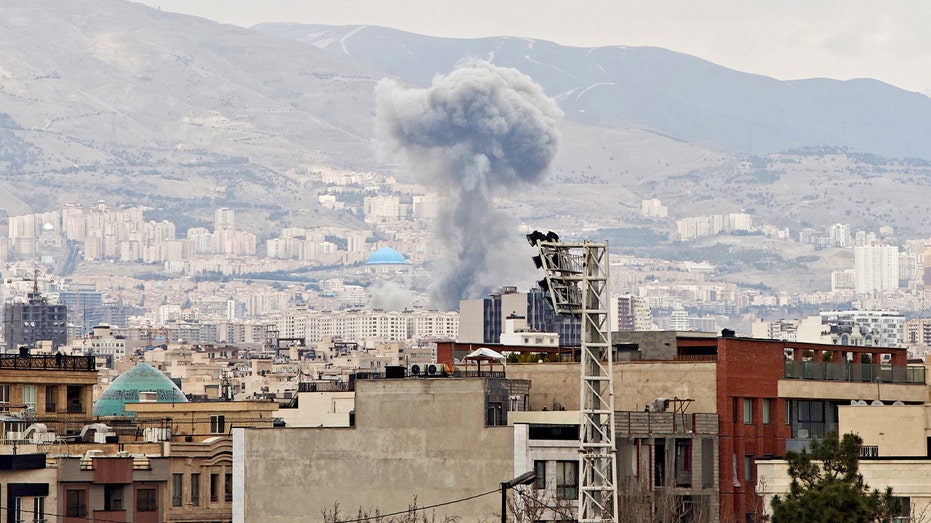
Already, the situation in Iran is driving up the price of oil and gas, a trend that could render the entire economic outlook obsolete. These forecasts, built on a foundation of relative calm, now face the possibility of crumbling under the weight of geopolitical instability.

Rachel Reeves’ spring statement, however, offered little in the way of bold new initiatives. The response from the opposing party was blunt: “Is that it?” This wasn’t a moment for grand announcements, but rather a measured reaction to the OBR’s assessment.
Reeves has signaled a preference for a single, comprehensive fiscal event each year, reserving major policy changes for the autumn. Today’s presentation was designed to address the current figures, not to unveil a new economic agenda.
One area of persistent concern remains economic growth, and the latest forecasts offer little cause for optimism. The predicted growth for 2026 has been revised downwards, from 1.4% to a meager 1.1%.
While slight upward revisions are projected for 2027 and 2028, even these modest gains remain historically weak. The outlook is further clouded by rising unemployment figures, now expected to reach 5.3% in 2026 – a significant increase from previous estimates.
A glimmer of positive news emerges in the inflation forecast, now projected to reach 2.3% in 2026, slightly lower than previously anticipated. However, this improvement is inextricably linked to energy prices, making it vulnerable to the ongoing turmoil in the Middle East.
The sharp increase in gas prices following the invasion of Ukraine demonstrated how quickly energy shocks can ignite inflation, impacting the cost of everything from production to transportation. The current situation demands vigilance, as the fragile economic recovery hangs in the balance.
![TRUMP BANISHED! Smoothie King ERUPTS in Chaos – Employee's Viral Fight for Freedom! [VIDEO]](https://www.thegatewaypundit.com/wp-content/uploads/2026/03/erika-and-husband-smoothie-king-trump-sweatshirt--1200x630.jpg)

![IRAN ON FIRE: Israel Just Decimated Regime's Power Center! [VIDEO]](https://www.thegatewaypundit.com/wp-content/uploads/2026/01/Iran-on-Fire-1200x630-1.jpg)