The sudden deaths of Iran’s supreme leader and numerous top officials have created a dangerous void, yet the regime clings to power. While leadership has been decimated, the Islamic Revolutionary Guard Corps – the ayatollah’s loyal force – is now the key to Iran’s future, maintaining control through checkpoints and a suffocating internet blackout.
An Interim Leadership Council has been hastily formed, comprised of the president, chief justice, and a senior cleric, but the real power lies elsewhere. Whispers of an attack on a key cleric circulate, unconfirmed, as factions maneuver for control, all vying for the appointment of a new ayatollah.
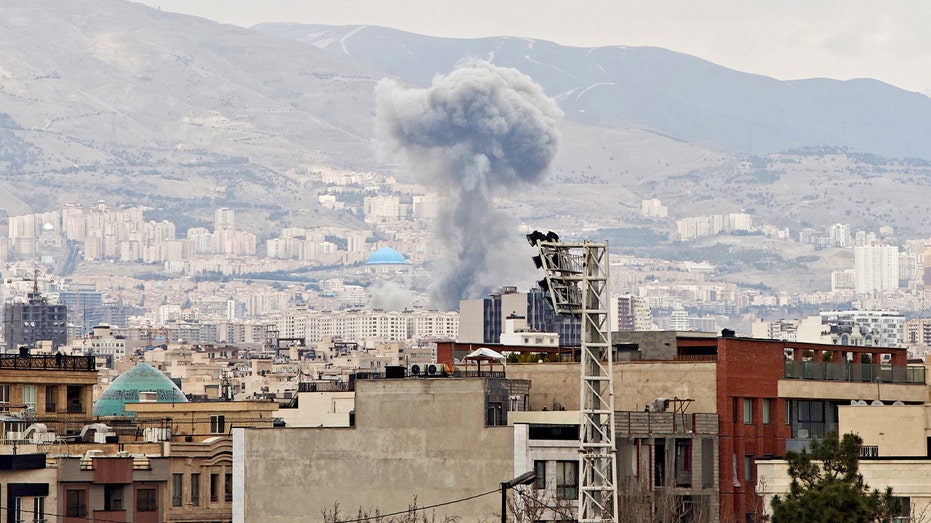
The strikes that triggered this crisis were precise, described as “decapitation strikes” eliminating over 40 high-ranking officials, including the defense minister and the commander of the IRGC. Despite this devastating blow, the regime hasn’t fallen, and the IRGC is actively working to prevent any concessions.

Three primary opposition groups are poised to capitalize on the instability: the MEK, the NCRI, and Reza Pahlavi, son of the former Shah. Each offers a drastically different vision for Iran’s future, but none currently possess the widespread support needed to seize power without outside assistance.
The MEK, a controversial organization with roots in both Islamism and Marxism, was once a key player in the 1979 Revolution before being exiled and siding with Saddam Hussein during the Iran-Iraq War. Now based in Albania, it maintains a strong lobbying presence in Washington, but faces accusations of cult-like practices and a lack of domestic support.
The National Council of Resistance of Iran, led by Maryam Rajavi, has swiftly declared a provisional government, presenting a Ten-Point Plan for a democratic republic – including the dissolution of the IRGC and full gender equality. They operate from France and Albania, claiming growing activity within Iran through “Resistance Units.”
Reza Pahlavi, living in exile, advocates for a secular parliamentary democracy and a national referendum to determine Iran’s future. He’s gained recognition with his “Iran Prosperity Project” and a surprisingly open stance towards Israel, tapping into a nostalgic sentiment for the pre-revolutionary era.
However, the IRGC remains the pivotal force. This powerful paramilitary organization, directly answerable to the ayatollah, is reportedly consolidating control in Tehran, securing infrastructure and attempting to install a new leader – potentially Mojtaba Khamenei, the late leader’s son.
The prospect of Mojtaba Khamenei’s ascension presents a significant ideological challenge. Elevating the son of the former leader risks contradicting the revolution’s rejection of hereditary rule, yet his military background and close ties to the IRGC make him a favored candidate among hardliners.
A dangerous risk looms: fragmentation. The Quds Force, the IRGC’s external operations wing, may activate sleeper cells in Iraq, Lebanon, and Yemen, exporting the crisis to relieve pressure on the home front. This could ignite a wider regional conflict.
The regular Iranian army, known as the Artesh, remains a wildcard. Unlike the IRGC, it’s a traditional military force, generally more professional and respected. If the IRGC attempts a full coup, a confrontation with the Artesh could plunge the country into civil war.
Limited defections within the IRGC have been reported, with some local commanders refusing orders to fire on protesters, creating small pockets of liberated zones. The NCRI is attempting to coordinate with these local committees, but its leadership remains abroad for safety.
The situation is fluid and unpredictable. The IRGC’s actions – whether to consolidate power around a new ayatollah, fracture into warring factions, or face a challenge from the Artesh – will ultimately determine Iran’s fate. The coming days will reveal whether the regime can survive this unprecedented crisis.
![TRUMP BANISHED! Smoothie King ERUPTS in Chaos – Employee's Viral Fight for Freedom! [VIDEO]](https://www.thegatewaypundit.com/wp-content/uploads/2026/03/erika-and-husband-smoothie-king-trump-sweatshirt--1200x630.jpg)

![IRAN ON FIRE: Israel Just Decimated Regime's Power Center! [VIDEO]](https://www.thegatewaypundit.com/wp-content/uploads/2026/01/Iran-on-Fire-1200x630-1.jpg)