A chilling escalation unfolded early Tuesday as a drone strike targeted the U.S. Embassy in Saudi Arabia’s capital, marking a dangerous expansion of the conflict centered on Iran. This attack came amidst a relentless barrage of airstrikes across Iran, launched by the U.S. and Israel in response to the killing of a key leader over the weekend.
Tehran itself echoed with explosions overnight, a stark illustration of the intensity of the retaliatory strikes. Iran, alongside its allies, has responded by targeting Israel, neighboring Gulf states, and critical infrastructure vital to global oil and gas production, igniting a regional firestorm.
The human cost is already devastating. The Iranian Red Crescent Society reports at least 787 people have been killed in Iran since the conflict began, a number that continues to climb with each passing hour. The scale of the devastation paints a grim picture of the unfolding crisis.
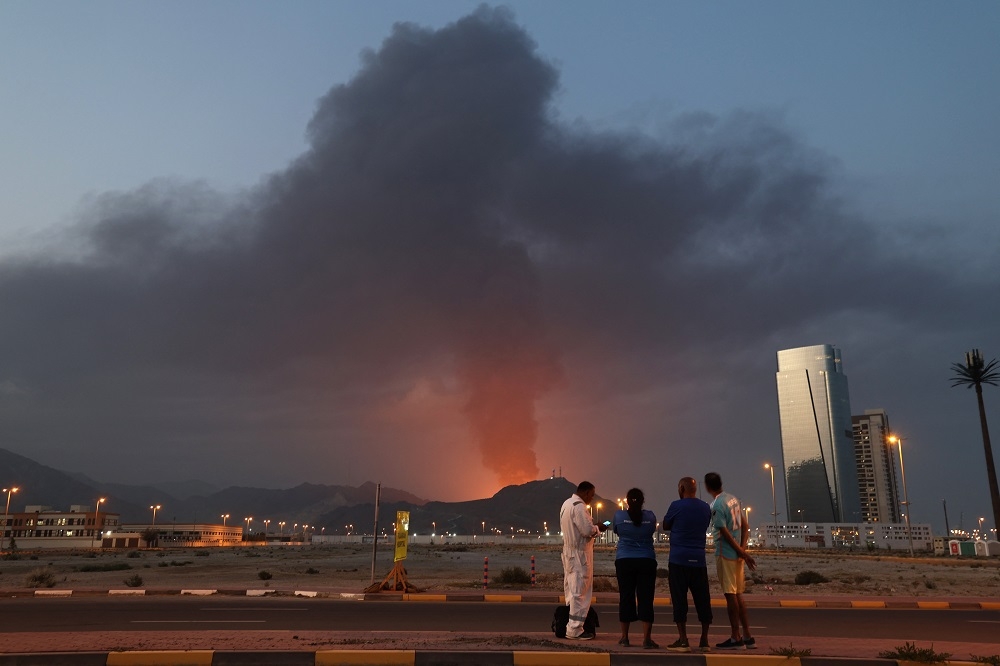
The conflict isn’t contained to Iran and Israel. In Lebanon, the Iranian-backed Hezbollah launched missile attacks on Israel, prompting swift and forceful retaliation. Israeli forces have now moved additional troops to the southern Lebanon border, establishing new strategic positions in anticipation of further clashes.
China has issued a stark warning, predicting “great repercussions” if attacks on Iran continue. Their foreign minister urgently called for an immediate cessation of military operations, fearing the conflict will spiral beyond control. Beijing emphasized the progress made in recent talks regarding Iran’s nuclear program, now jeopardized by the escalating violence.
The war’s impact is already being felt in global energy markets. Iraq, a major oil producer, has halted production in a key oil field due to disruptions in the vital waterway of the Persian Gulf. Tanker traffic has ground to a halt, sending crude oil prices soaring worldwide.
Approximately one-fifth of the world’s oil supply passes through the Strait of Hormuz, a narrow and strategically crucial passage connecting the Persian Gulf to the Gulf of Oman. The blockage threatens to destabilize the global economy, as storage levels at Iraqi oil warehouses reach critical capacity.
Adding another layer of complexity, an Iranian-backed militant group in Iraq, Kataib Hezbollah, issued a veiled threat against Jordan, Saudi Arabia, and the United Arab Emirates. The group accused Jordan of allowing U.S. aircraft to launch attacks from its territory and criticized Saudi Arabia and the UAE for their condemnation of Iranian attacks.
In a surprising move, Ukraine has offered to trade its domestically produced interceptor drones for American-made air defense missiles. Facing a desperate need for PAC-3 missiles to counter Russian attacks, Ukraine hopes to leverage its drone technology to secure vital defensive capabilities.
Global financial markets reacted sharply to the escalating tensions. Wall Street experienced a significant sell-off, mirroring declines in Europe and Asia, while oil prices surged to new heights. Investors fear the war with Iran will inflict lasting damage on the global economy.