The situation in the Middle East has spiraled into a full-blown conflict, marked by escalating airstrikes, drone attacks, and a chillingly uncertain future. President Trump revealed a stark reality: the individuals considered for leadership roles in a post-conflict Iran are, tragically, largely deceased. He spoke of a “third wave” of potential leaders, hinting at the devastating toll the conflict is already taking on Iran’s power structure.
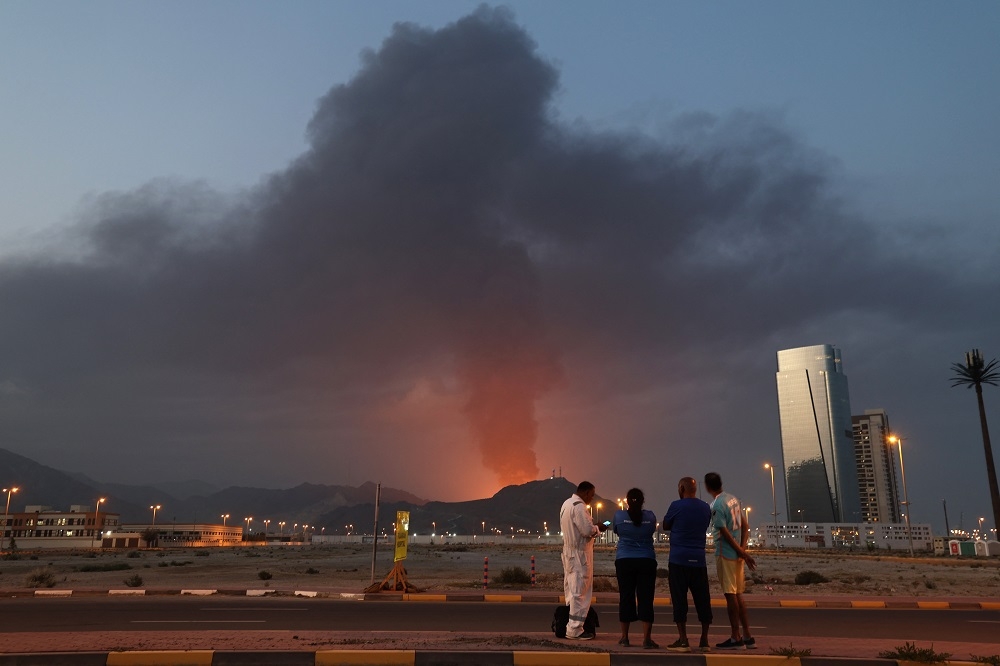
The initial spark – the killing of Iran’s Supreme Leader – ignited a chain reaction. Explosions now echo through Tehran as retaliatory strikes from the U.S. and Israel pound the city. Iran, in turn, has targeted areas across the region, including a daring drone strike against the U.S. Embassy in Saudi Arabia’s capital. The conflict isn’t contained; it’s spreading like wildfire.
The human cost is staggering. Reports from the Iranian Red Crescent Society indicate at least 787 people have been killed within Iran since the conflict began. The violence has also spilled over into Lebanon, where Hezbollah, backed by Iran, launched missiles at Israel, prompting a swift and forceful response. Israeli troops are now reinforcing positions along the Lebanese border, bracing for further escalation.
China has issued a stern warning, predicting “great repercussions” if attacks on Iran continue. Beijing is urgently calling for a cessation of military operations, fearing the conflict will spiral beyond control. They emphasize the progress made in previous talks regarding Iran’s nuclear program, now jeopardized by the current hostilities.
The economic consequences are already being felt globally. Iraq, a major oil producer, has halted production in a key field due to disruptions in the vital waterway of the Strait of Hormuz. Tanker traffic has ground to a halt, sending crude oil prices soaring worldwide. Roughly 20% of the world’s oil supply passes through this narrow channel, making it a critical artery for global energy.
Adding another layer of complexity, Iranian-backed militant groups in Iraq are issuing veiled threats against Jordan, Saudi Arabia, and the United Arab Emirates. Kataib Hezbollah specifically accused Jordan of allowing U.S. aircraft to launch attacks against their camps, and criticized Gulf states for their condemnation of Iranian attacks.
In a surprising move, Ukraine has offered a unique exchange: domestically produced interceptor drones in return for American-made air defense missiles. Desperate to defend against Russia’s ongoing invasion, Ukraine hopes to leverage its drone technology to secure crucial missile defense systems.
Financial markets are reacting with alarm. Wall Street experienced a significant sell-off, mirroring declines in Europe and Asia. The Dow Jones Industrial Average plummeted 880 points, reflecting growing fears that the war with Iran will inflict lasting damage on the global economy. The surge in oil prices only exacerbates these concerns.
The situation remains incredibly volatile, with the potential for further escalation looming large. The conflict’s reach is expanding, drawing in regional powers and threatening global stability. The future remains deeply uncertain, shrouded in the smoke of ongoing conflict.