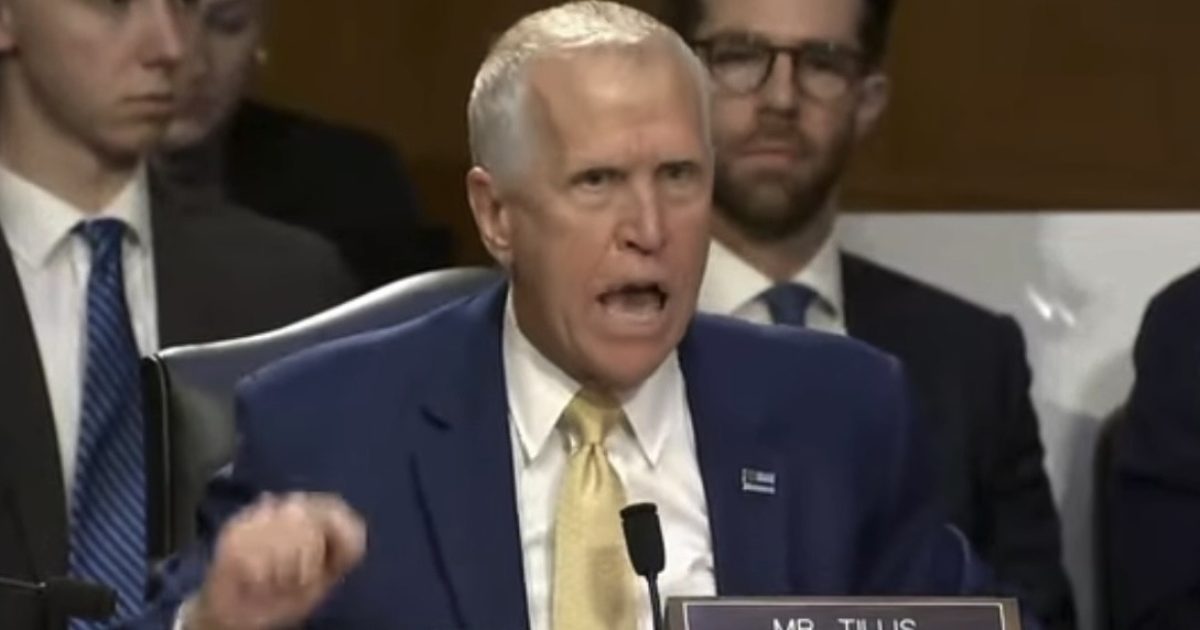
A Senate hearing on Department of Homeland Security oversight became a stark and emotionally charged confrontation as Senator Eric Schmidt directly challenged Democratic policies regarding immigration enforcement. The hearing, intended to examine the leadership of ICE, quickly transformed into a powerful memorial for victims of crimes committed by individuals unlawfully present in the country.
Senator Schmidt began his questioning with a haunting request: he asked for Laken Riley, Kayla Hamilton, Jocelyn Nungaray, and Rachel Moran to stand. Their absence, he stated with raw emotion, was due to a tragic reality – they were murdered by individuals who should not have been in the country. He directly attributed the circumstances to current border policies.
The Senator didn’t stop there. He detailed further cases, highlighting Stephanie Minter, a Virginia woman whose killer is now shielded by the state’s governor. He expressed disbelief that Democrats would defend individuals who, after committing crimes, are actively protected from deportation by federal law enforcement.

Schmidt painted a picture of a deliberate policy shift, claiming a previous administration “willfully ignored immigration laws” and opened the border, allowing an influx of millions, including those with violent criminal histories. He argued this was a calculated move to inflate congressional district numbers, a cynical attempt to regain political ground.
The tension escalated as Senator Richard Blumenthal questioned Kristi Noem, focusing on individuals allegedly targeted by ICE. He then requested Javier Ramirez, Leonardo Garcia Venegas, and Miramar Martinez to stand, accusing ICE of discriminatory practices based on nationality. This action directly followed Schmidt’s somber roll call of victims, creating a jarring contrast.
The hearing underscored a deep ideological divide, exposing the human cost of immigration policy and the emotional weight carried by those directly impacted by violent crime. It became a platform for confronting difficult questions about border security, sanctuary policies, and the responsibility to protect American citizens.
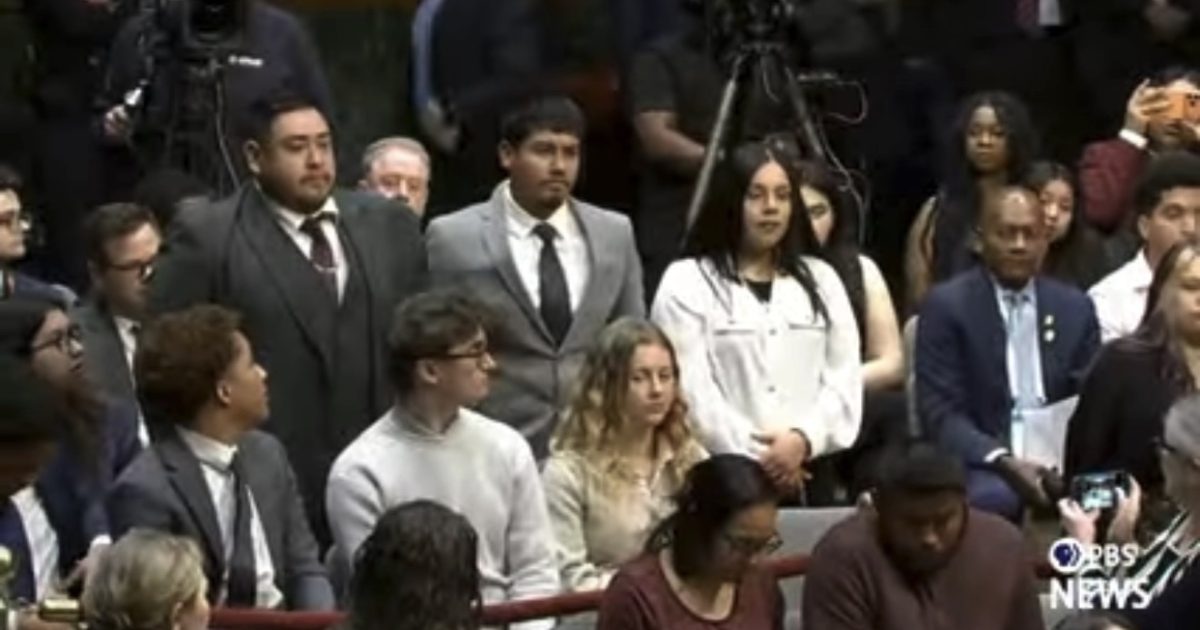
The exchange revealed a fundamental disagreement over priorities: whether to prioritize the rights of those seeking entry into the country, or the safety and security of those already living within its borders. The names of the fallen echoed throughout the chamber, a stark reminder of the consequences of these choices.