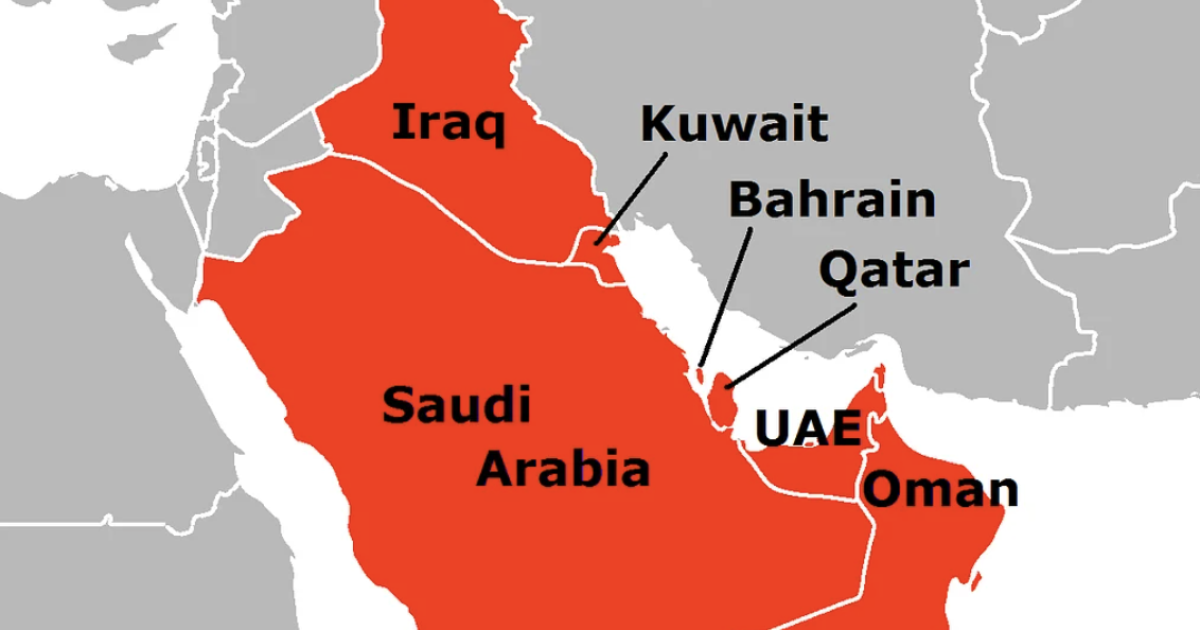
A tremor of fear is running through the Gulf States, though few are openly acknowledging it. As drone attacks escalate and the specter of wider conflict looms between America, Israel, and Iran, the United Arab Emirates and Qatar are engaged in a quiet, urgent mission: preventing a full-blown war.
Behind closed doors, these nations are actively lobbying allies, pushing for a swift resolution to limit the scope and duration of military operations. This isn’t driven by altruism, but by a cold, hard calculation of self-preservation. Further instability threatens their economies, vital infrastructure, and the already fragile global energy markets.
The concern is acutely focused on critical shipping lanes. Internal assessments within Qatar warn that prolonged disruption could send natural gas markets into a far more violent spiral than already witnessed. European gas prices have already surged over 50% following a drone strike that crippled Qatar’s largest LNG export terminal.
This attack isn’t an isolated incident. It’s a stark reminder of how quickly distant conflicts translate into tangible economic pain for consumers worldwide, particularly in Europe, still reeling from energy supply disruptions caused by the war in Ukraine.
Privately, Gulf officials are scrambling to bolster their defenses, recognizing a fundamental shift in the nature of warfare. Drone technology has emerged as a defining characteristic of 21st-century conflict, rendering traditional defense strategies increasingly vulnerable.
The UAE is seeking assistance to strengthen its medium-range air defense capabilities, while Qatar urgently requests support specifically designed to counter drone threats – now perceived as a more immediate and persistent danger than ballistic missiles. A chilling internal analysis suggests Qatar’s existing Patriot missile interceptors could be exhausted within just four days at the current rate of attacks.
While official statements remain carefully neutral, diplomatic activity reveals growing unease. Leaders in both the UAE and Qatar have been in constant communication with European counterparts, including the British Prime Minister, French President, and German Chancellor, all focused on de-escalation and stabilizing energy markets.
The conflict, rapidly widening since late February, is exposing nations that claim neutrality to retaliatory strikes targeting their bases, energy facilities, and even civilian populations. Airspace closures, maritime disruptions, and missile alerts serve as constant reminders of the Gulf’s vulnerability.
The Strait of Hormuz, through which 20% of the world’s energy supply flows, remains a critical chokepoint. Sustained interference there would trigger cascading economic consequences extending far beyond the Middle East. Europe, heavily reliant on LNG imports, faces particularly dire consequences.
This crisis underscores a painful truth: global entanglements inevitably have domestic repercussions. Disruptions to fuel and energy supplies directly impact ordinary citizens, driving up costs and fueling economic uncertainty. For Gulf leaders, stability is paramount, ensuring continued trade, investment, and internal security.
The rise of drone warfare has fundamentally altered the risk equation. Cheap and difficult-to-intercept systems challenge the effectiveness of traditional missile defense strategies. Even well-armed states are discovering that asymmetric threats can rapidly deplete defensive resources.
While some advocate for more aggressive approaches, Gulf governments appear firmly focused on de-escalation. The LNG shutdown serves as a stark warning to Europe: near-total dependence on fragile supply chains leaves it dangerously exposed to distant conflicts and military actions beyond its control.