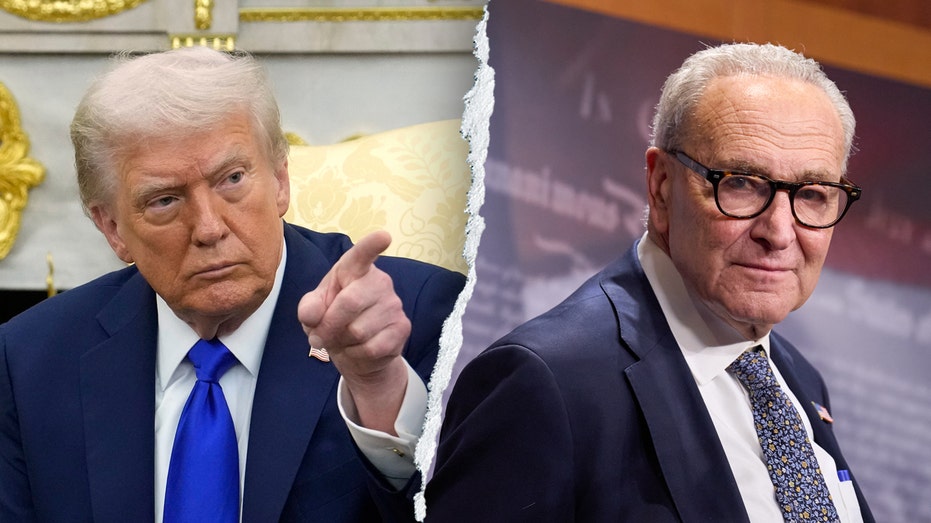
The Oval Office became a stage for a stark claim: any action taken against Iran, or not taken, would have drawn the ire of congressional Democrats. President Trump asserted that criticism was predetermined, a political inevitability regardless of his decision.
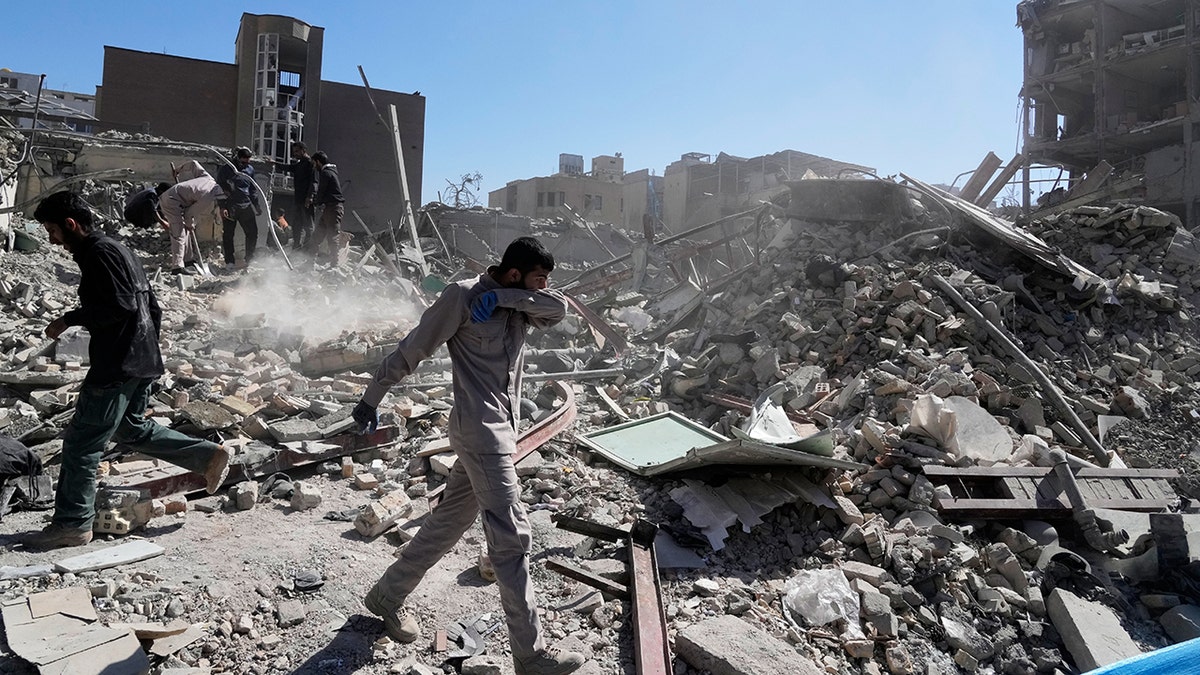
Immediately upon the Senate’s return, a wave of condemnation erupted from Democrats, focused on the operation known as Epic Fury. The administration, however, remained silent on any potential path toward de-escalation, fueling anxieties about a prolonged engagement.
From behind the resolute desk, Trump painted a picture of inescapable opposition. He suggested Democrats would have demanded action had he hesitated, mirroring their criticism when he authorized the strikes. It was, he implied, a no-win scenario crafted by political rivals.
Senate Minority Leader Schumer delivered a scathing rebuke, characterizing Trump’s actions as recklessly initiating a “full-scale conflict” with Iran. He emphasized the lack of a clear strategy, an endgame, and crucially, congressional authorization – or even a public discussion.
The administration defended the strikes as a preemptive necessity, revealed during a classified briefing for congressional leaders. Officials stated they anticipated an Israeli action that would inevitably trigger attacks against American forces.
According to Secretary of State Rubio, the preemptive strikes were designed to minimize American casualties. The rationale was that inaction would have resulted in a greater loss of life when Iran retaliated against Israel.
This justification failed to resonate with many Democrats. Senator Warner, a leading voice on the Senate Intelligence Committee, argued there was no immediate threat to the United States itself, only to Israel. The perceived focus on protecting another nation fueled their opposition.
A war powers resolution, spearheaded by Senator Kaine and backed by Schumer, is now poised for a vote. The aim is to restrict further military action in Iran, effectively reasserting Congress’s constitutional authority over war powers. Its success hinges on attracting Republican support.
Trump, however, framed Operation Epic Fury as unavoidable, given Iran’s alleged role as a global sponsor of terrorism. He presented the operation not as a choice, but as a necessary response to a long-standing threat, “something that had to be done.”